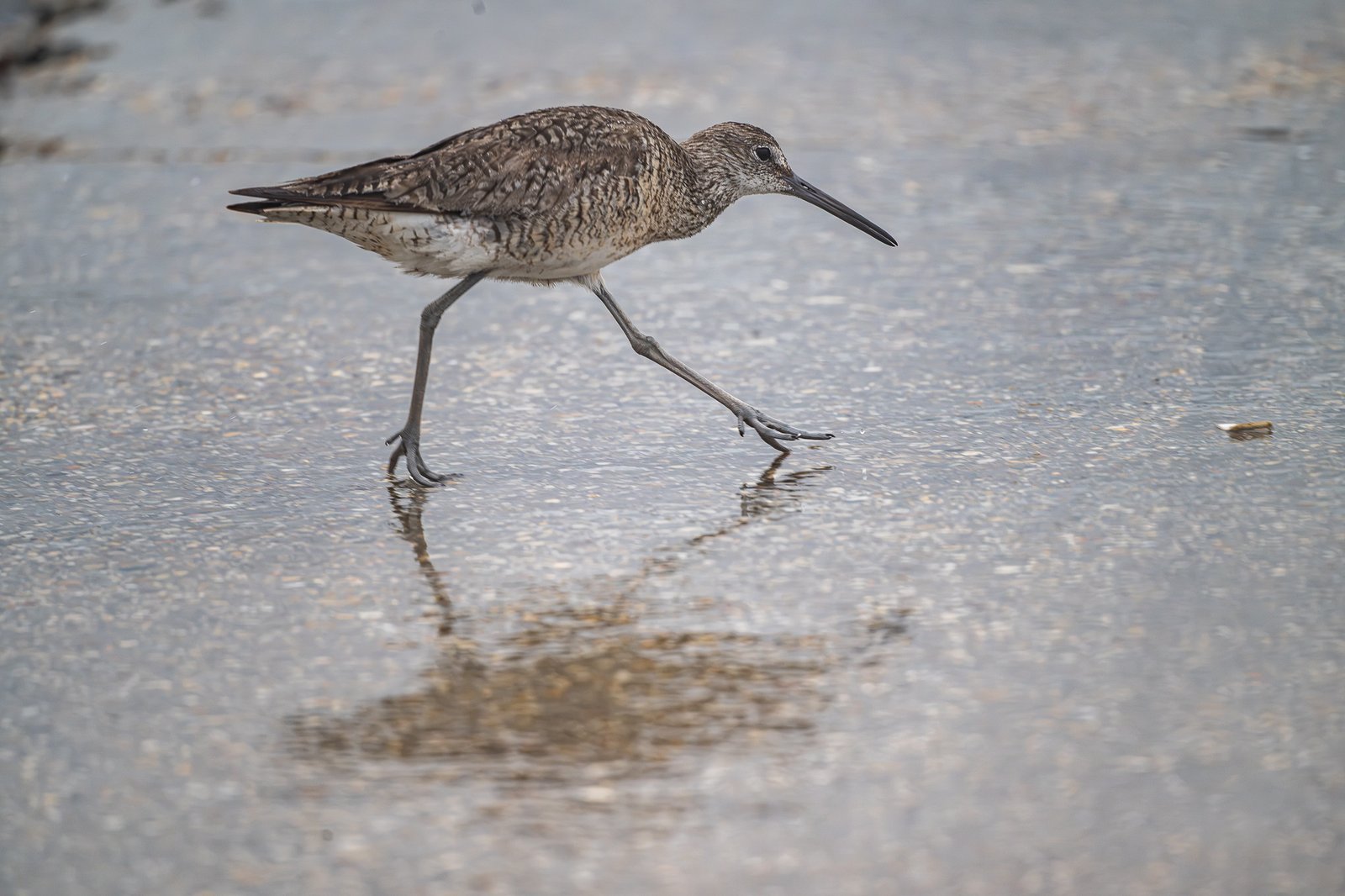
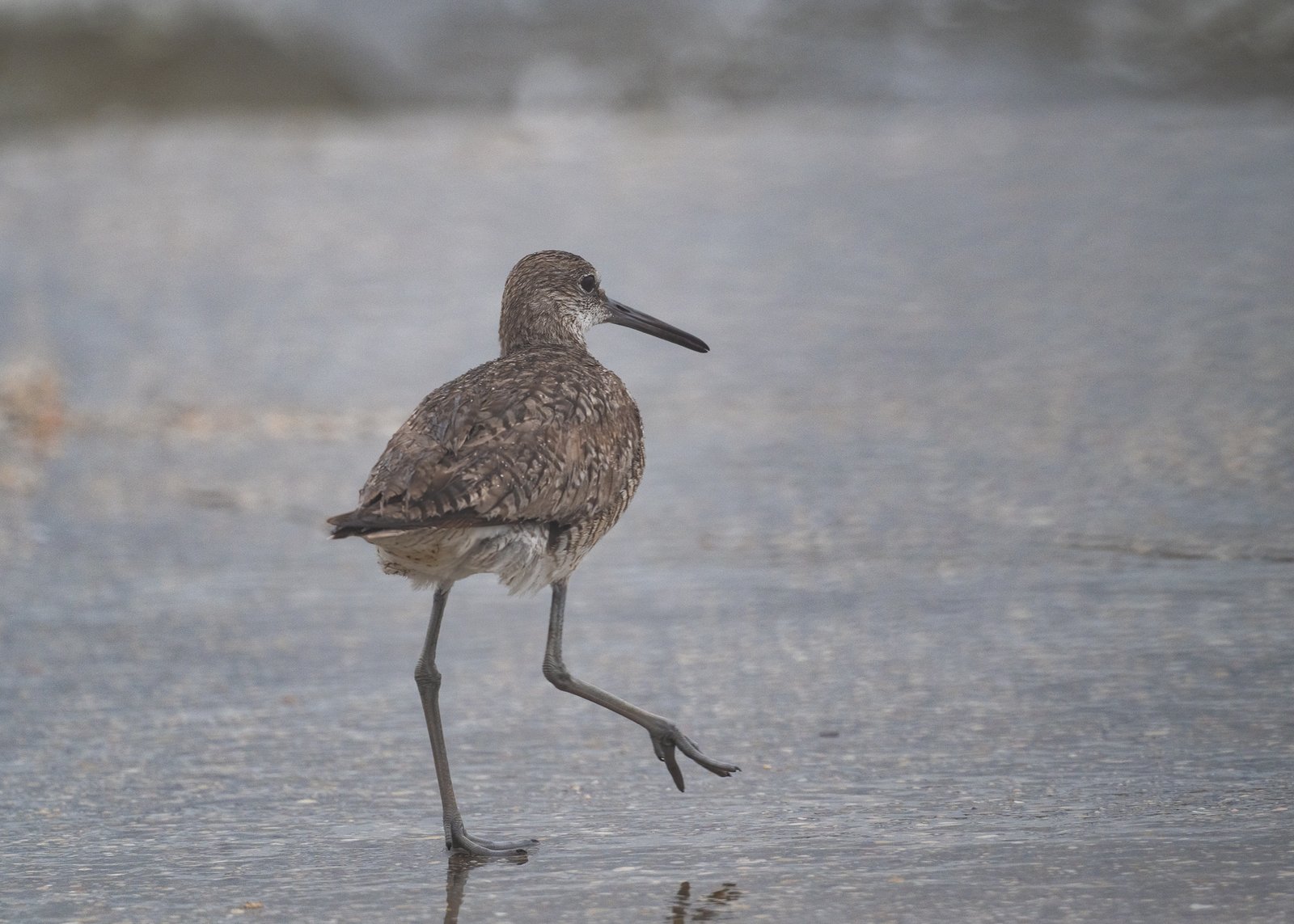
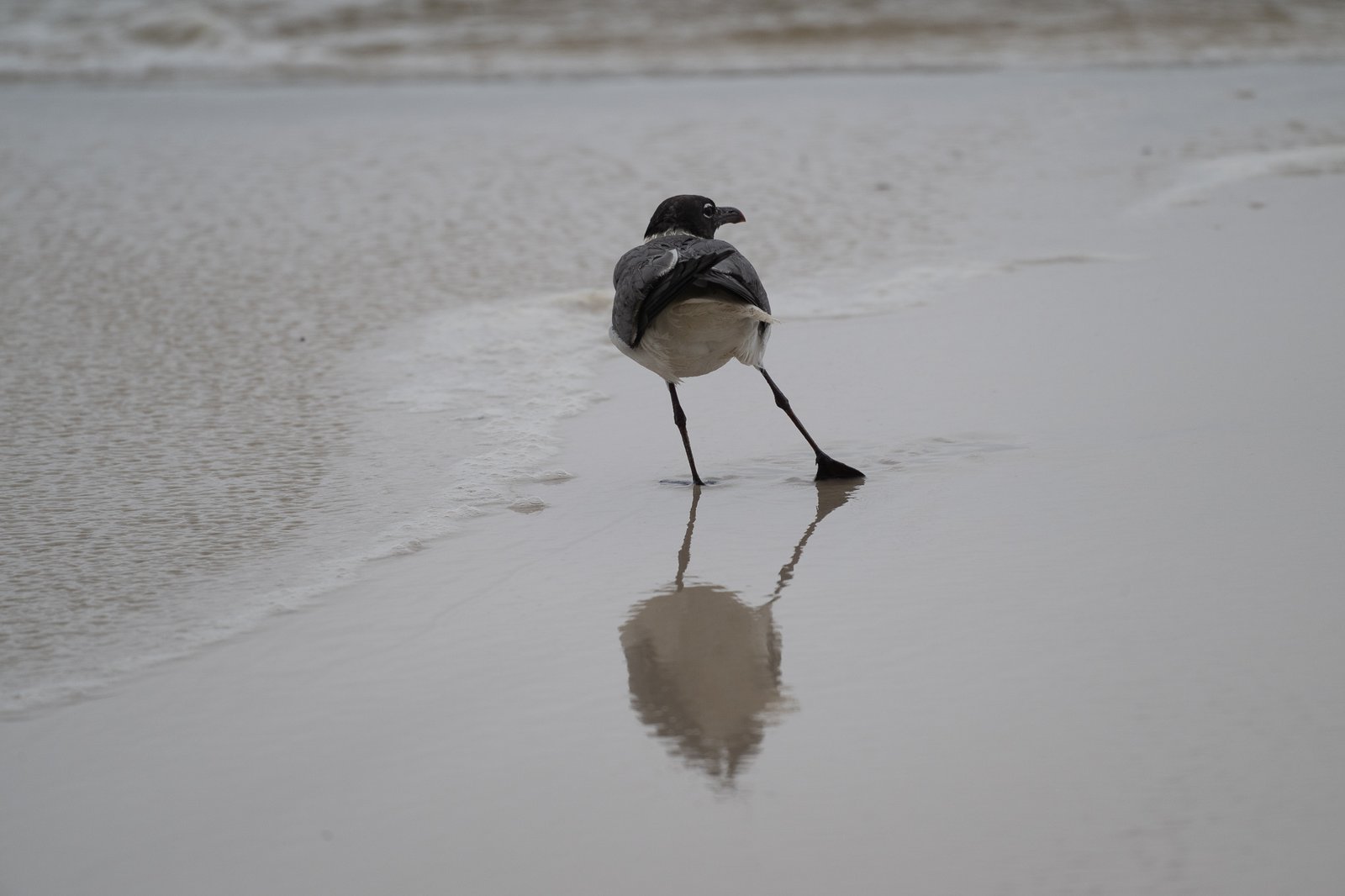
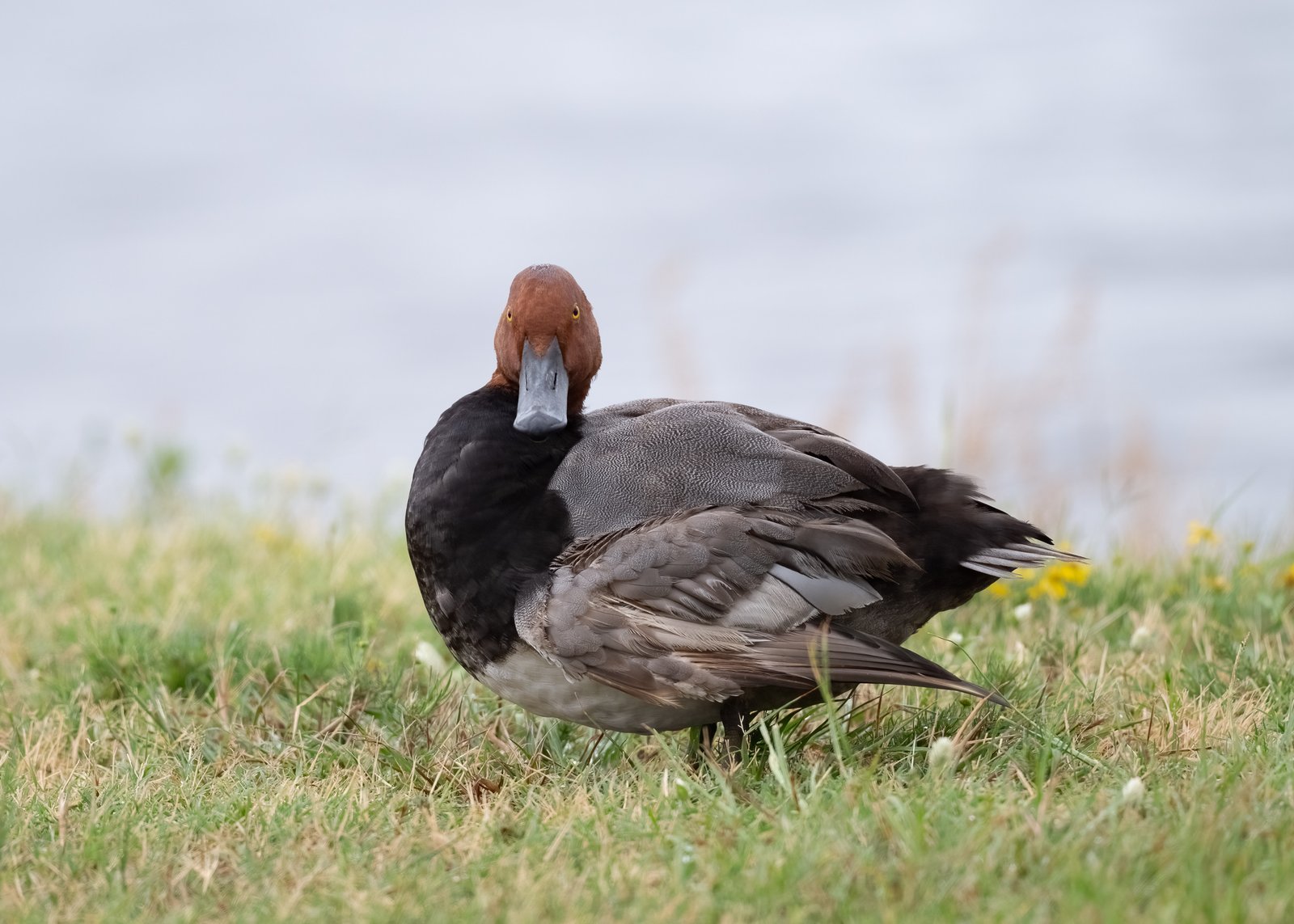
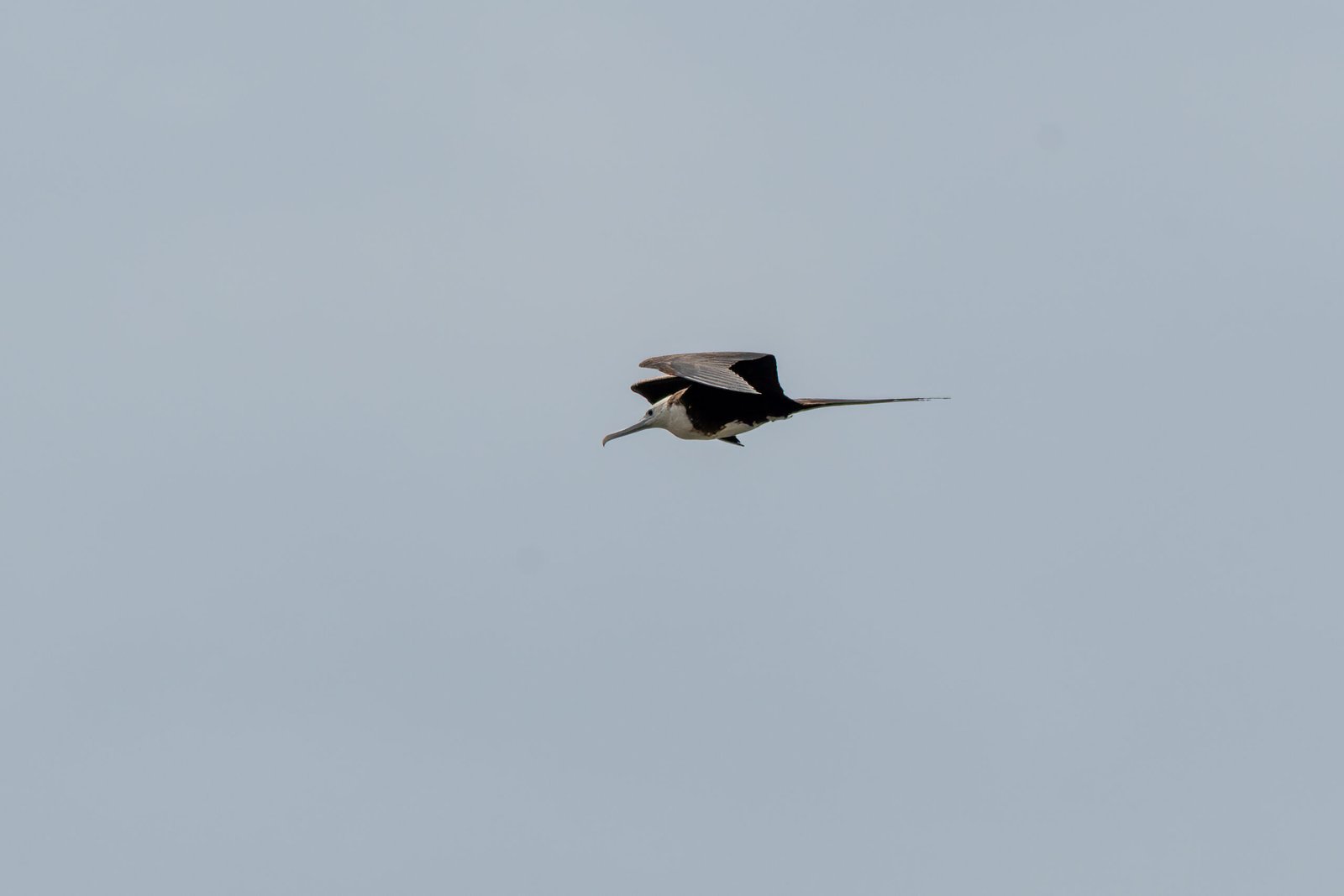
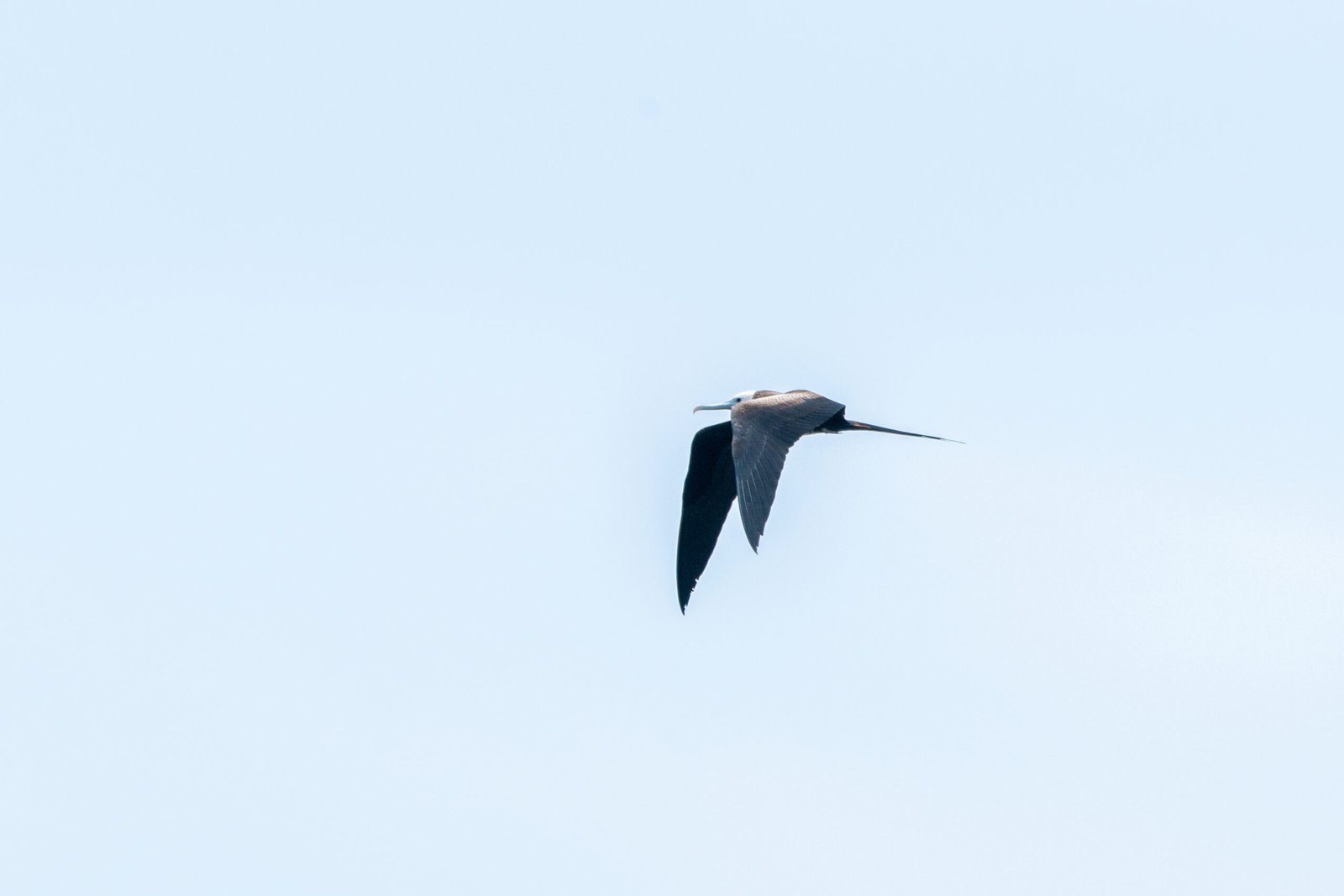
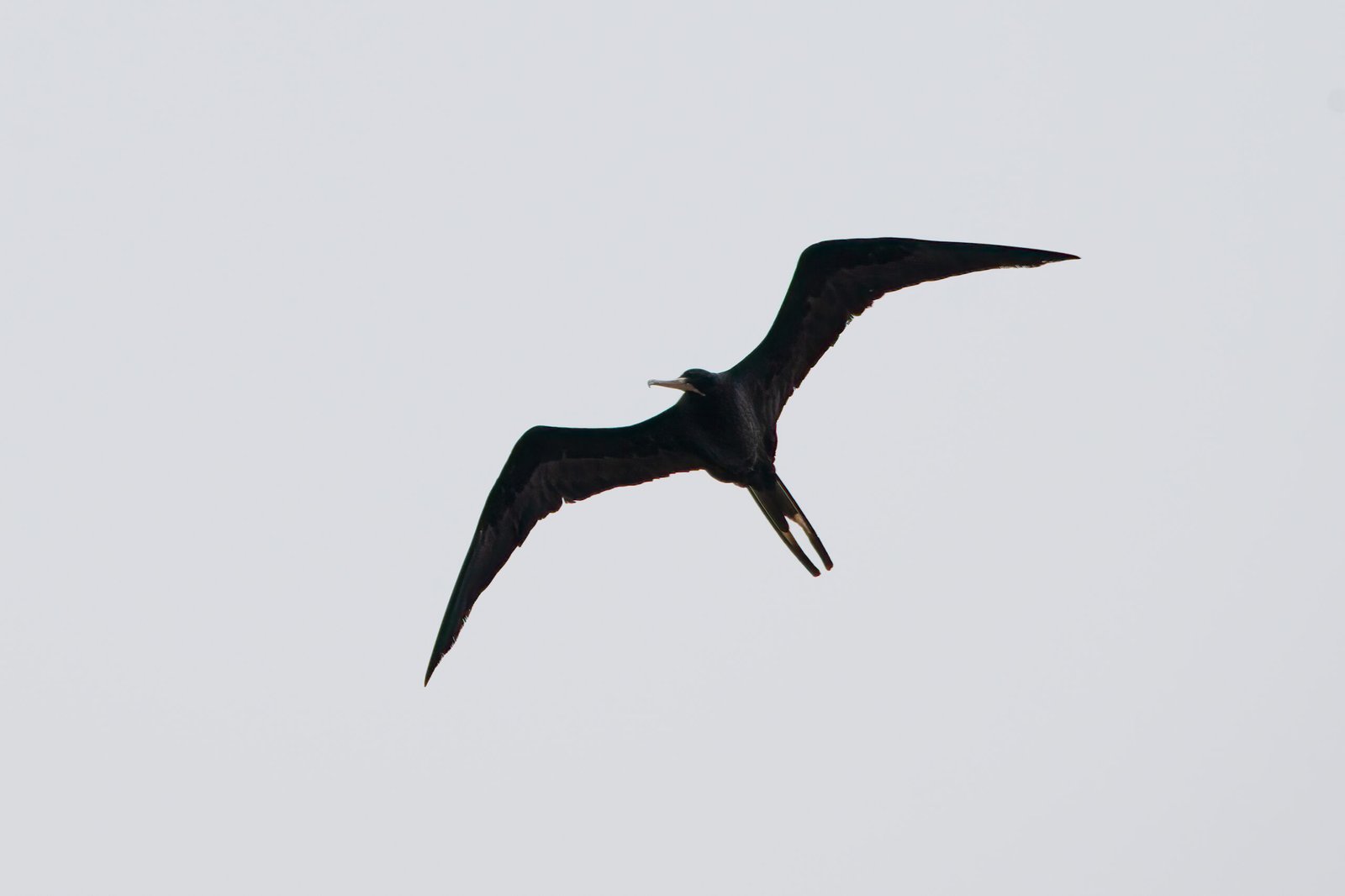
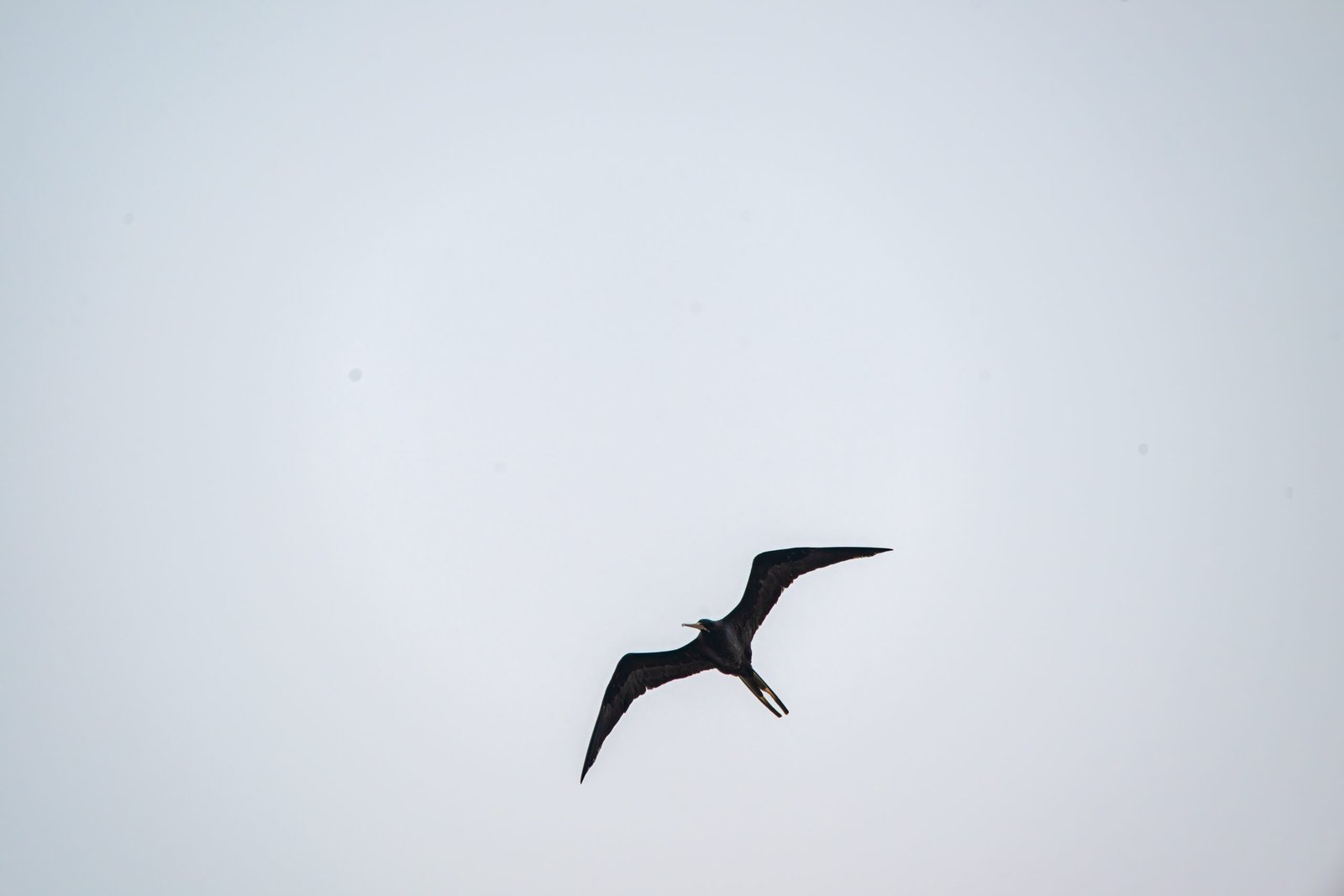
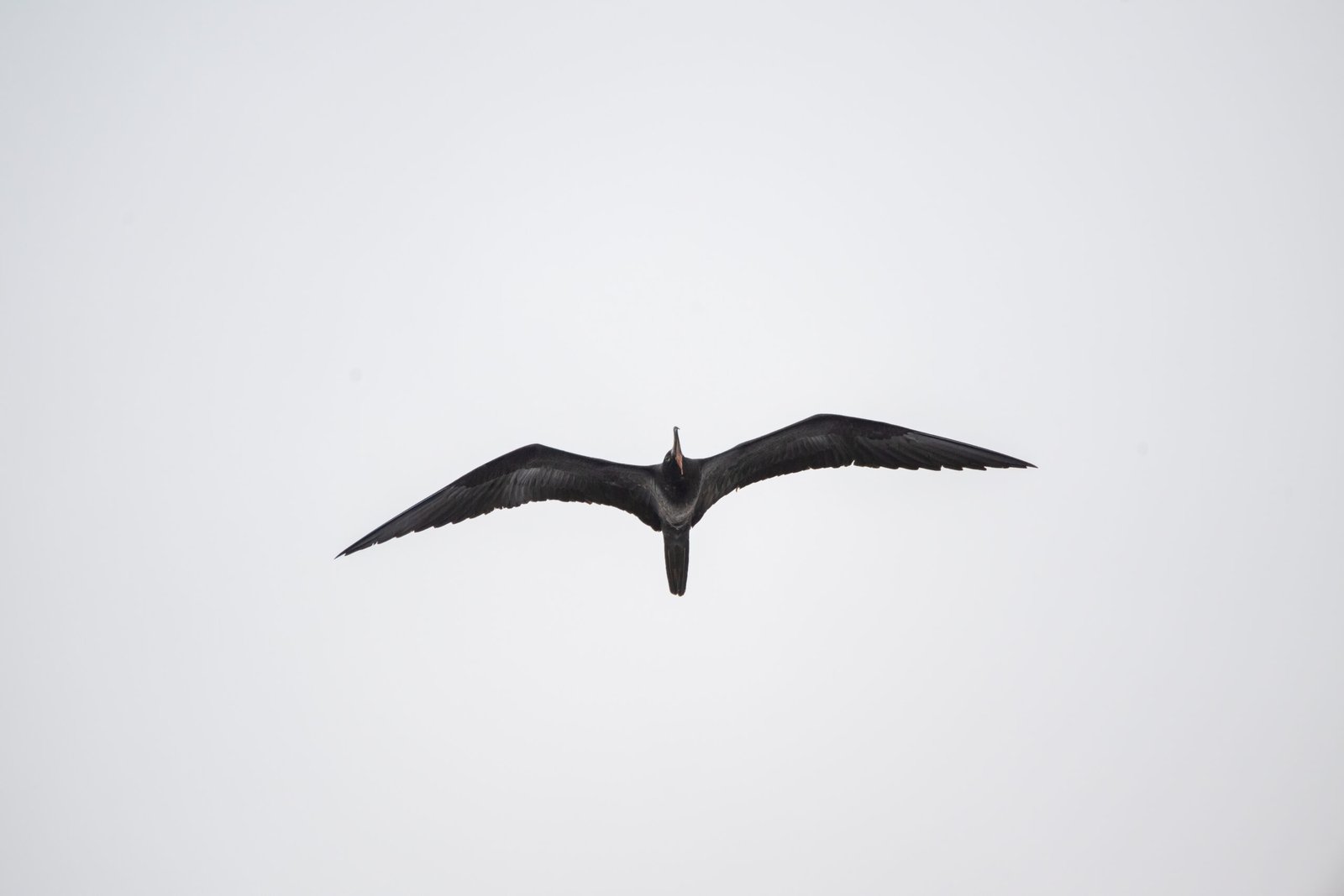
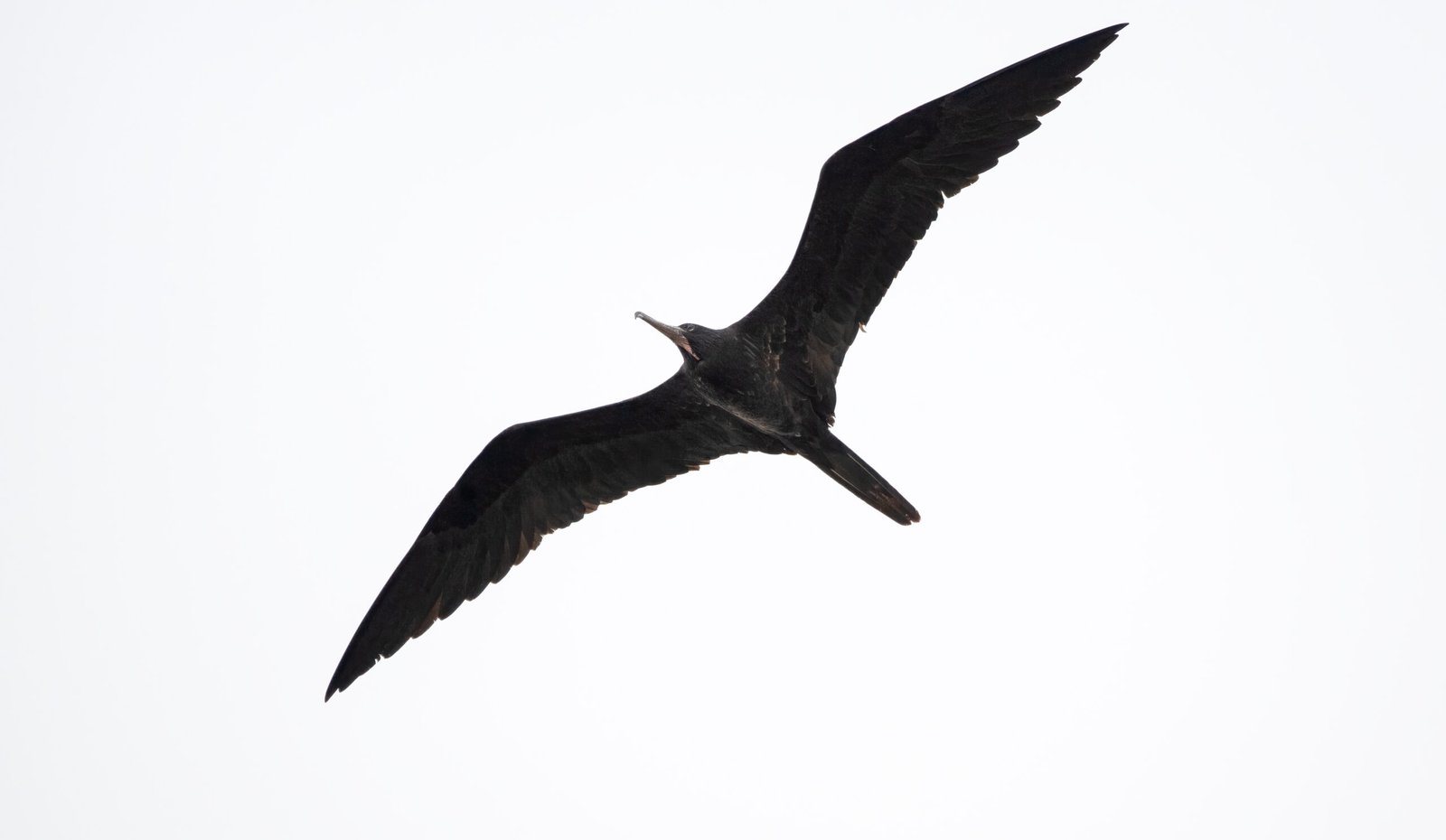
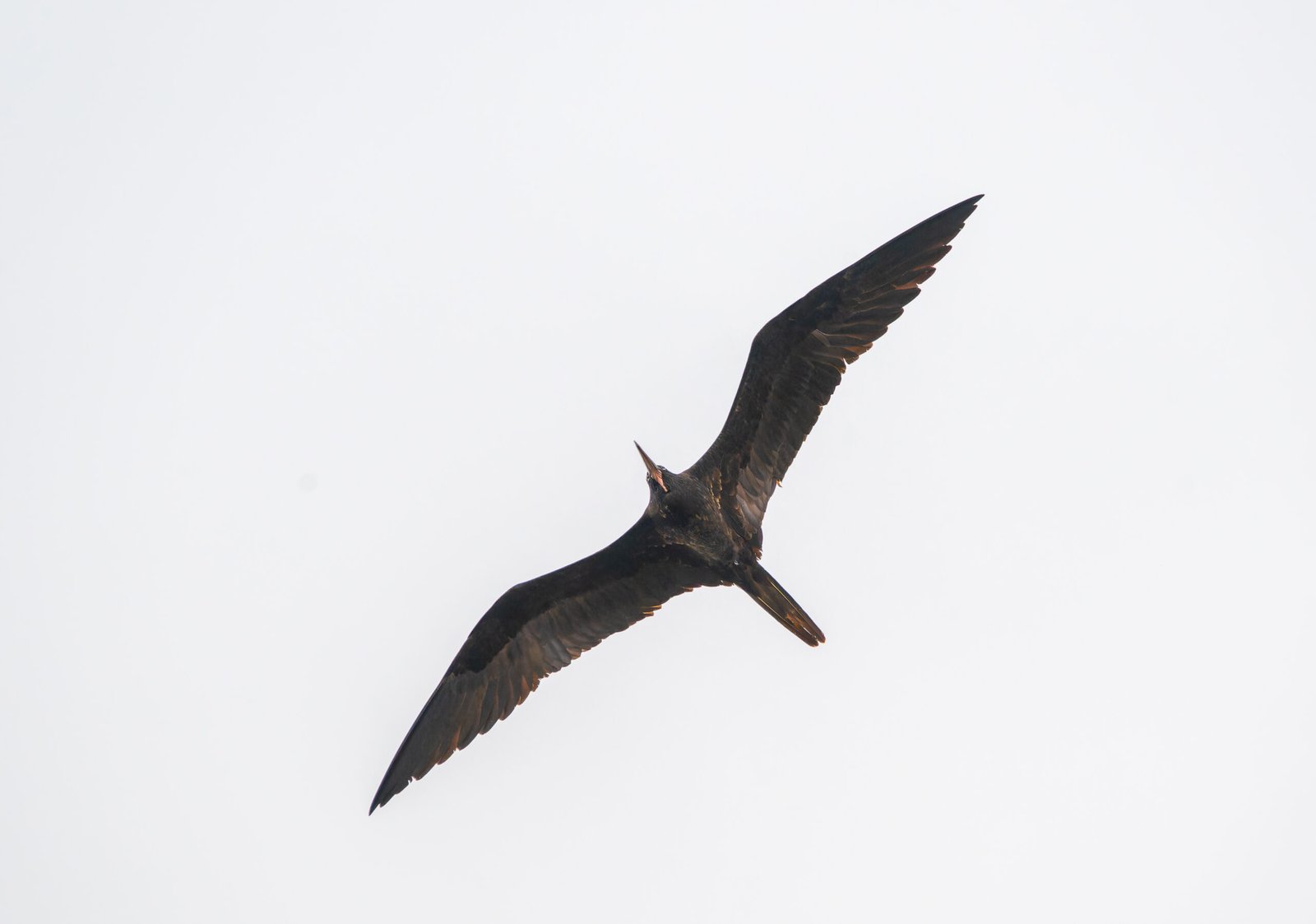
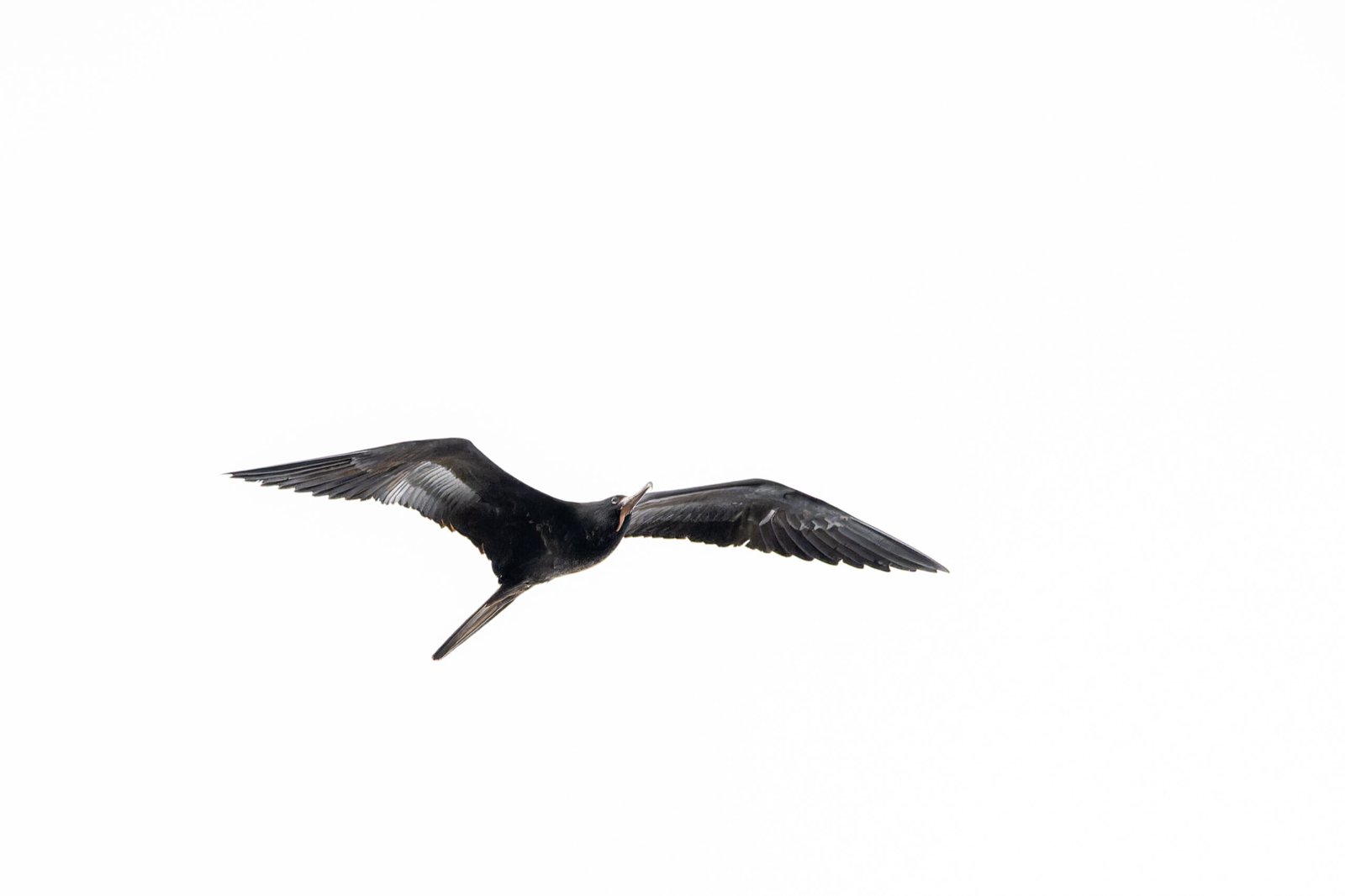
A few weeks ago a storm was moving just off the coast — it’s been dry here again and we were hoping it would come ashore, but all it brought us was wind. Whenever there’s an offshore storm, or one pushing up from the south, Patty wants to drive the coast watching for birds driven in ahead of it. One we always hope to see is the Great Frigatebird — unfortunately, none this day. (See below for information about the Great Frigatebird and my images taken in 2024.)
Click any image to view full size and browse the gallery.


Great Frigatebird
CornellLab ALl About Birds
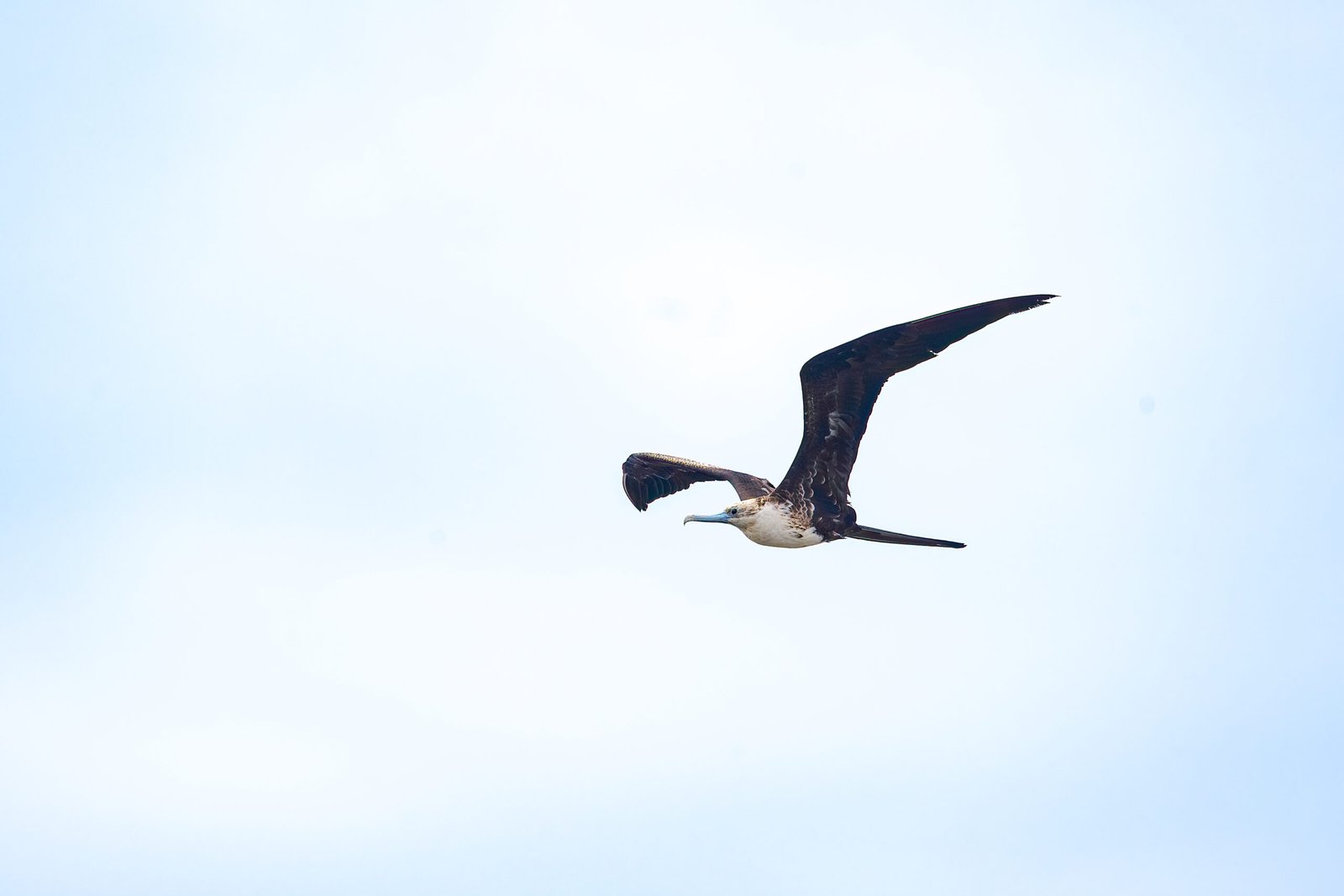
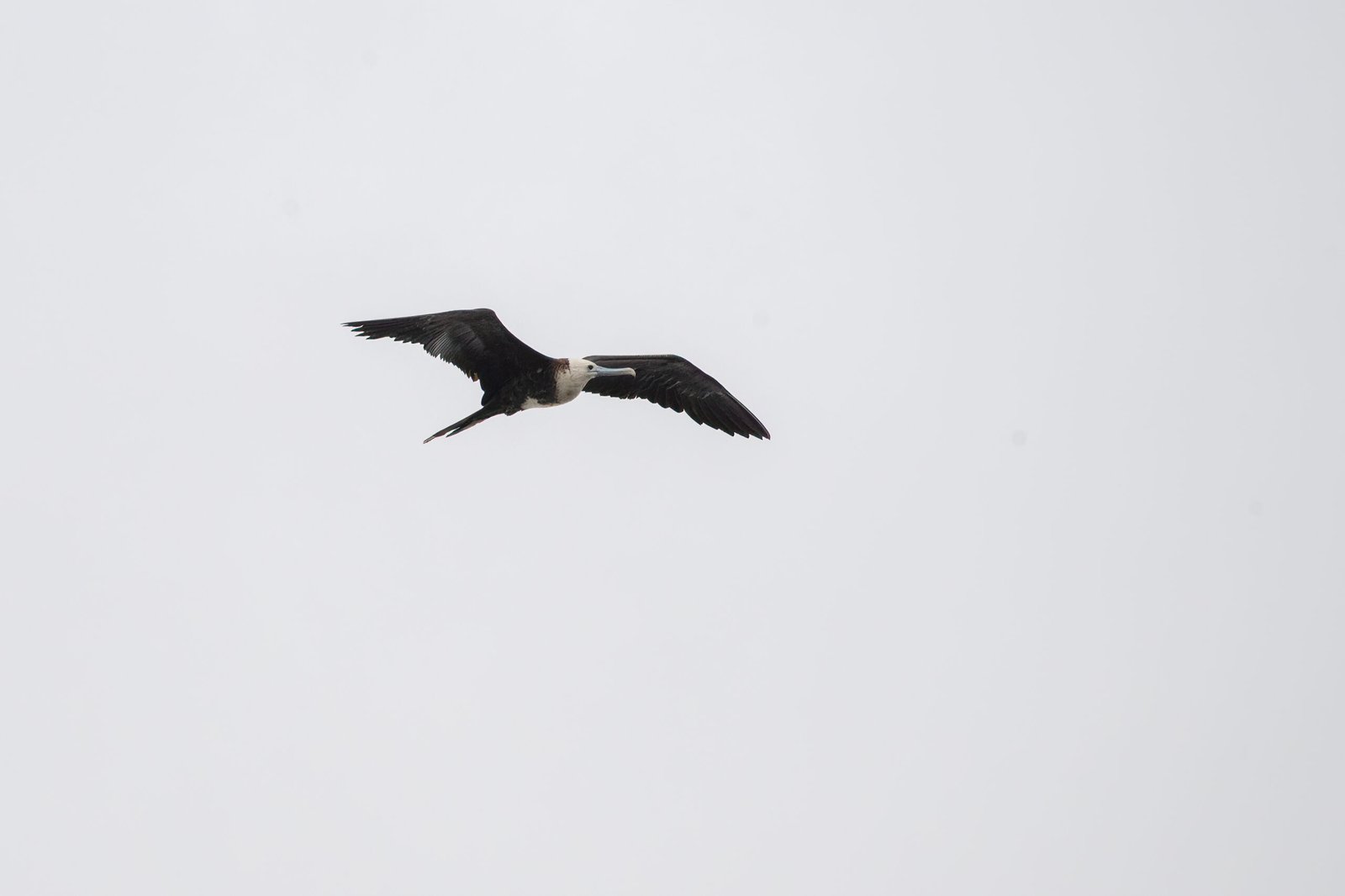
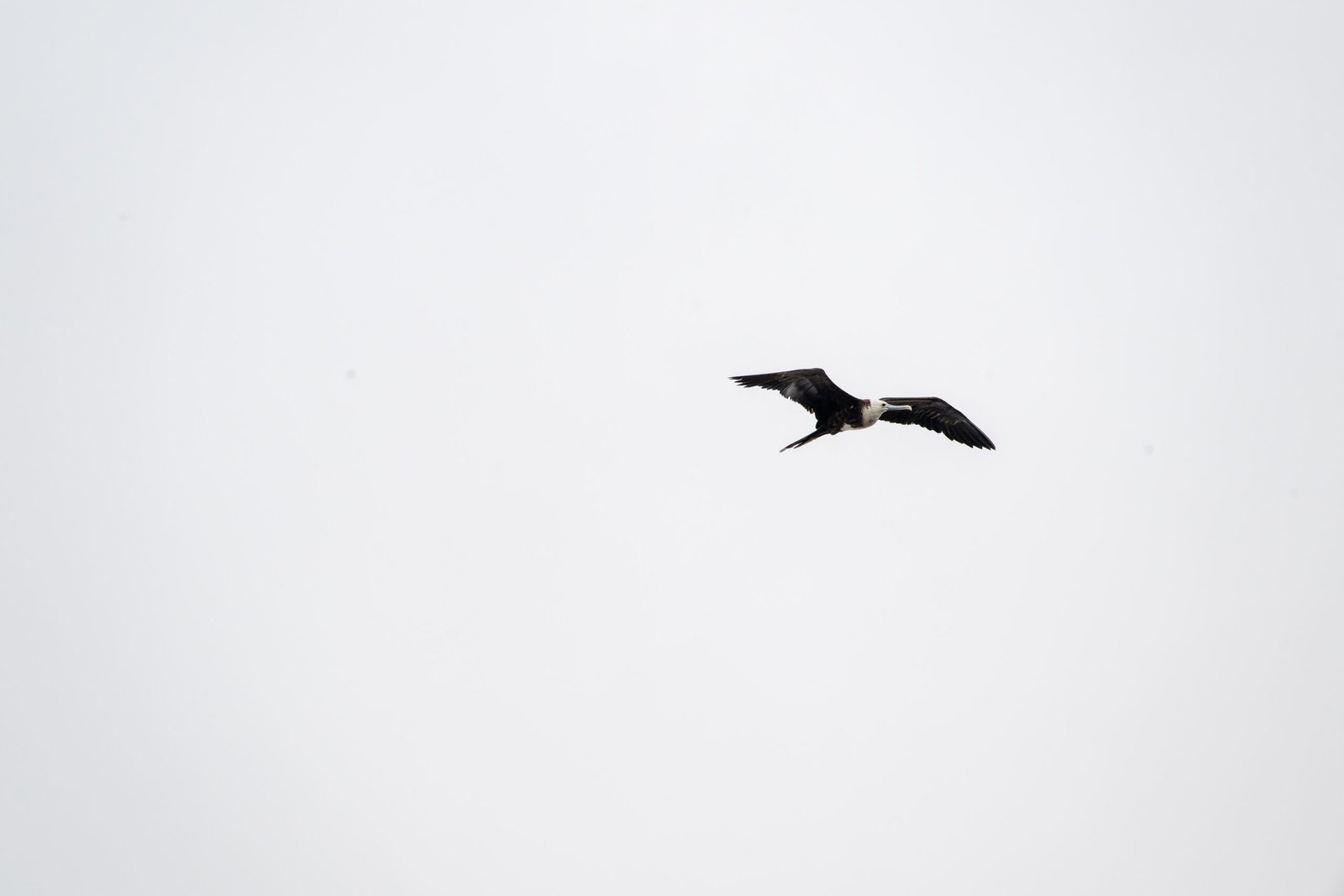
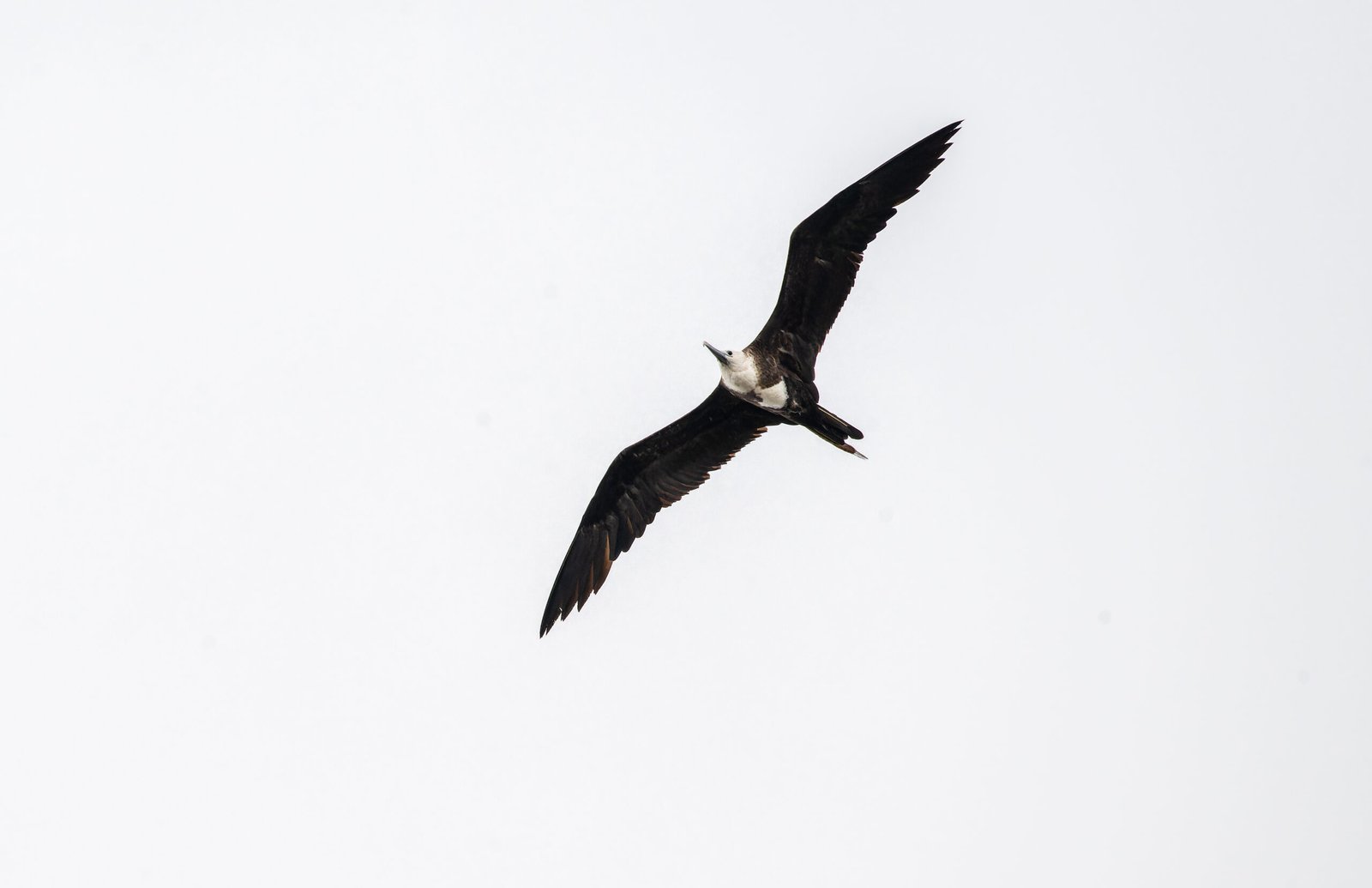
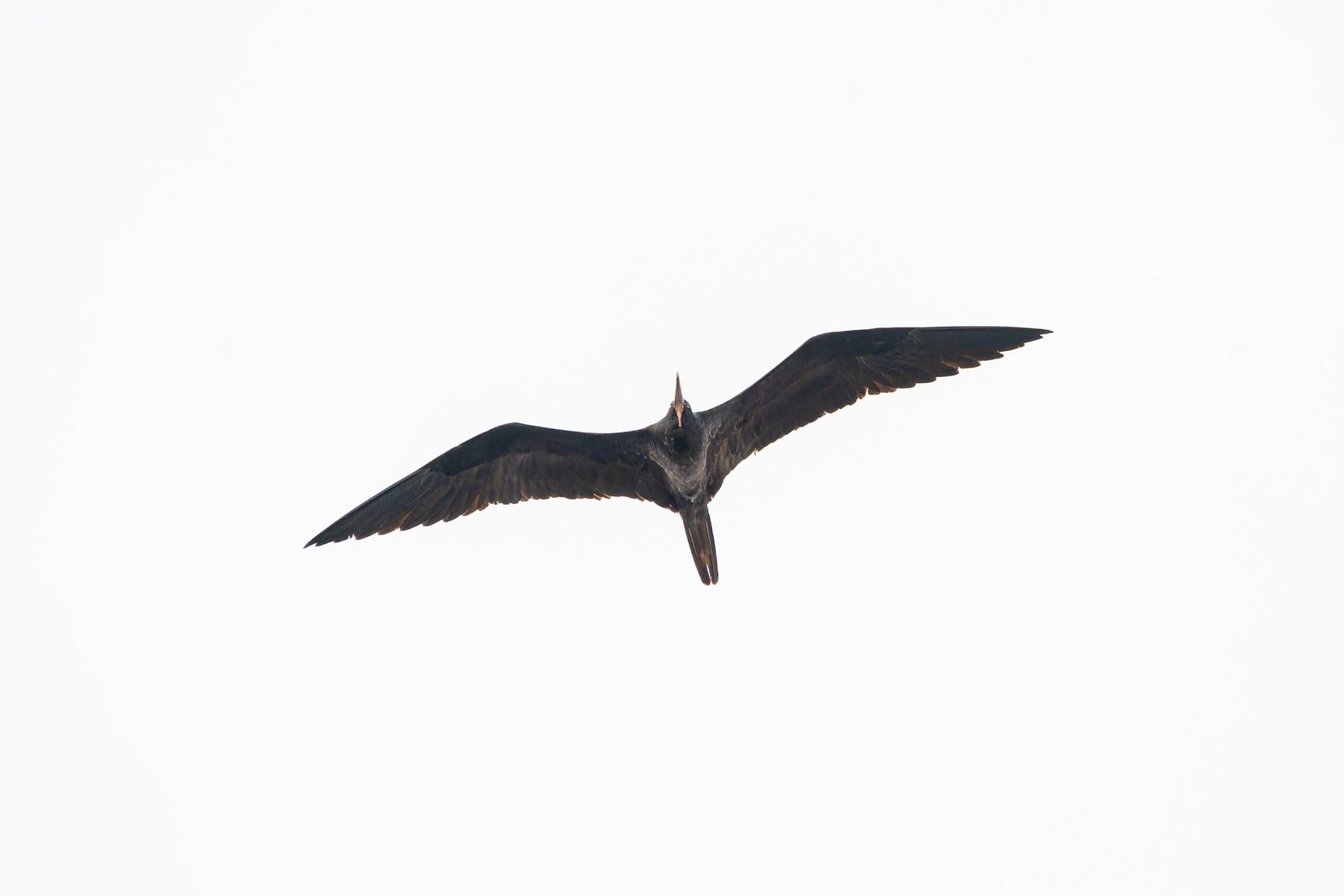
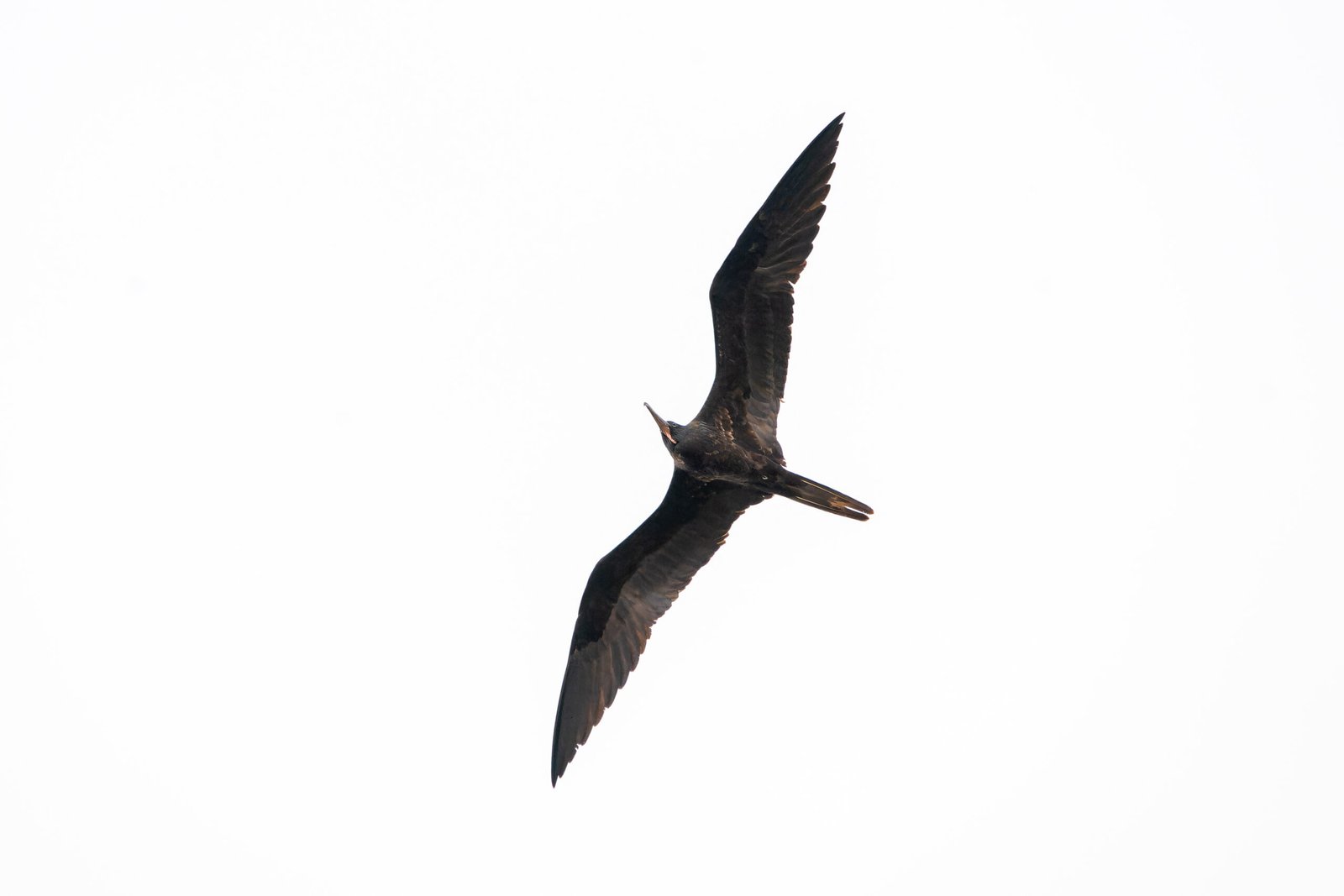
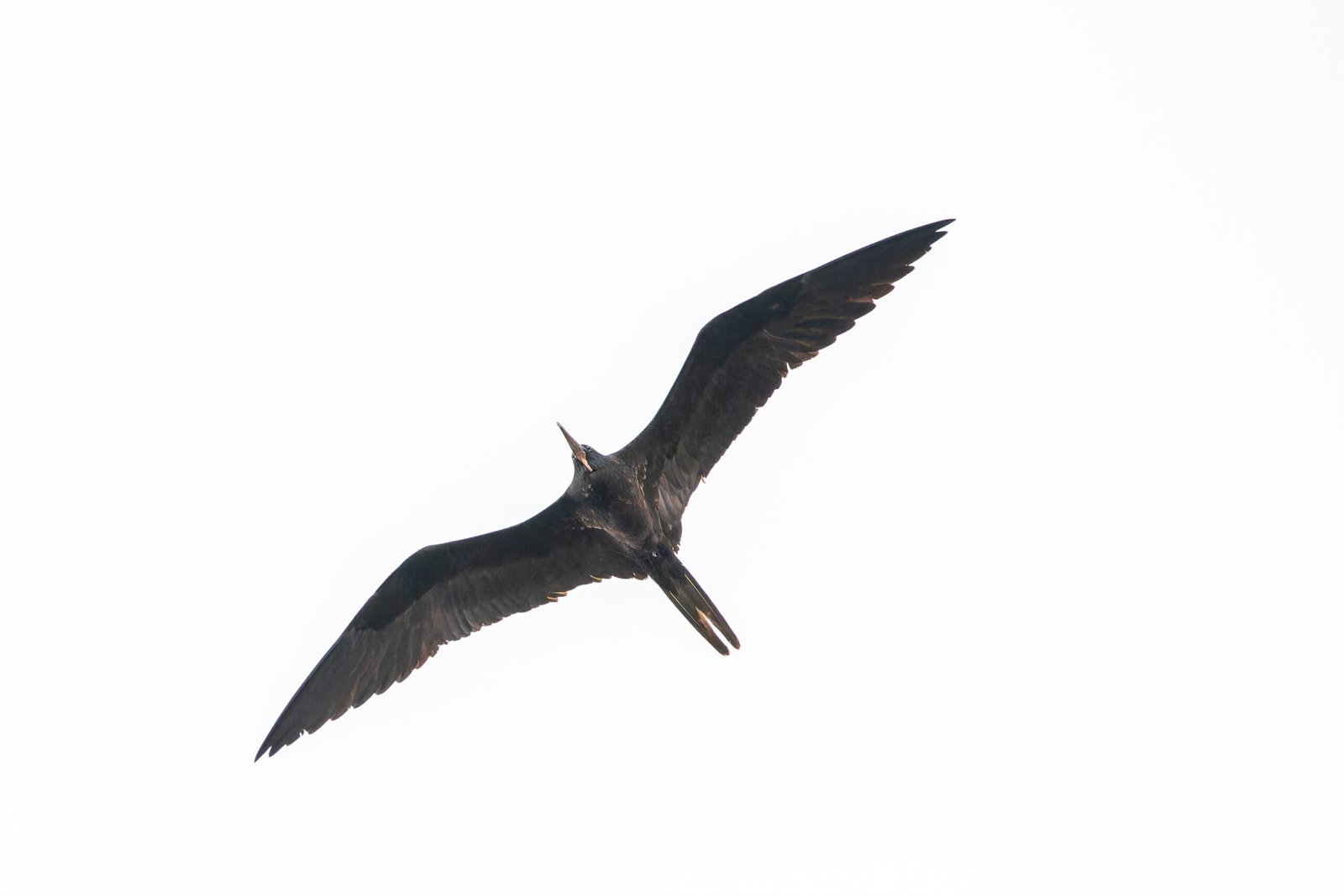
The Great Frigatebird is a master of tropical ocean skies. This large, slender seabird plies the wind on long, narrow, bowed wings for hours or days at a time and maneuvers using its deeply forked tail. Adult males are all dark with an inflatable red air sac, usually hidden. Larger females have a striking white breast. Young birds are whiter still and take years to reach adult plumage. Great Frigatebirds famously steal food from other seabirds, but they catch most of their prey themselves, expertly snatching flying fish and squid from the ocean surface.
Other Names: Rabihorcado Grande (Spanish), Frégate du Pacifique (French)
Cool Facts
Great Frigatebird’s official name, its colloquial name “man-o-war bird,” and its Hawaiian name “Iwa” (meaning “thief”) all refer to this bird’s habit of chasing other birds until they regurgitate recently captured food, which the frigatebird then catches before it hits the water. This thievery is reminiscent of pirates who used highly maneuverable frigates, or man-o-war ships, to loot other vessels centuries ago.
Researchers knew little about Great Frigatebird movements at sea until the 2010s, when a new generation of location devices began to provide details. Birds nesting on Europa Island between Africa and Madagascar migrated 5,000+ km (3,100+ miles) to sites in the Indian Ocean. Birds breeding on New Caledonia migrated less than 2,000 km (1,200 miles) to sites elsewhere in the Pacific Ocean. Birds nesting in the Galapagos Islands stayed near their breeding sites all year.
Great Frigatebirds play with sticks as fledglings. One fledgling picks up a stick and flies upward, with a second young bird chasing after the first until it drops the stick. The second bird then swoops down to chase the stick before it hits the ground or water.
Like many seabirds, Great Frigatebirds are long-lived birds, with a lifespan of 30–40 years.
Pascogoula Point Park
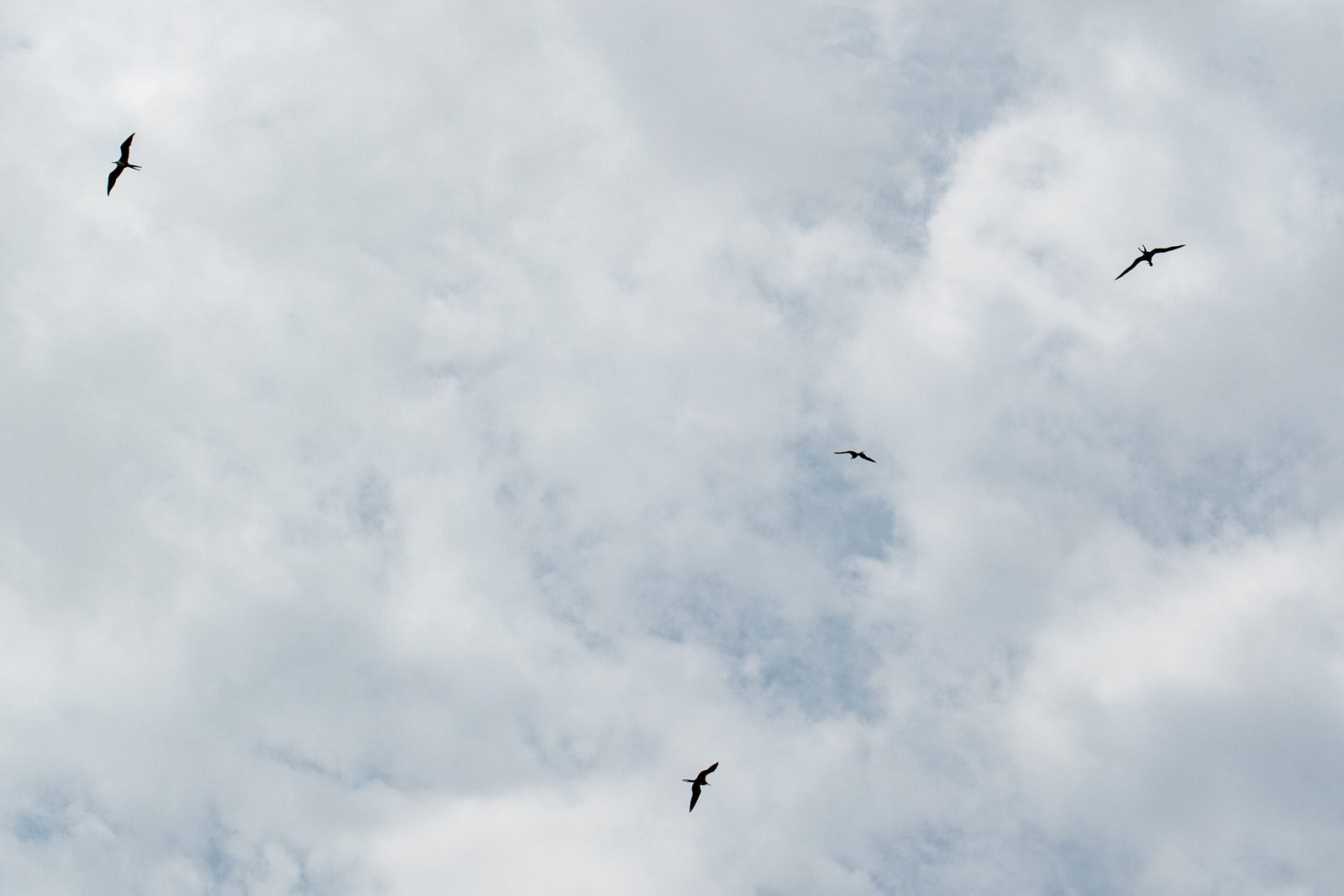
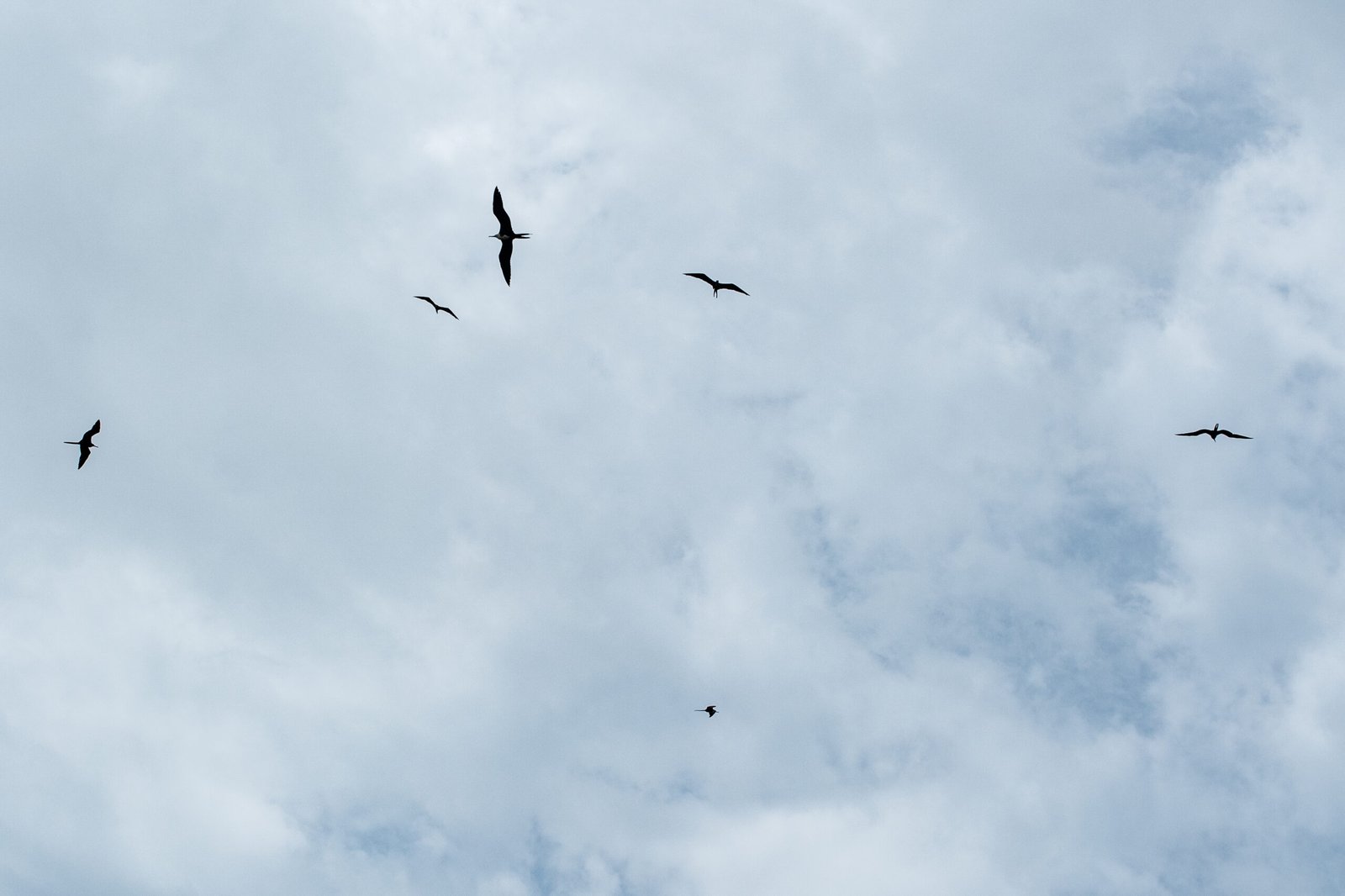
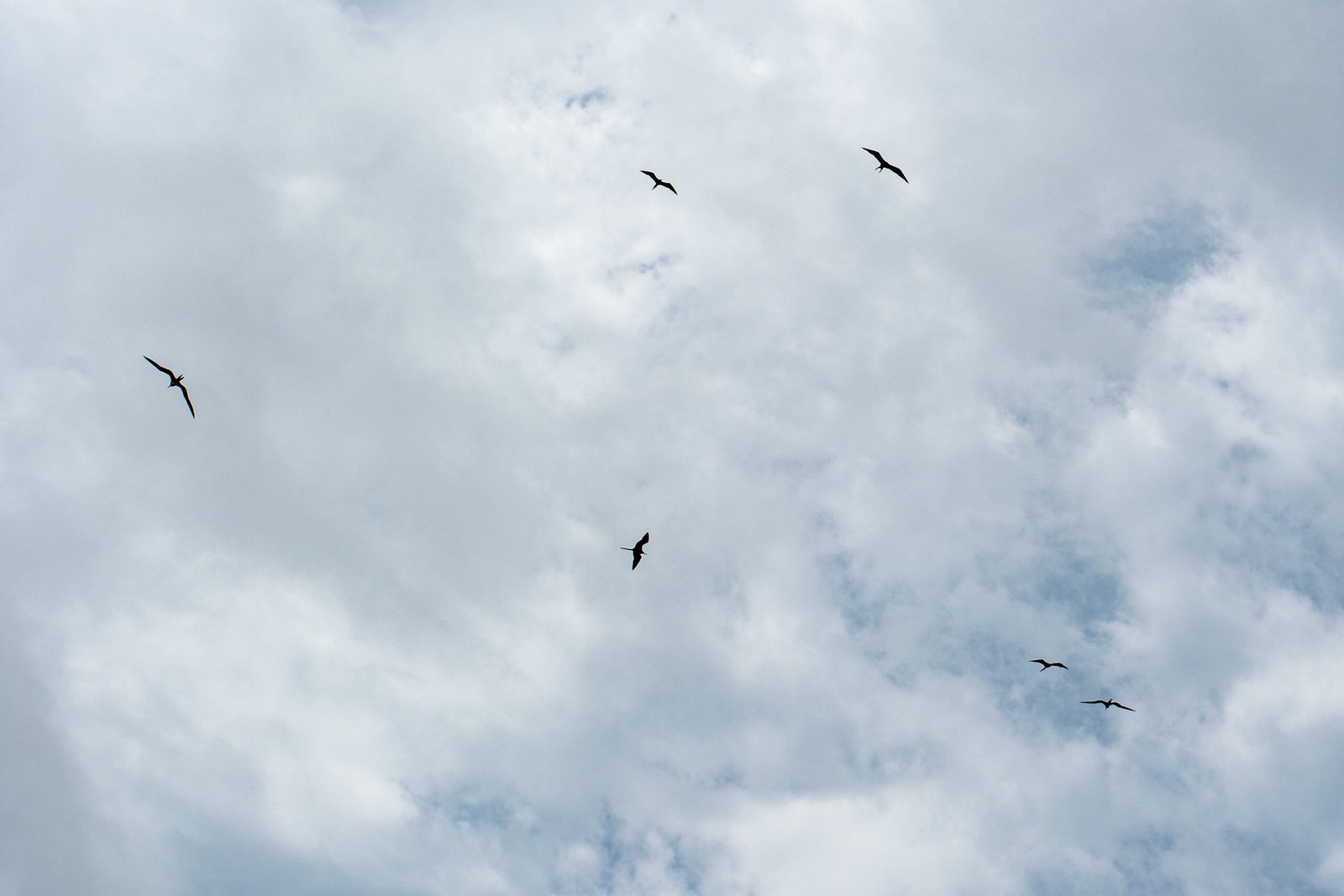
I took the following image from the Pascagoula Point Park, a very unusual sighting of so many Great Frigatebirds inshore and together. I suspect there was a reason, if only we could have read their thoughts
Click any image to view full size and browse the gallery.

“If you reveal your secrets to the wind, you should not blame the wind for revealing them to the trees”
Khalil Gibran