July 20, 2026
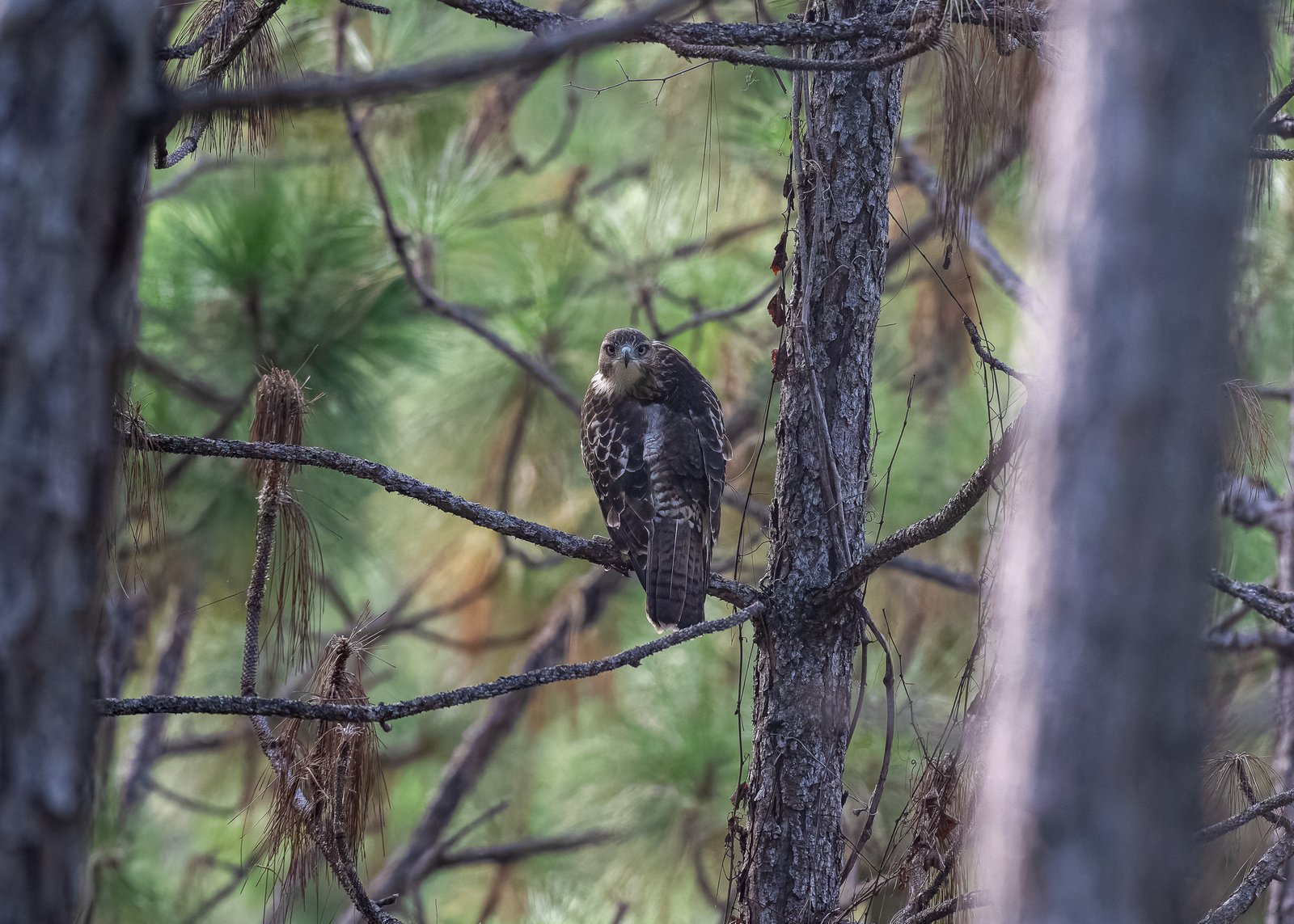
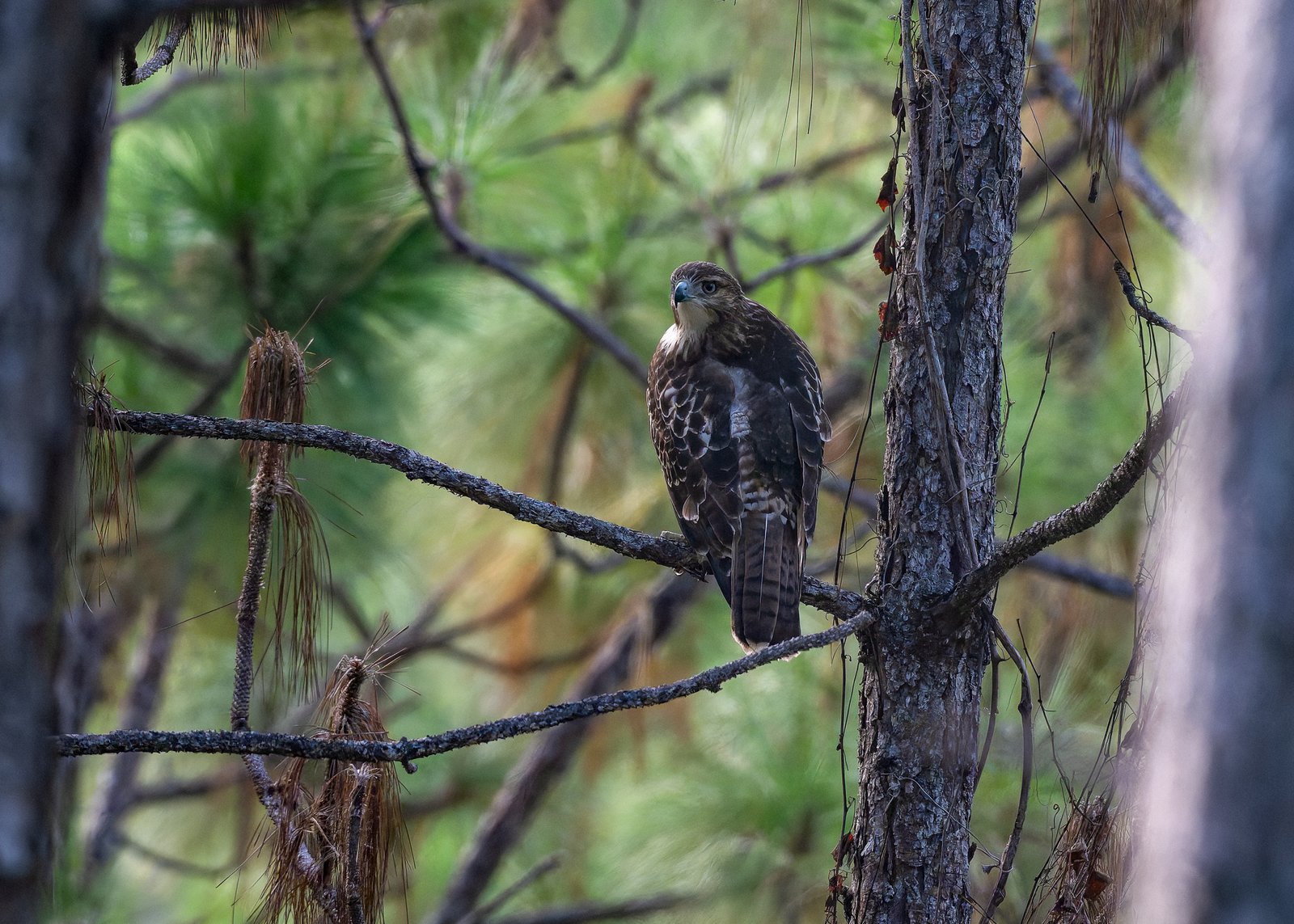
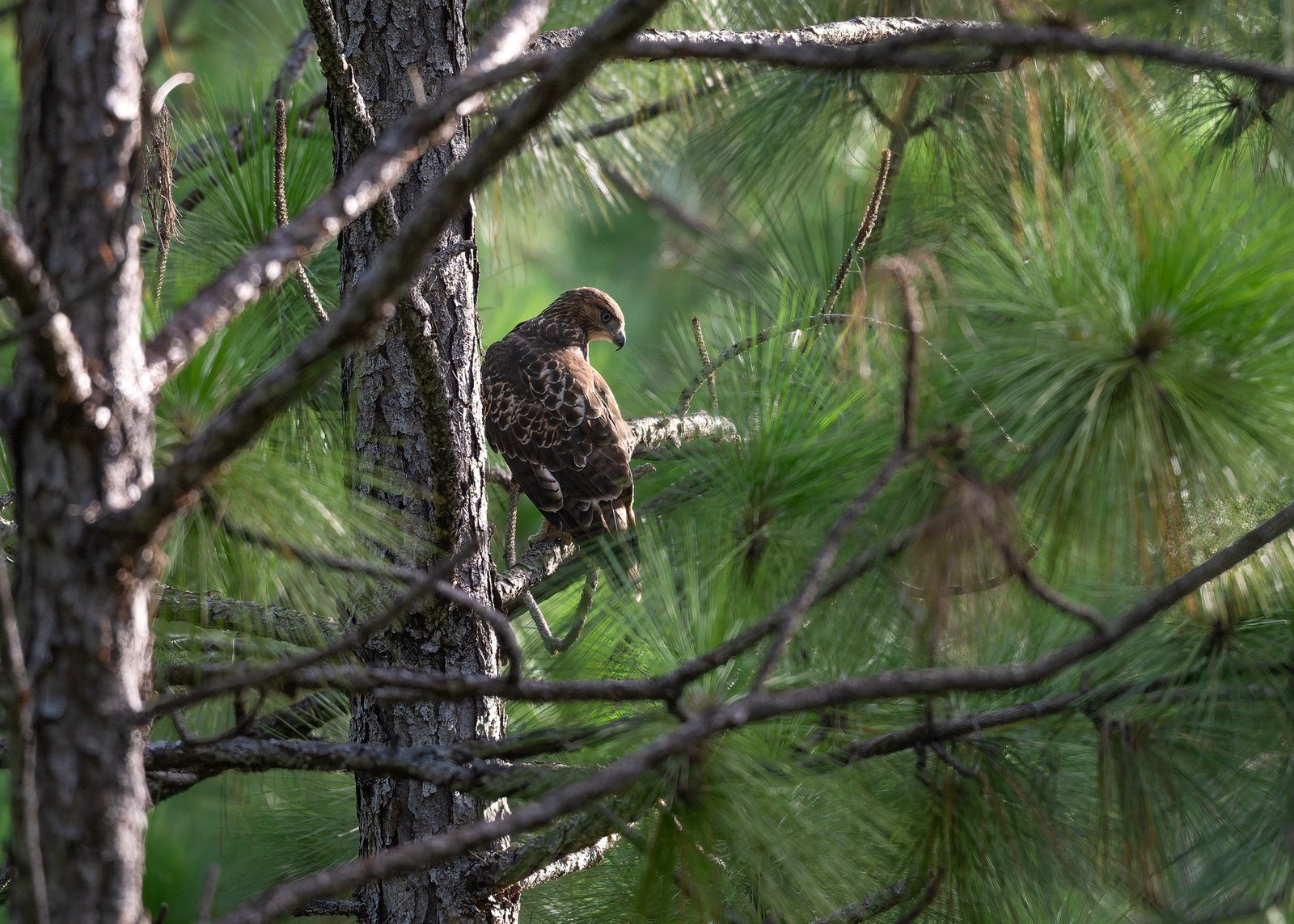
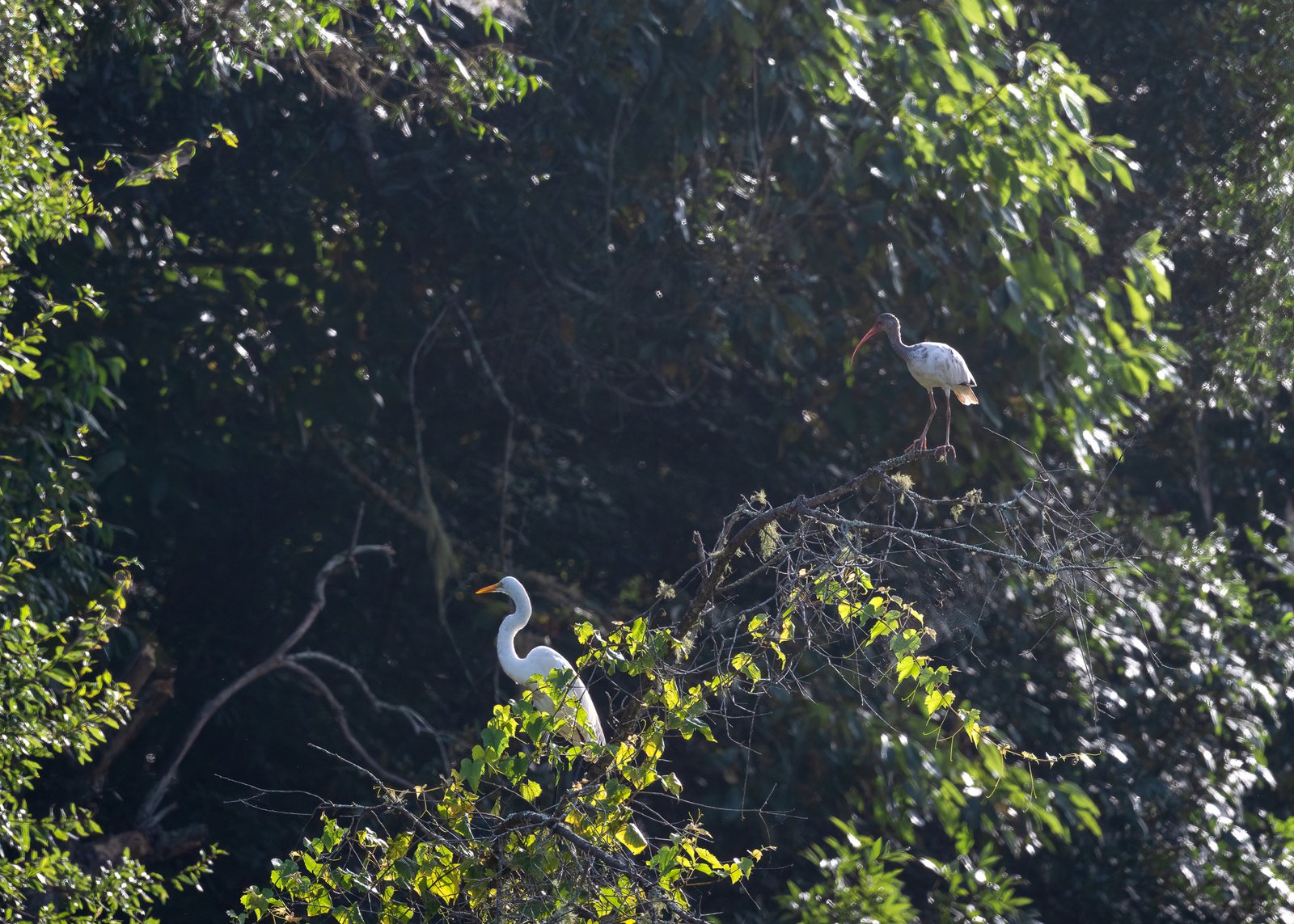
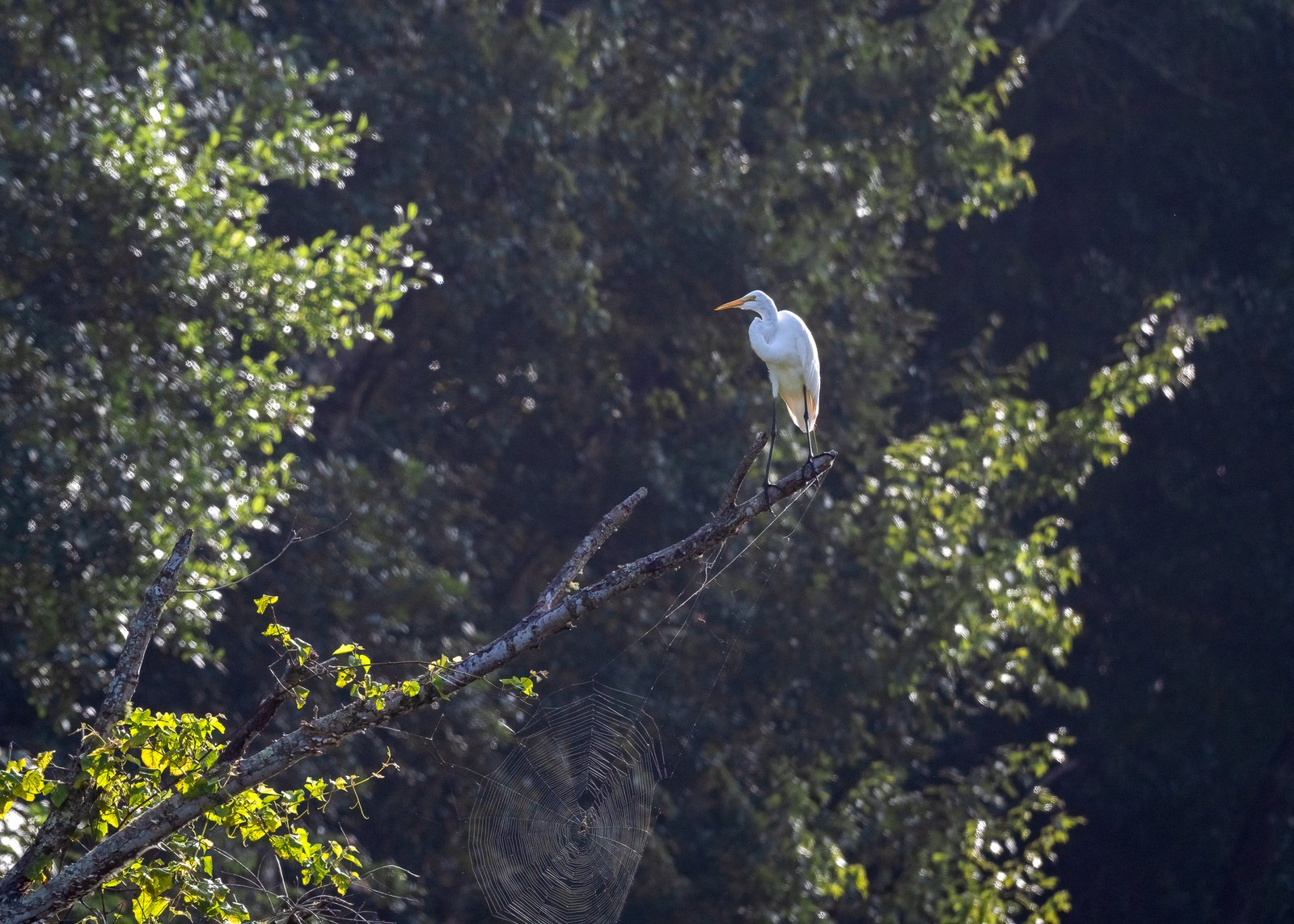
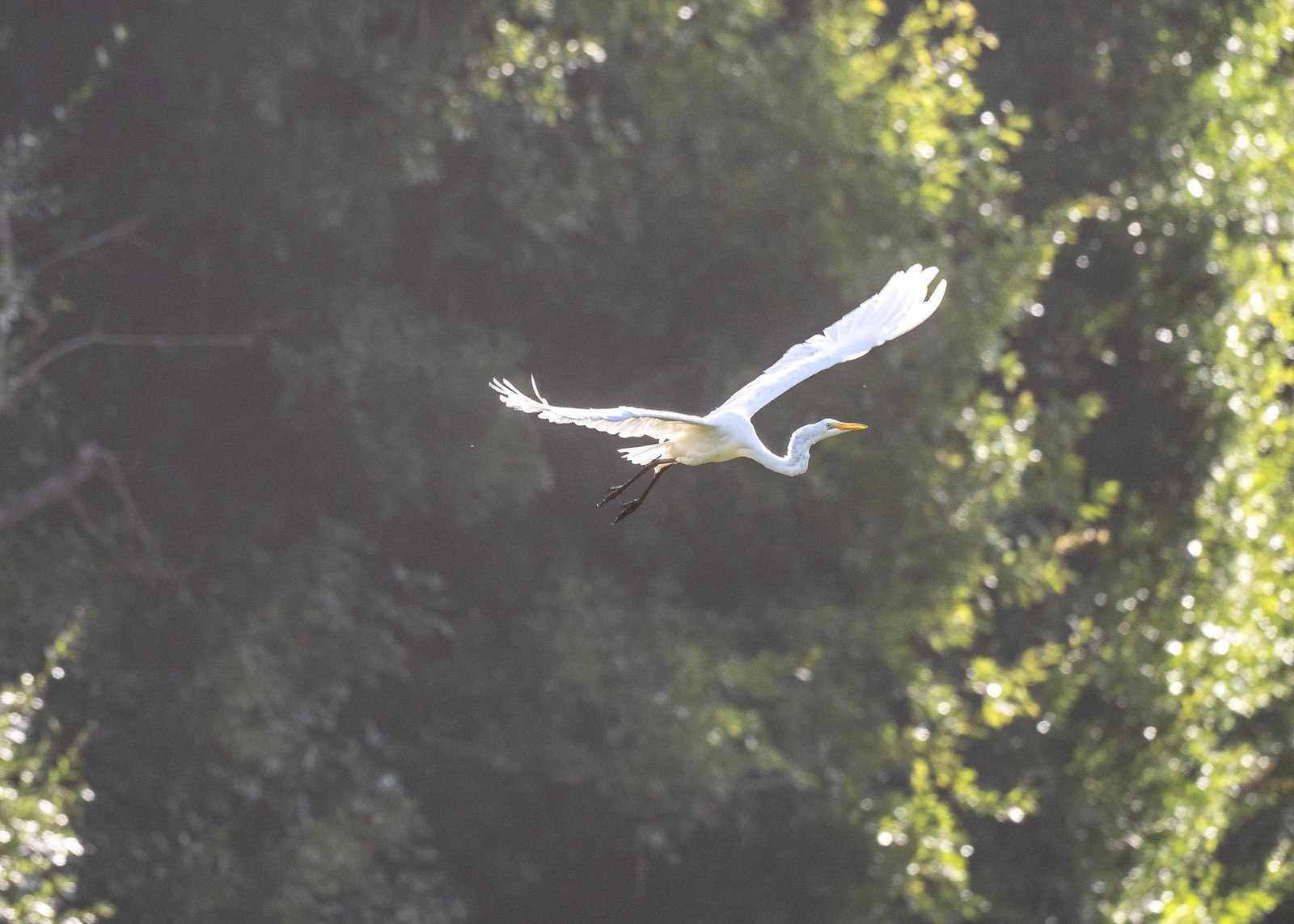
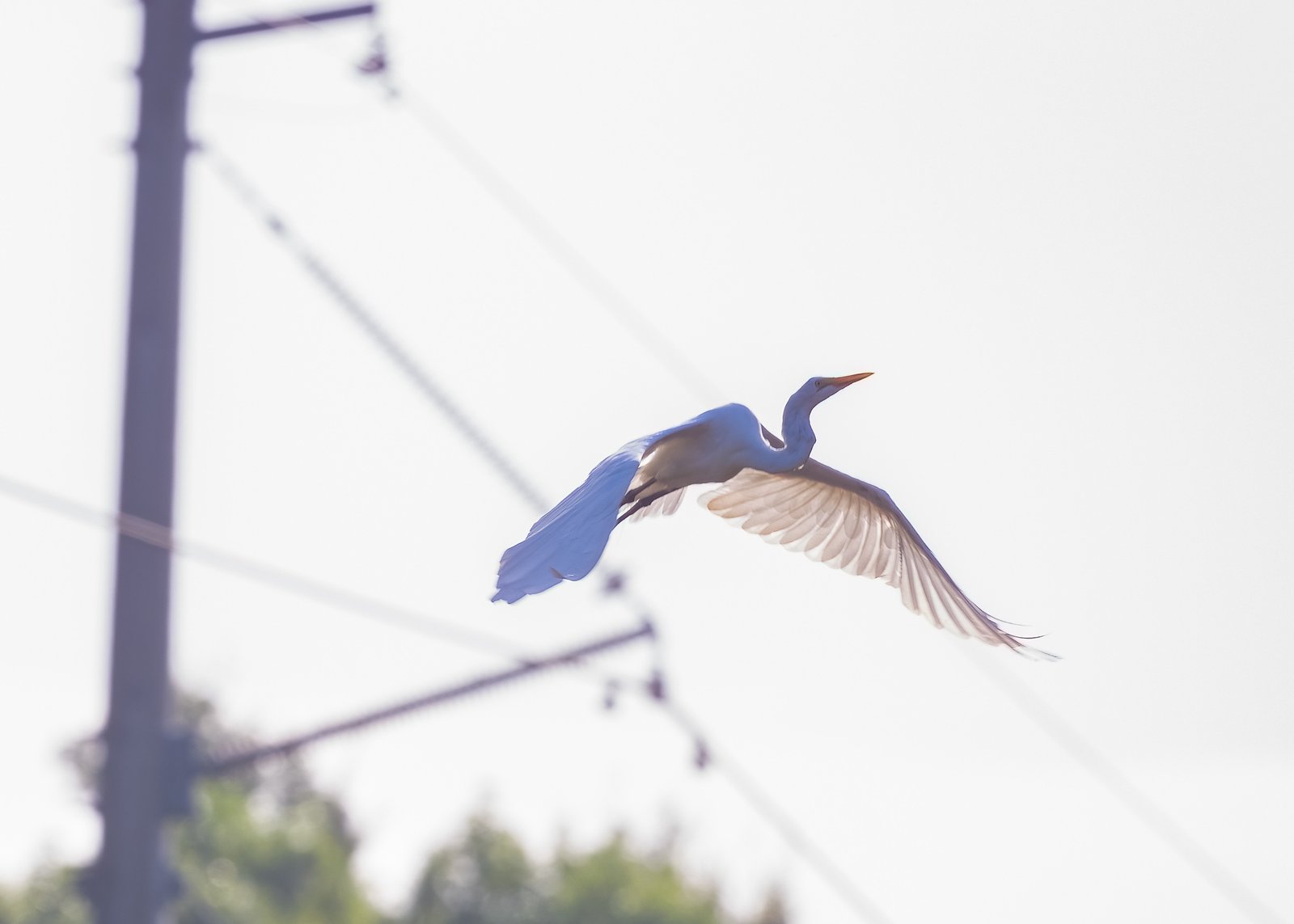
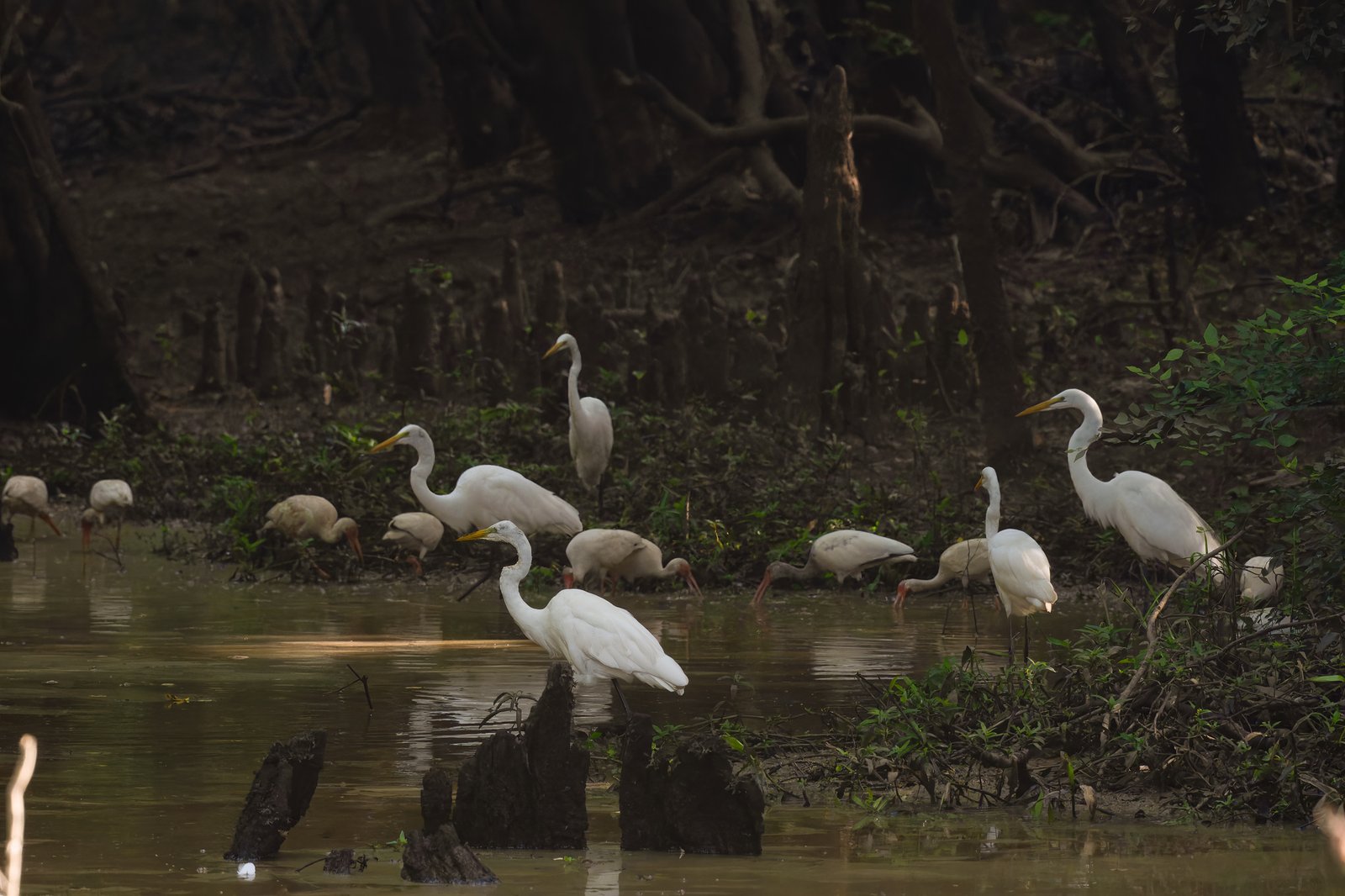
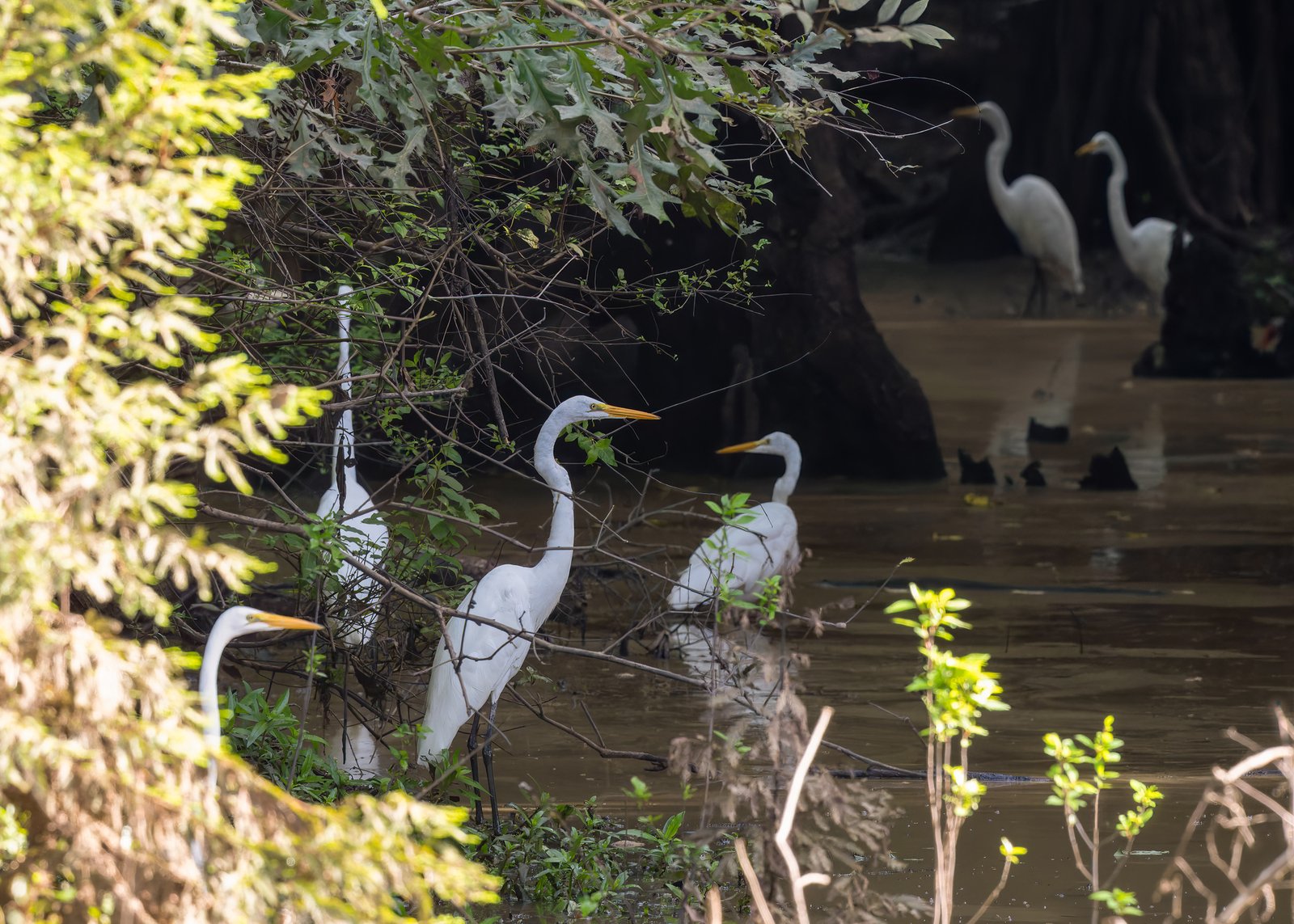
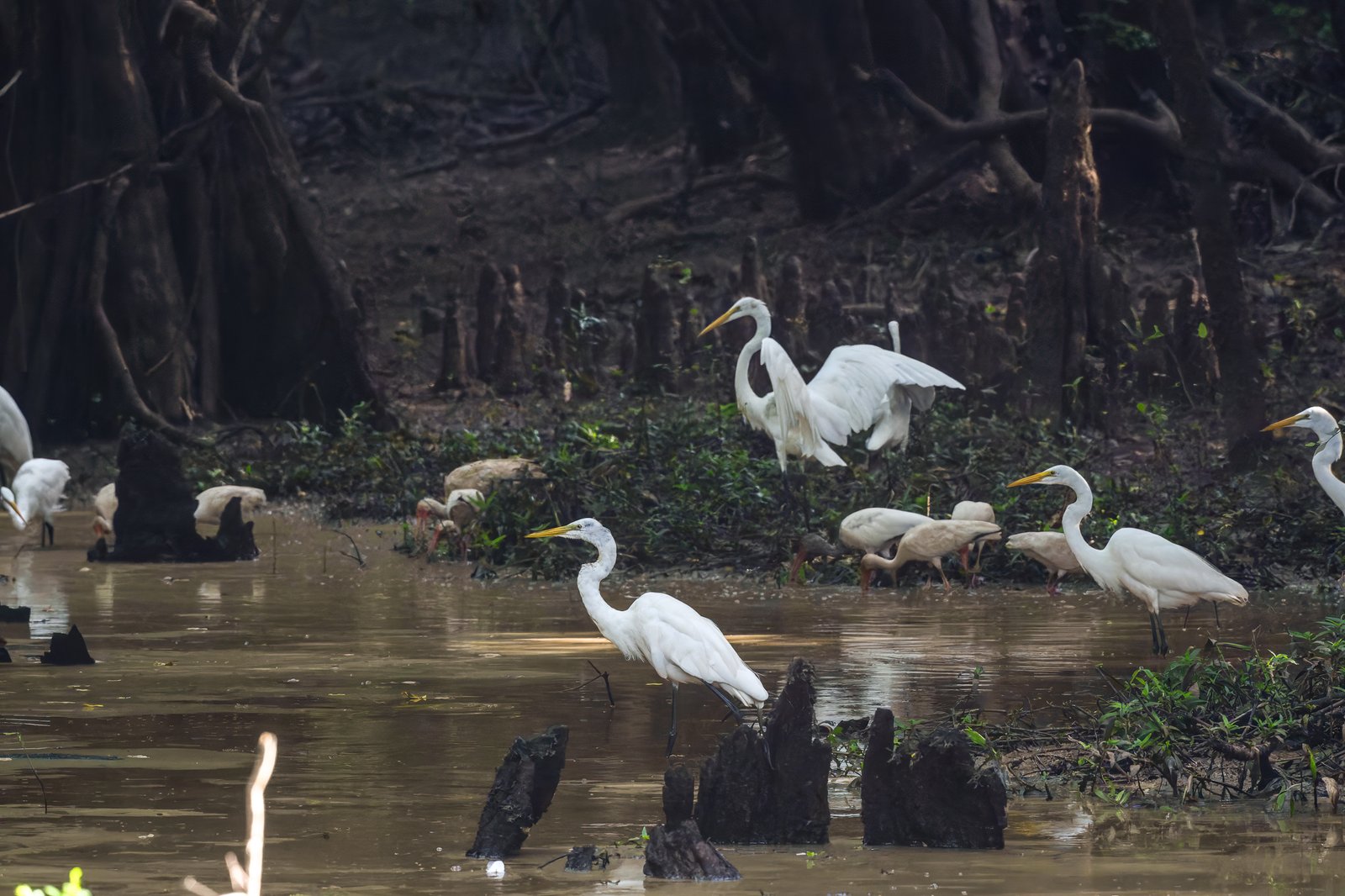
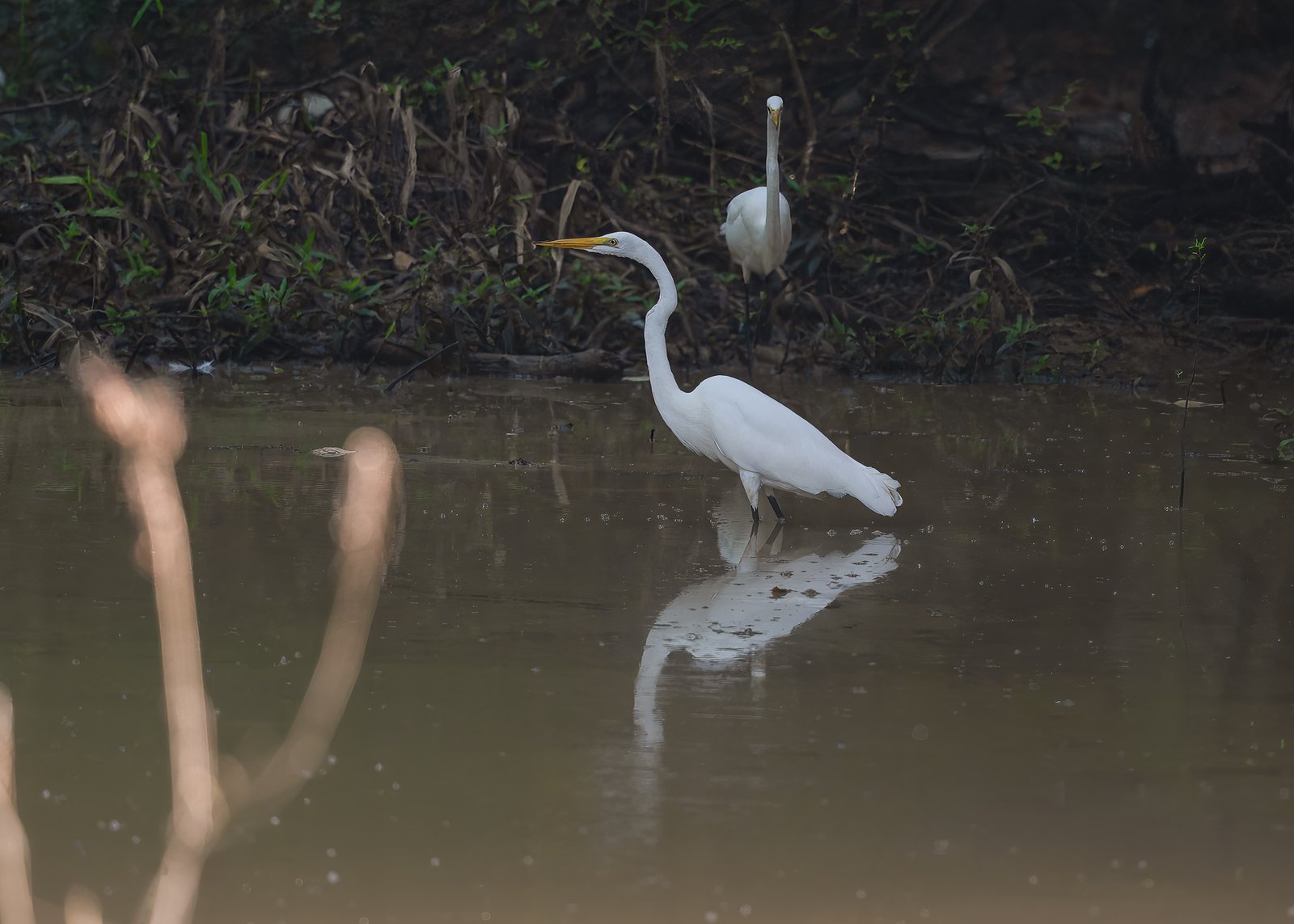
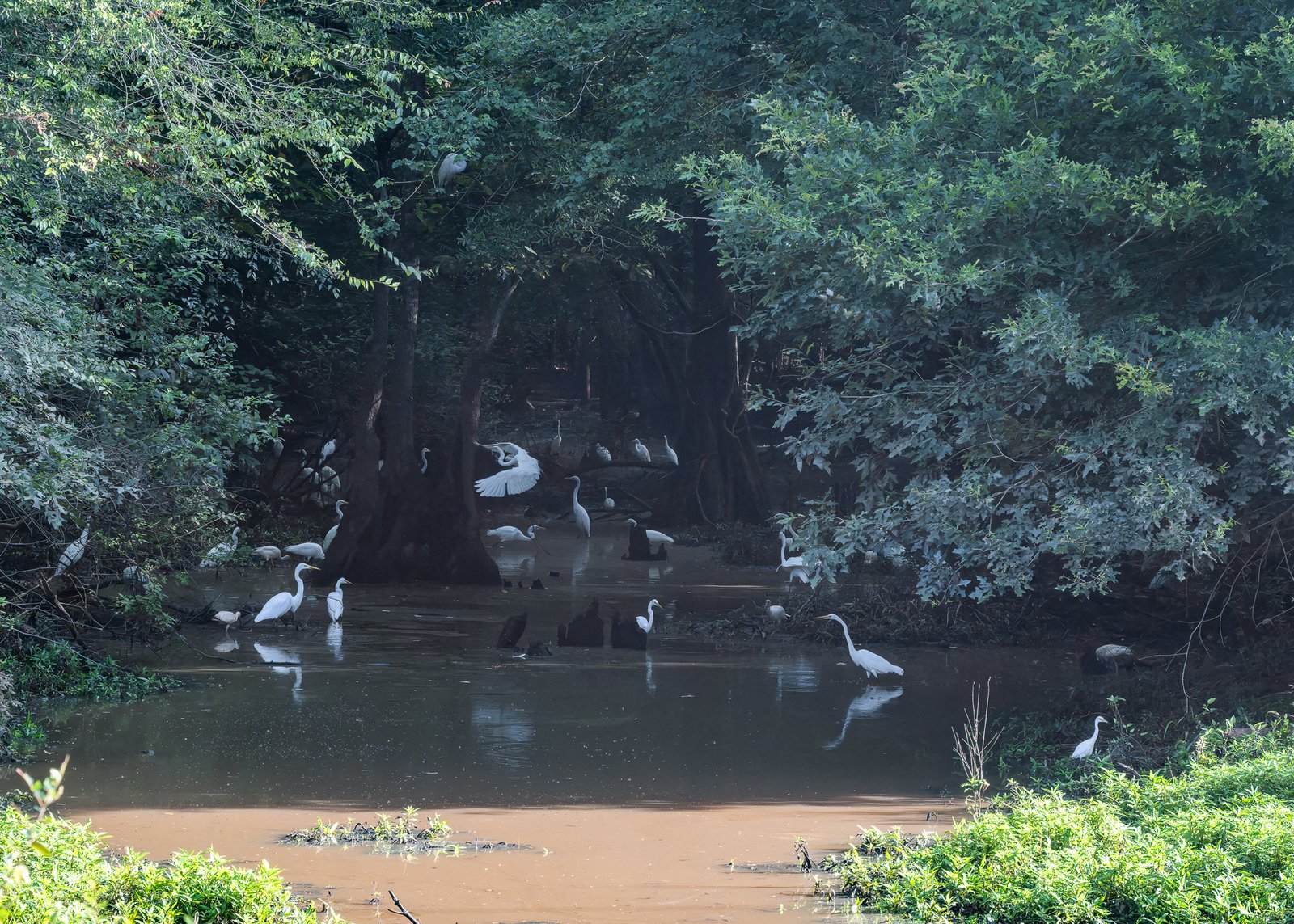
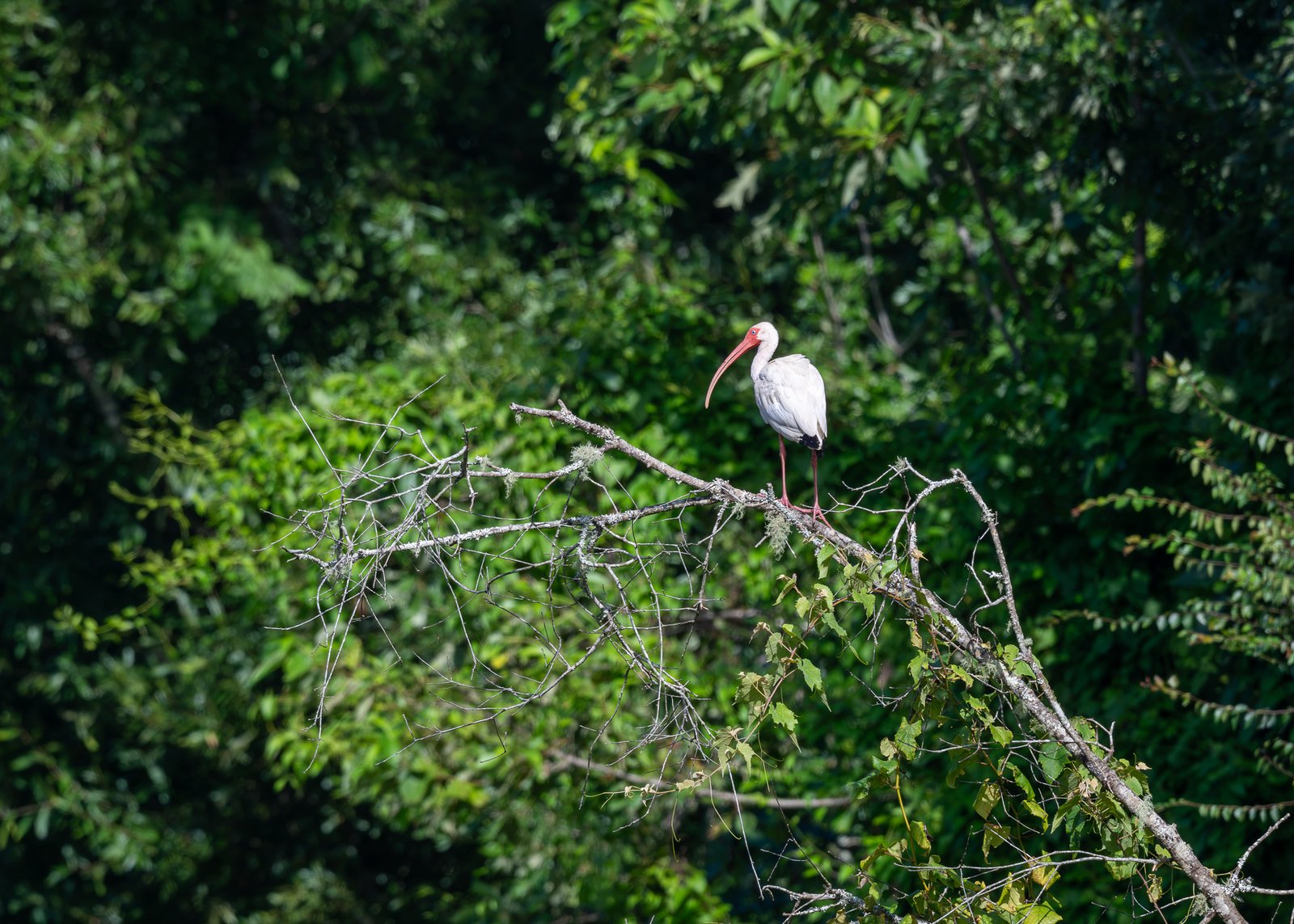
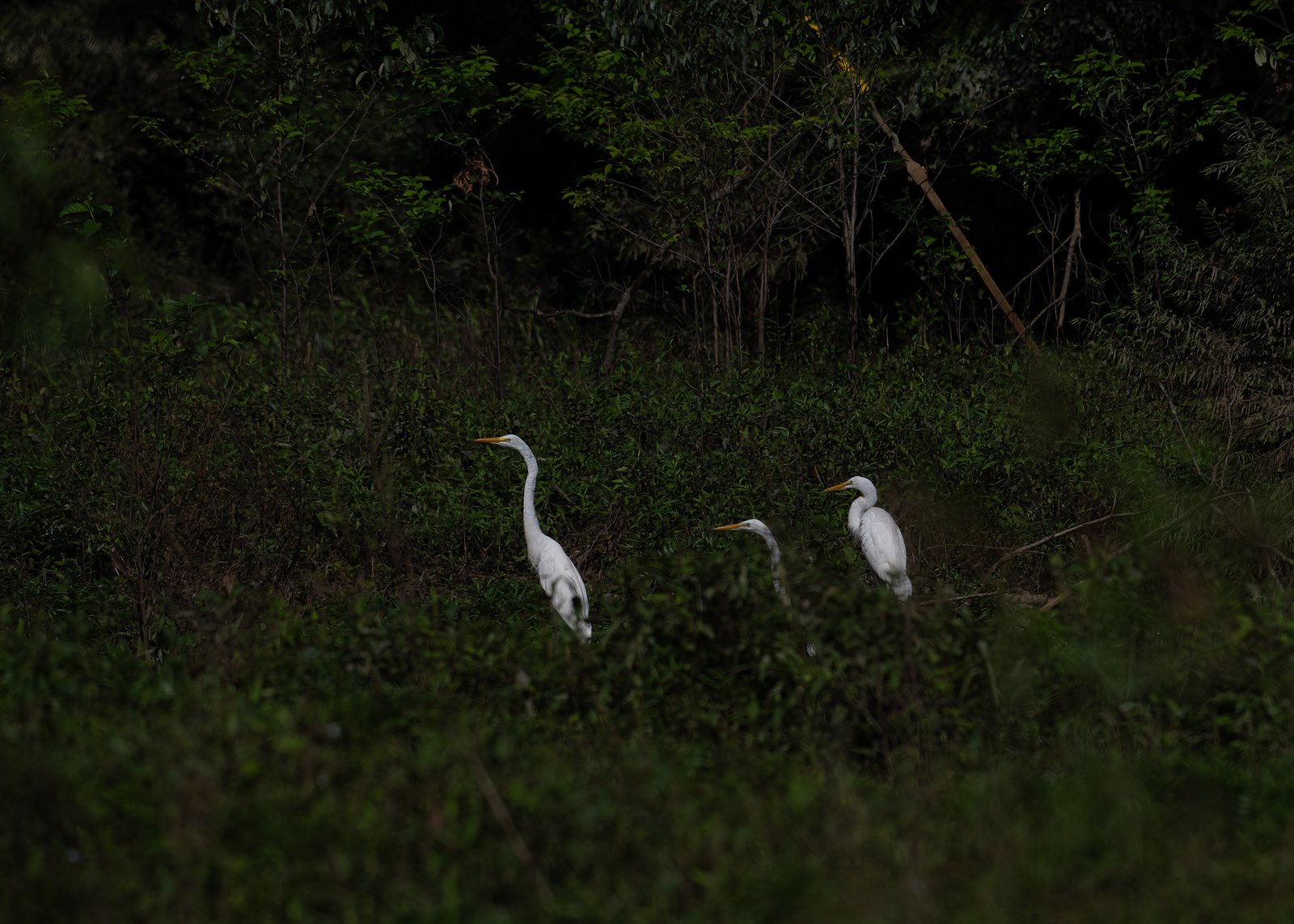
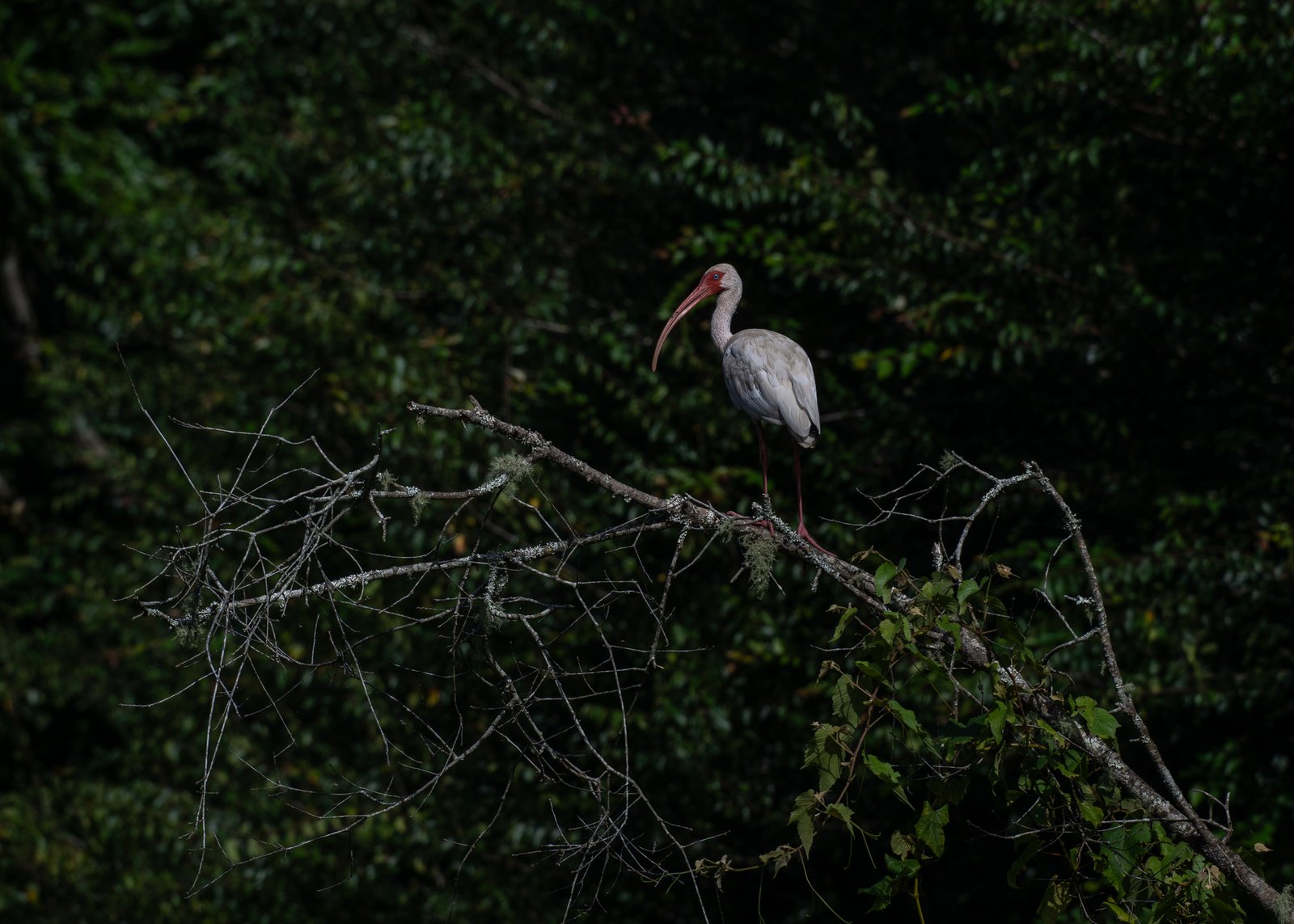
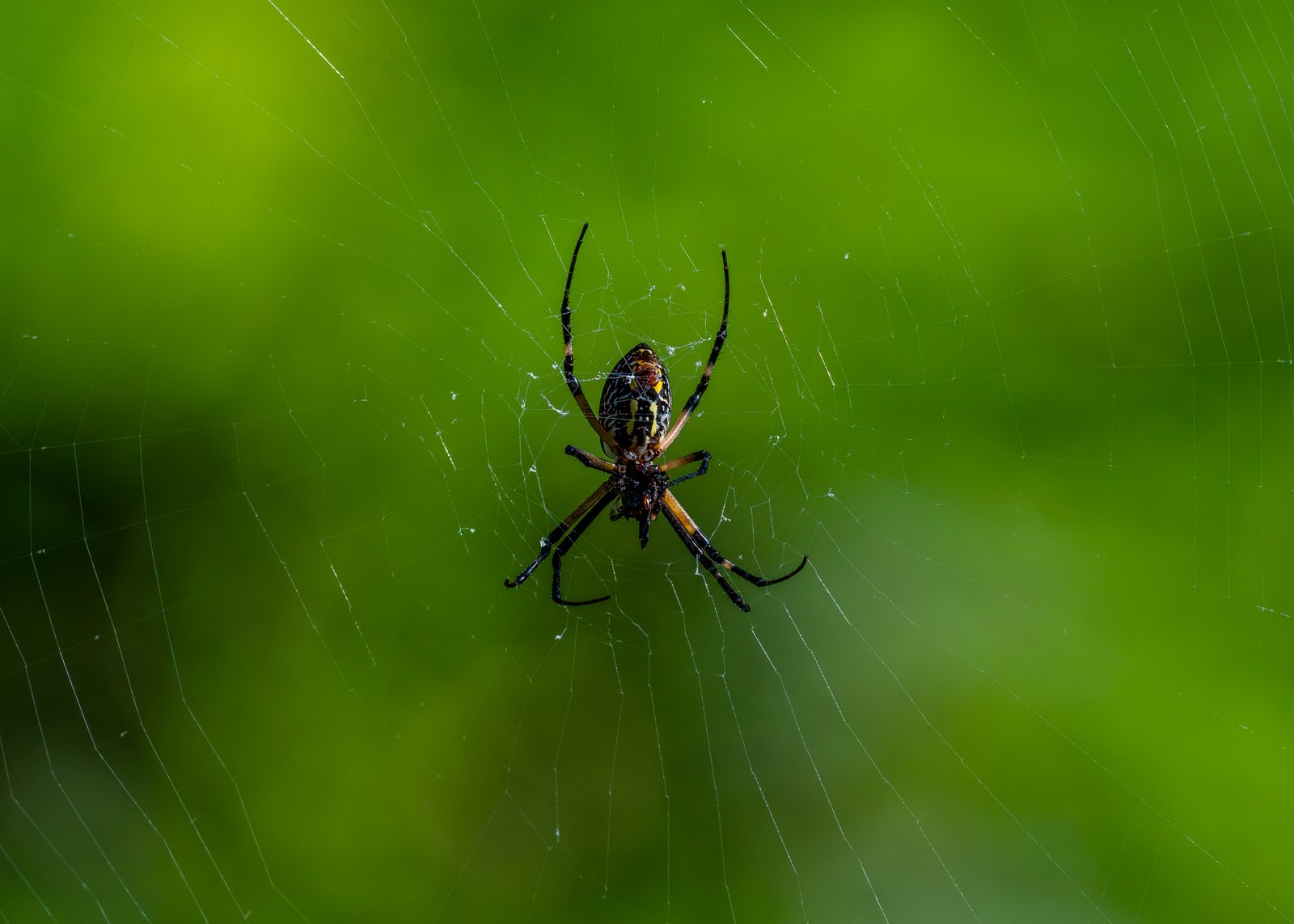
I rarely go birding without Patty but she was in Alaska birding and I needed to get out of the house and use my camera. I arrived at Ward Bayou at daylight, and it started with a young hawk who seemed genuinely curious about me — cooperative in a way that made for some wonderful shots. From there, I found waders in two different locations, in greater variety than I think I’ve ever seen together at the Bayou in one visit. Without Patty along I don’t have her ear for the woodland birds, so I didn’t go looking for them — and honestly, the dragonflies had already stolen my attention anyway.
Click any image to view full size and browse the gallery.


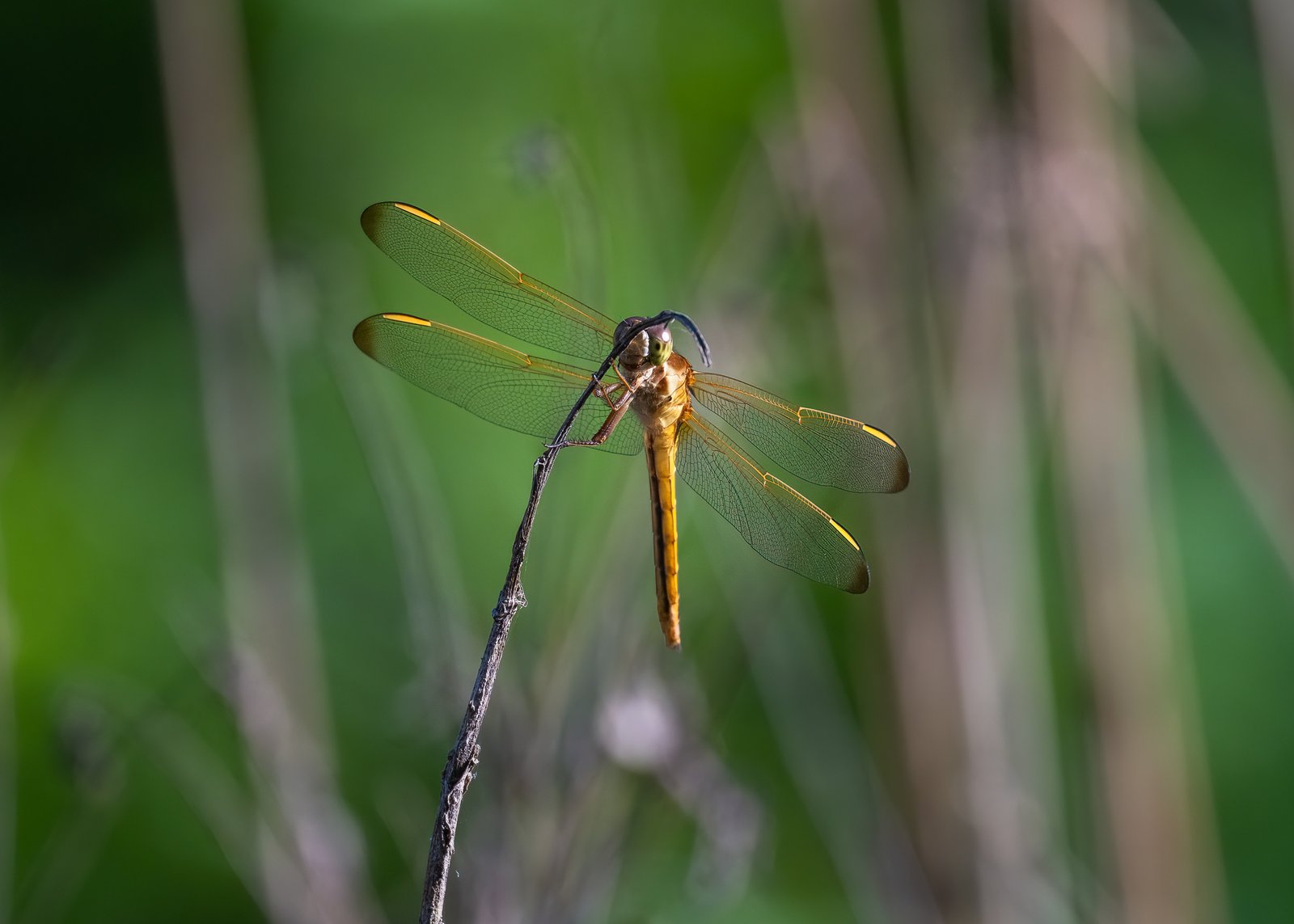
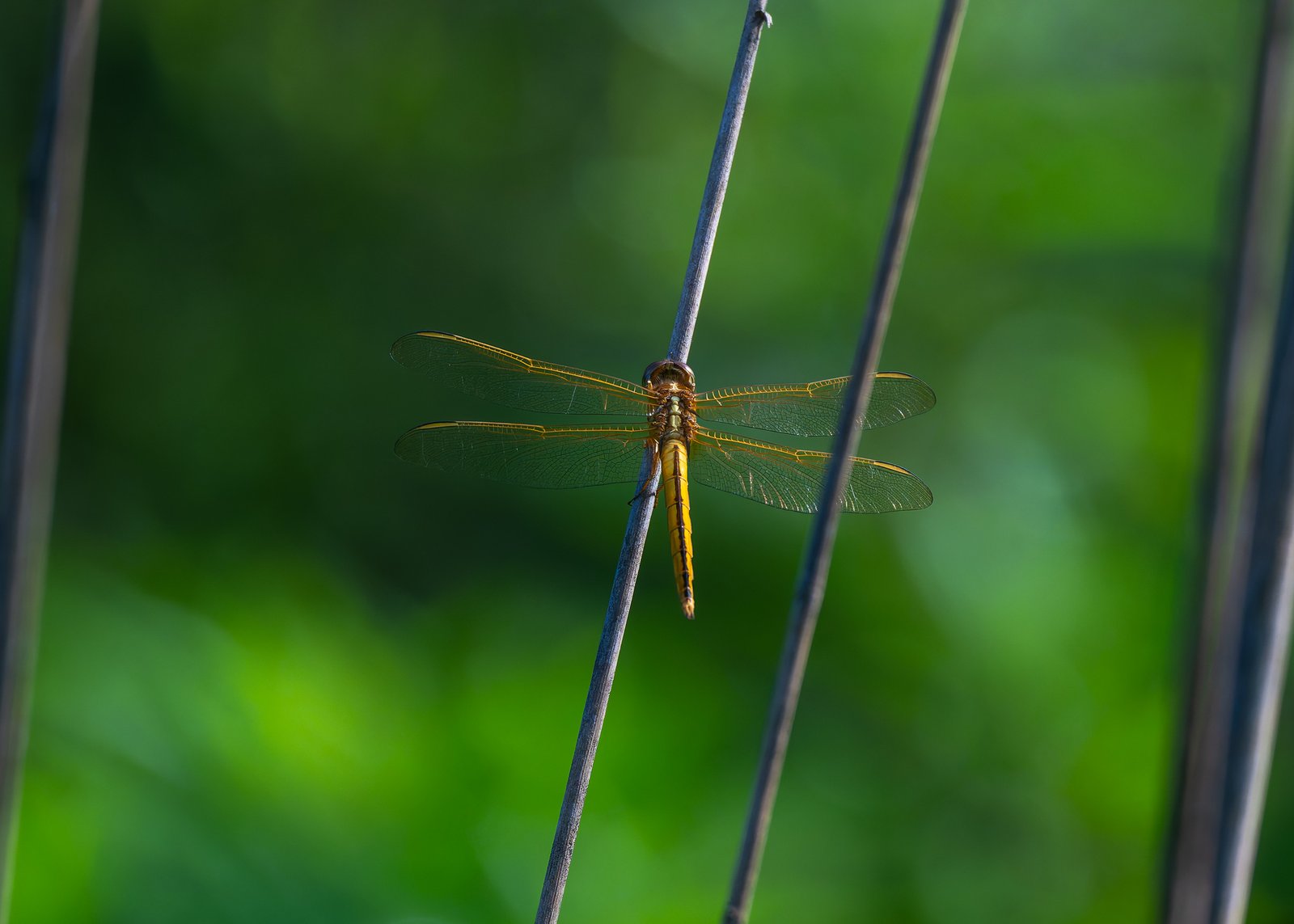
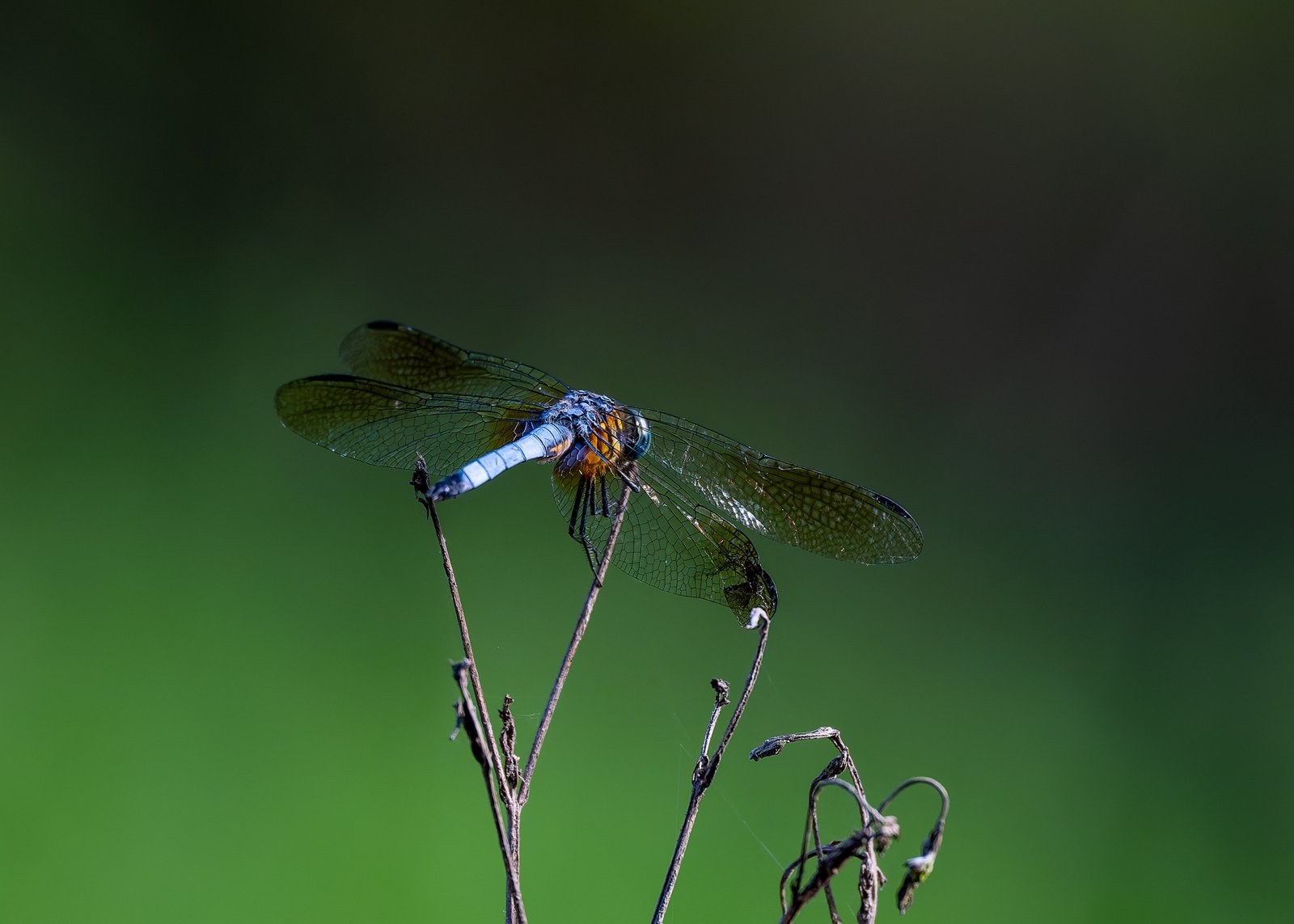
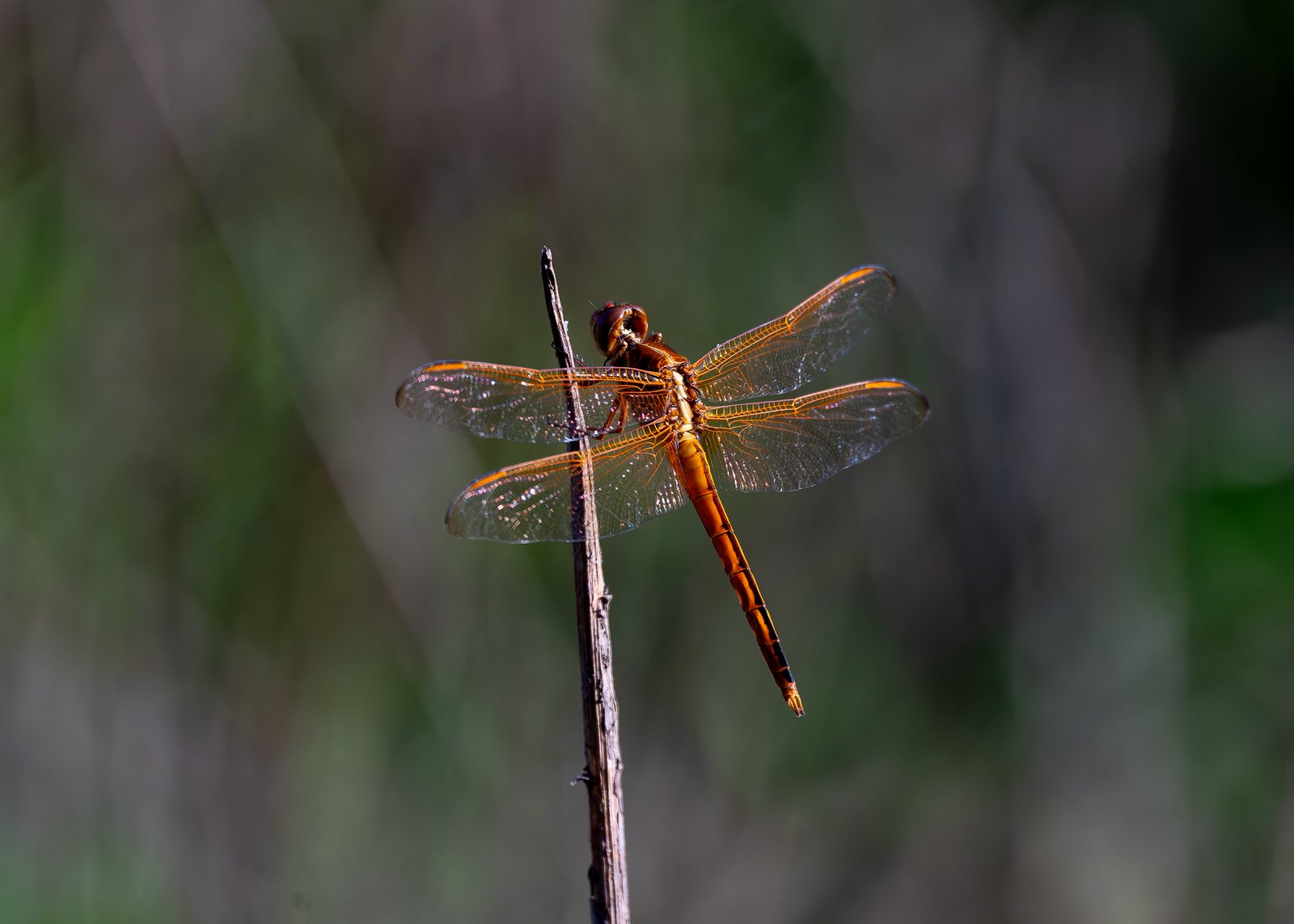
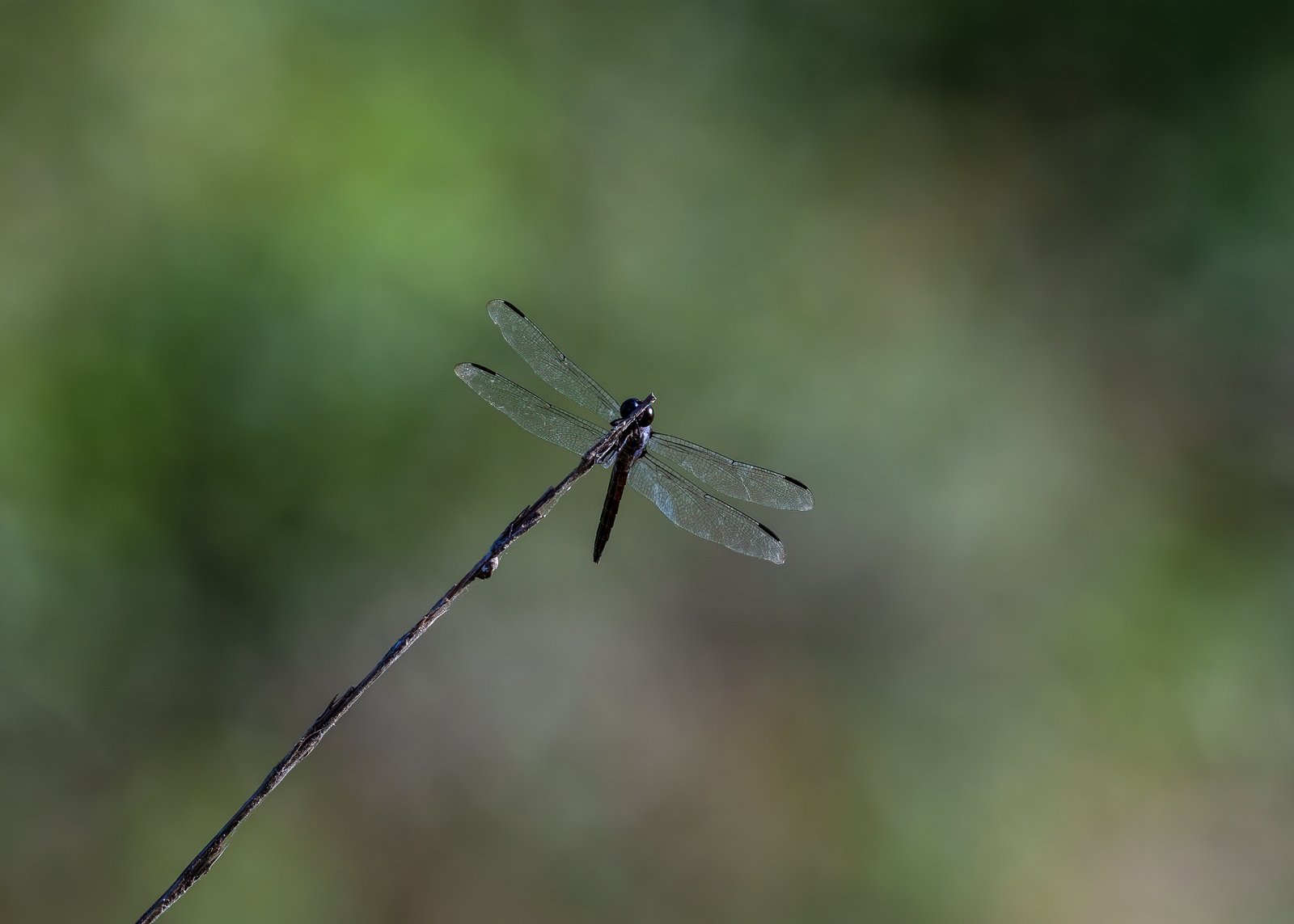
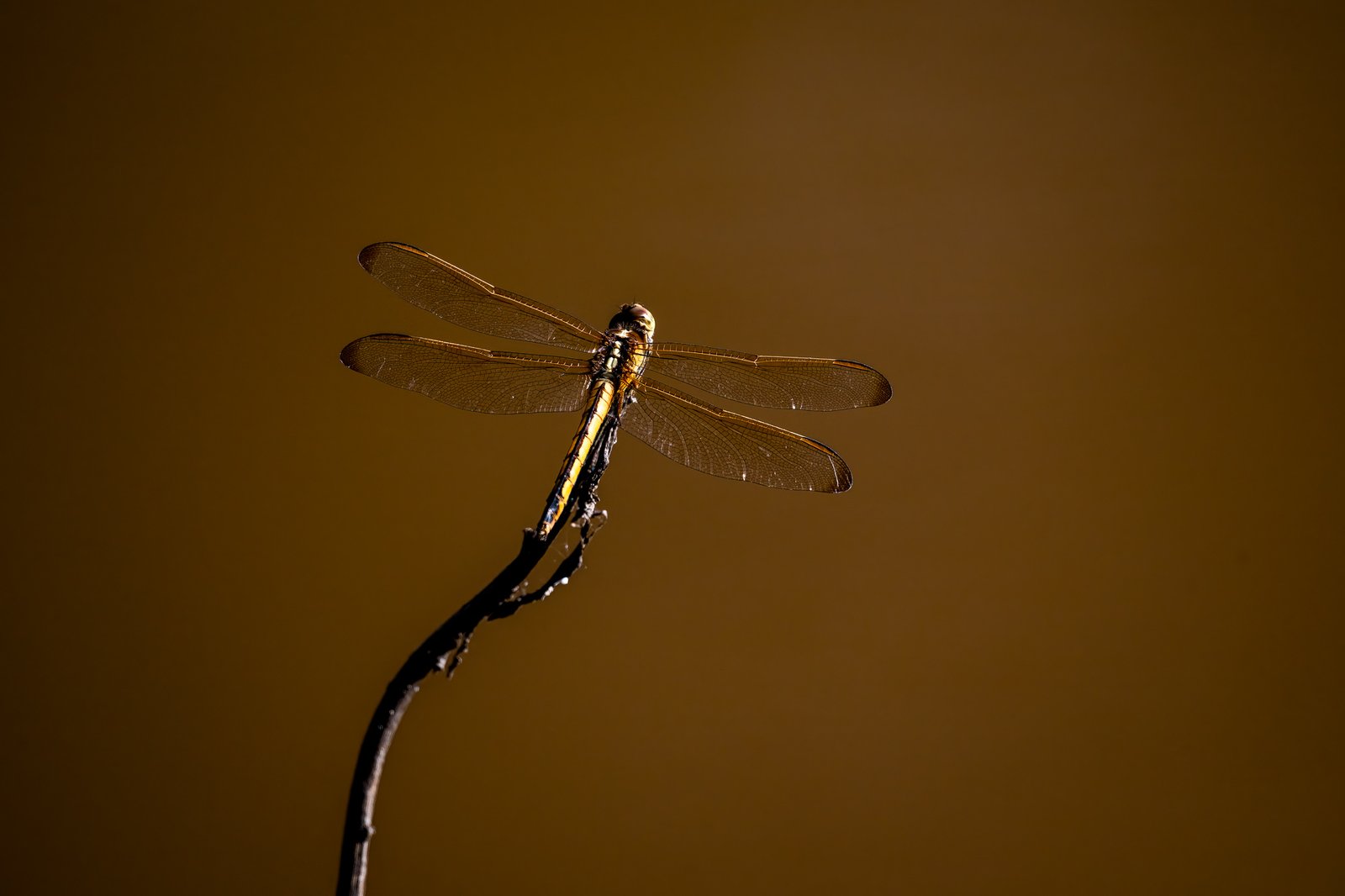
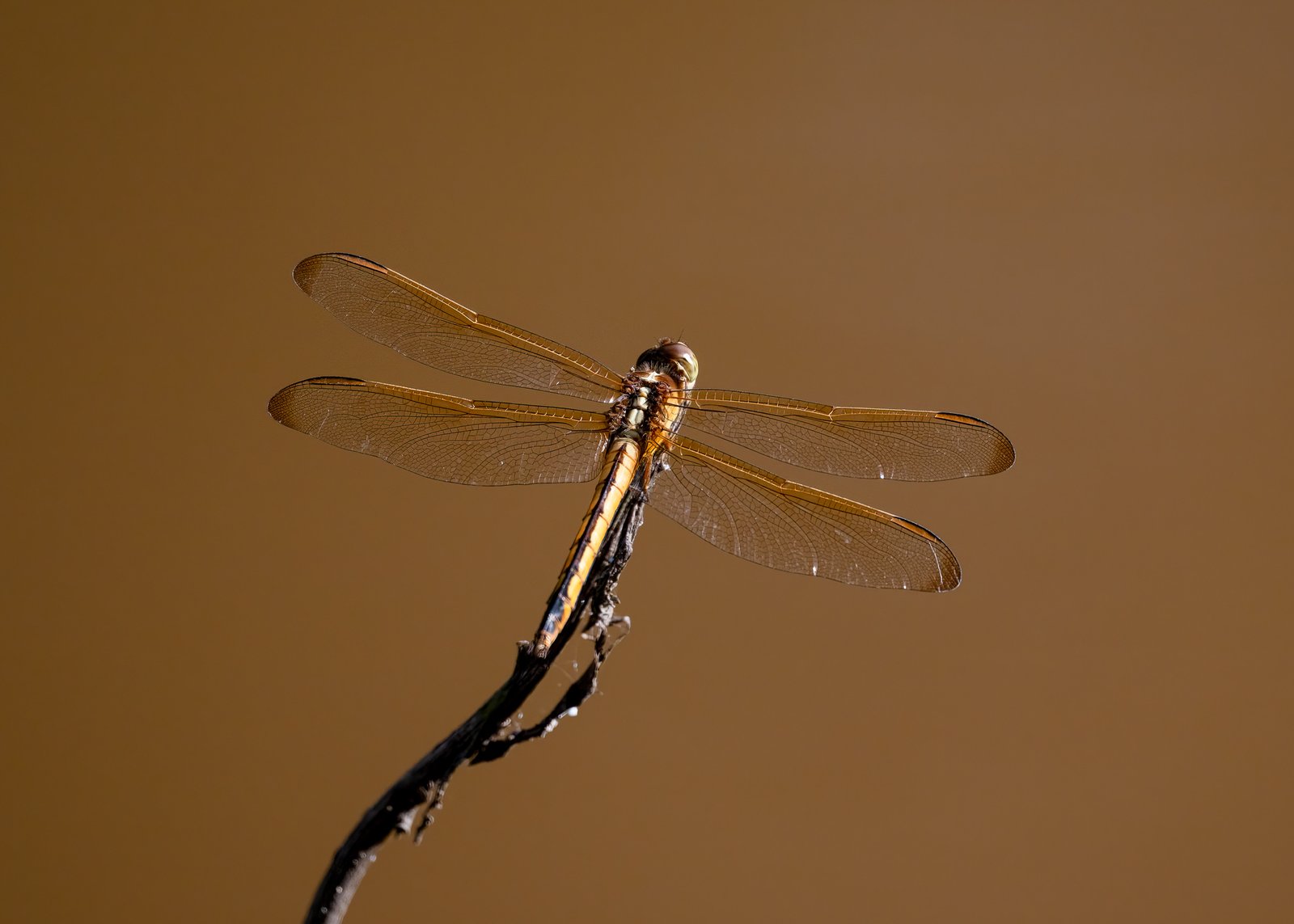
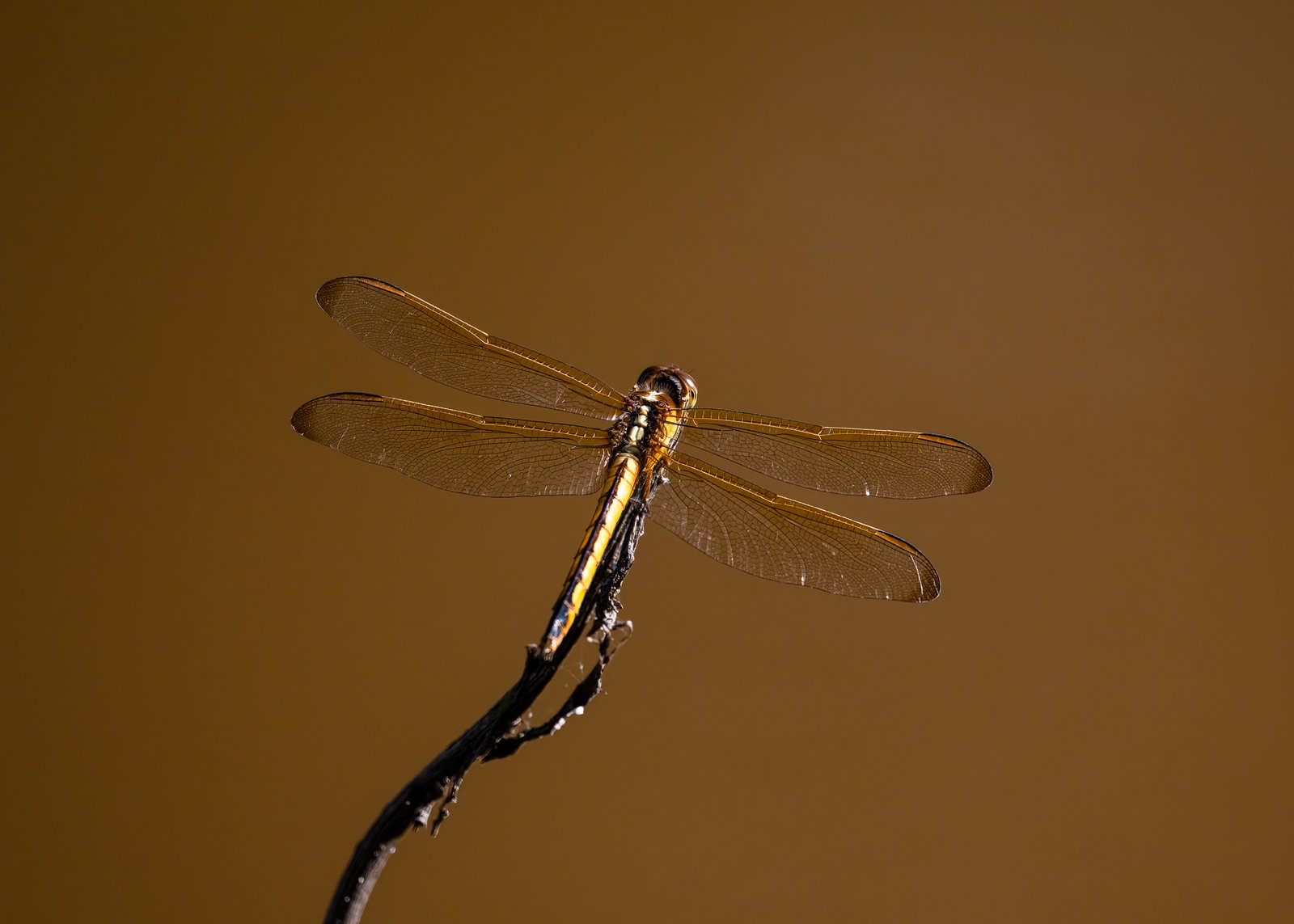
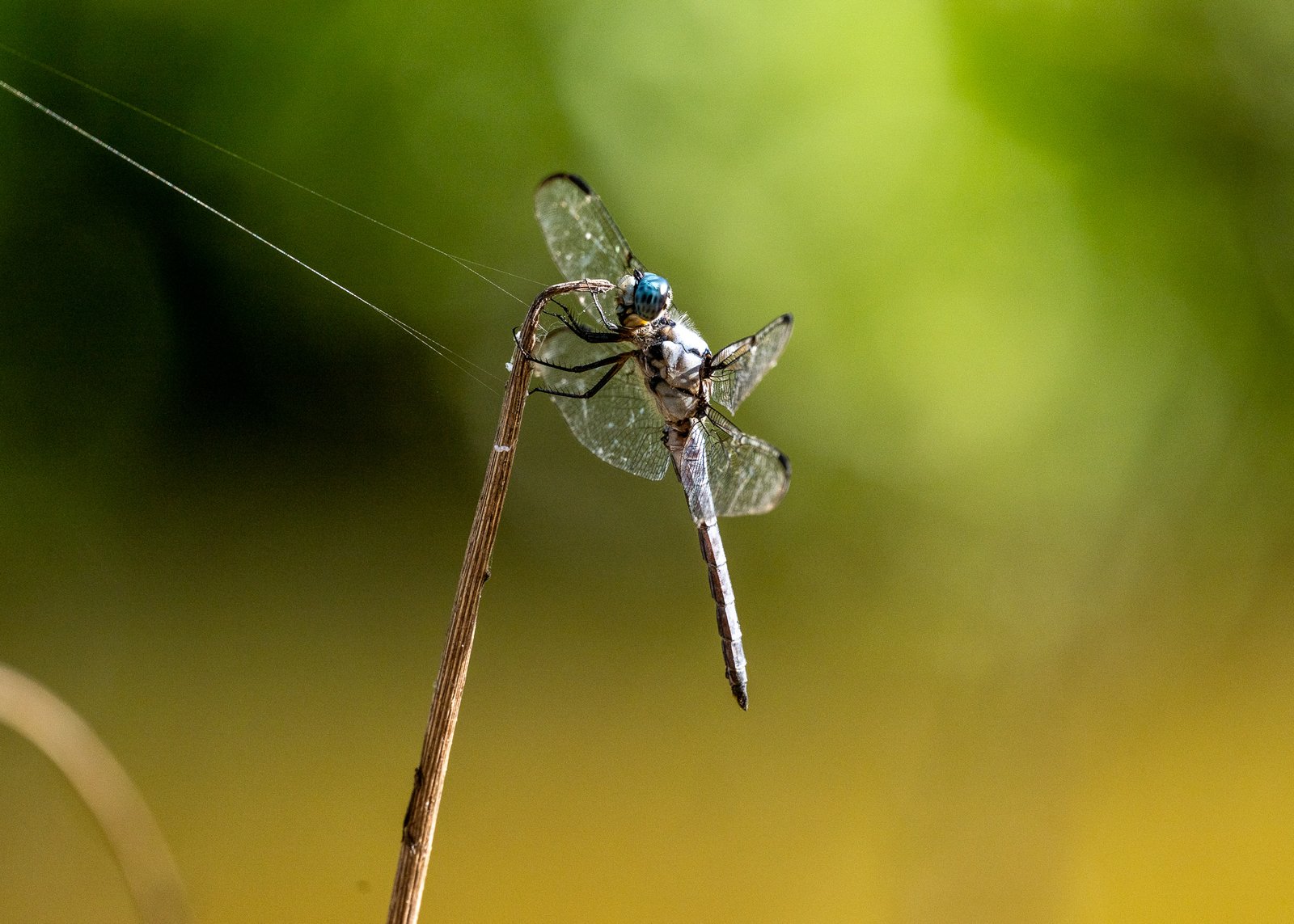
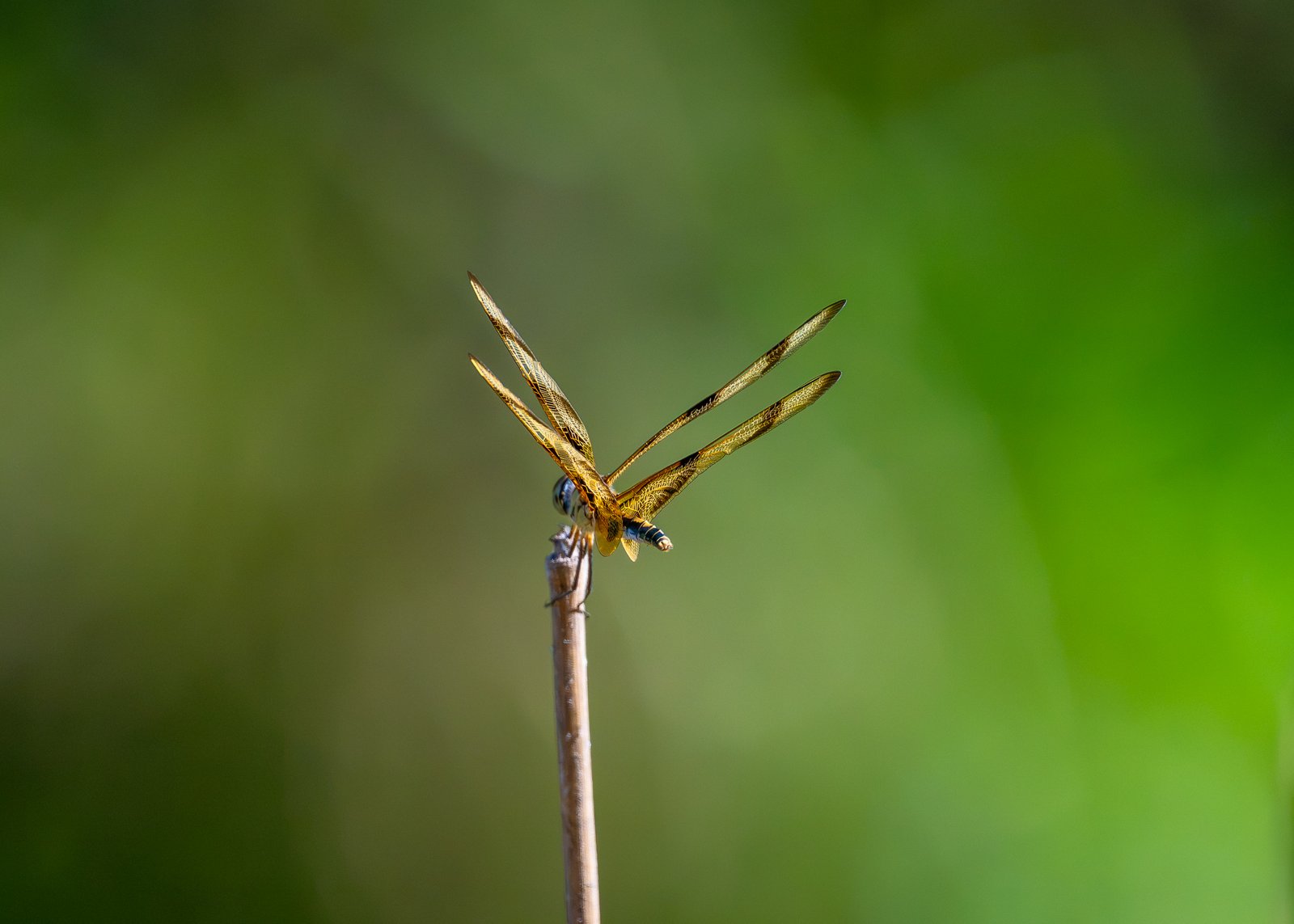
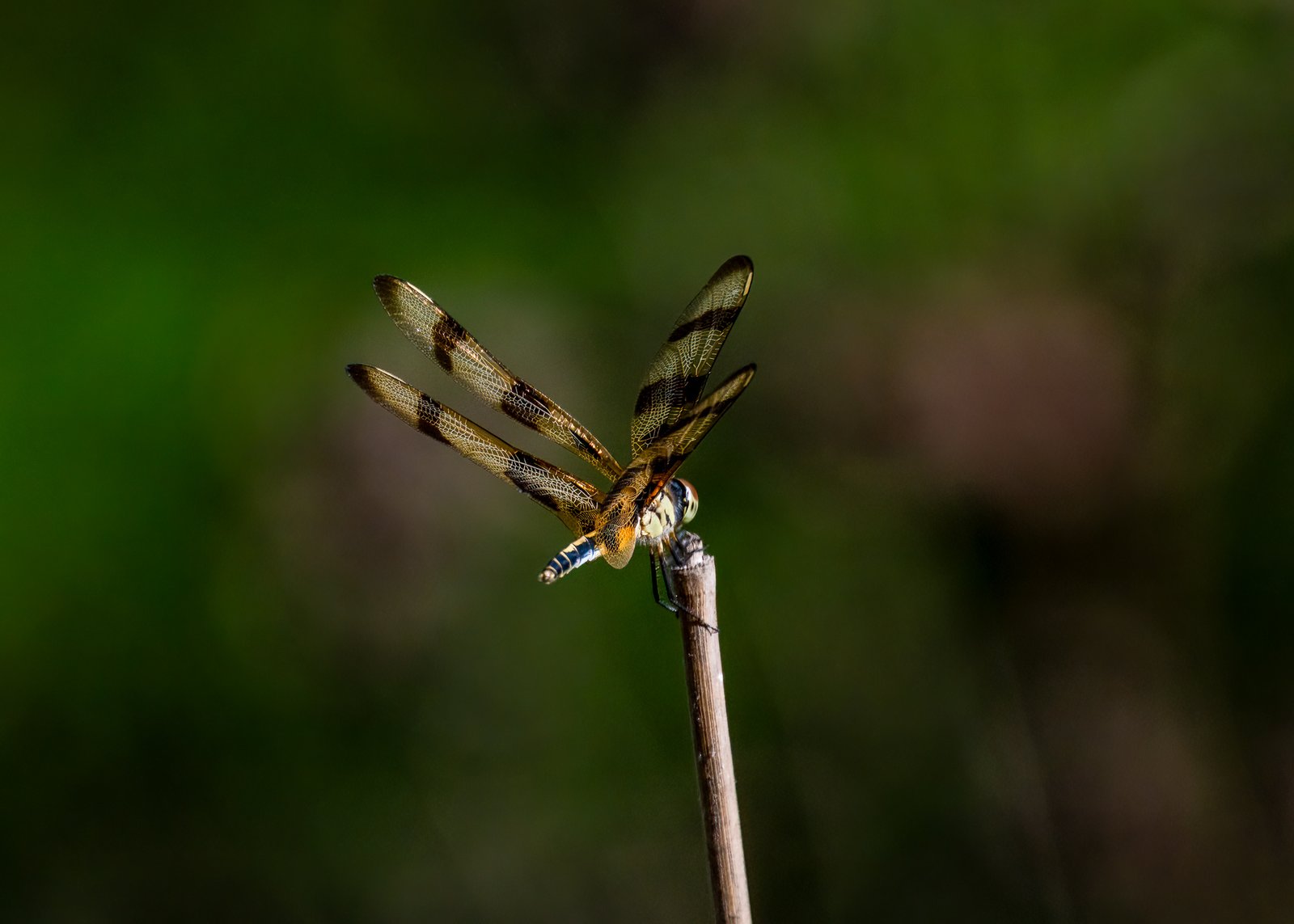
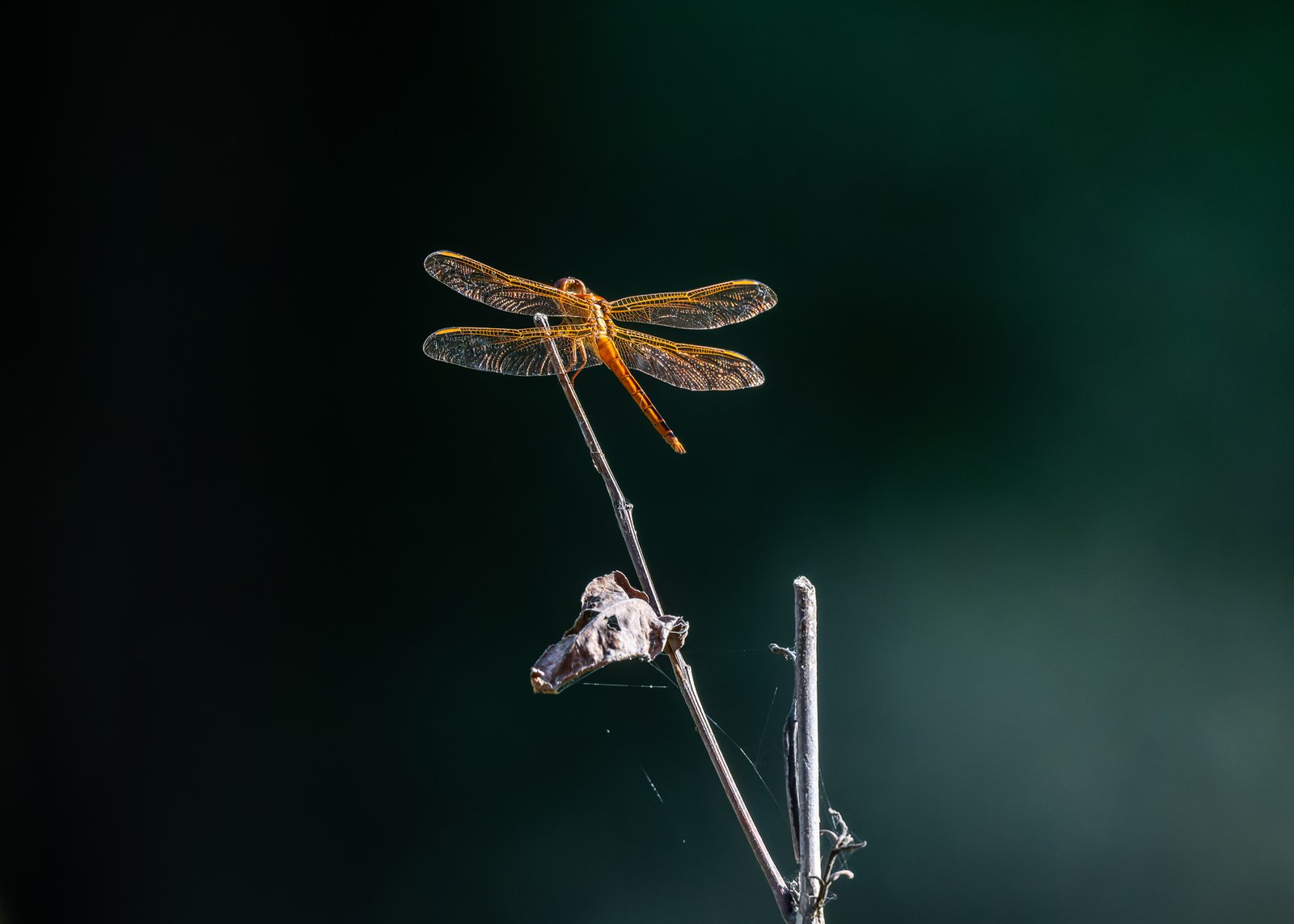
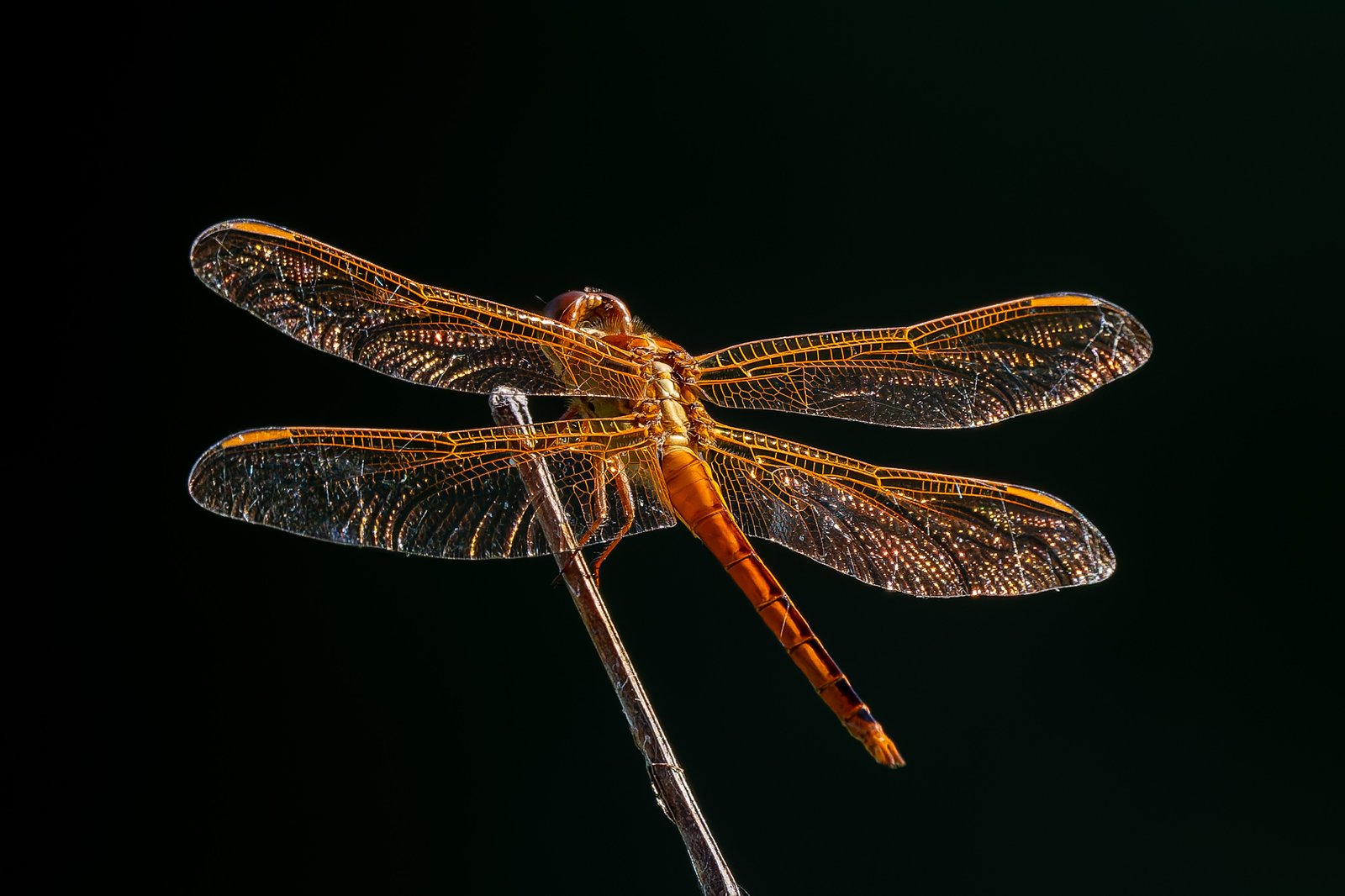
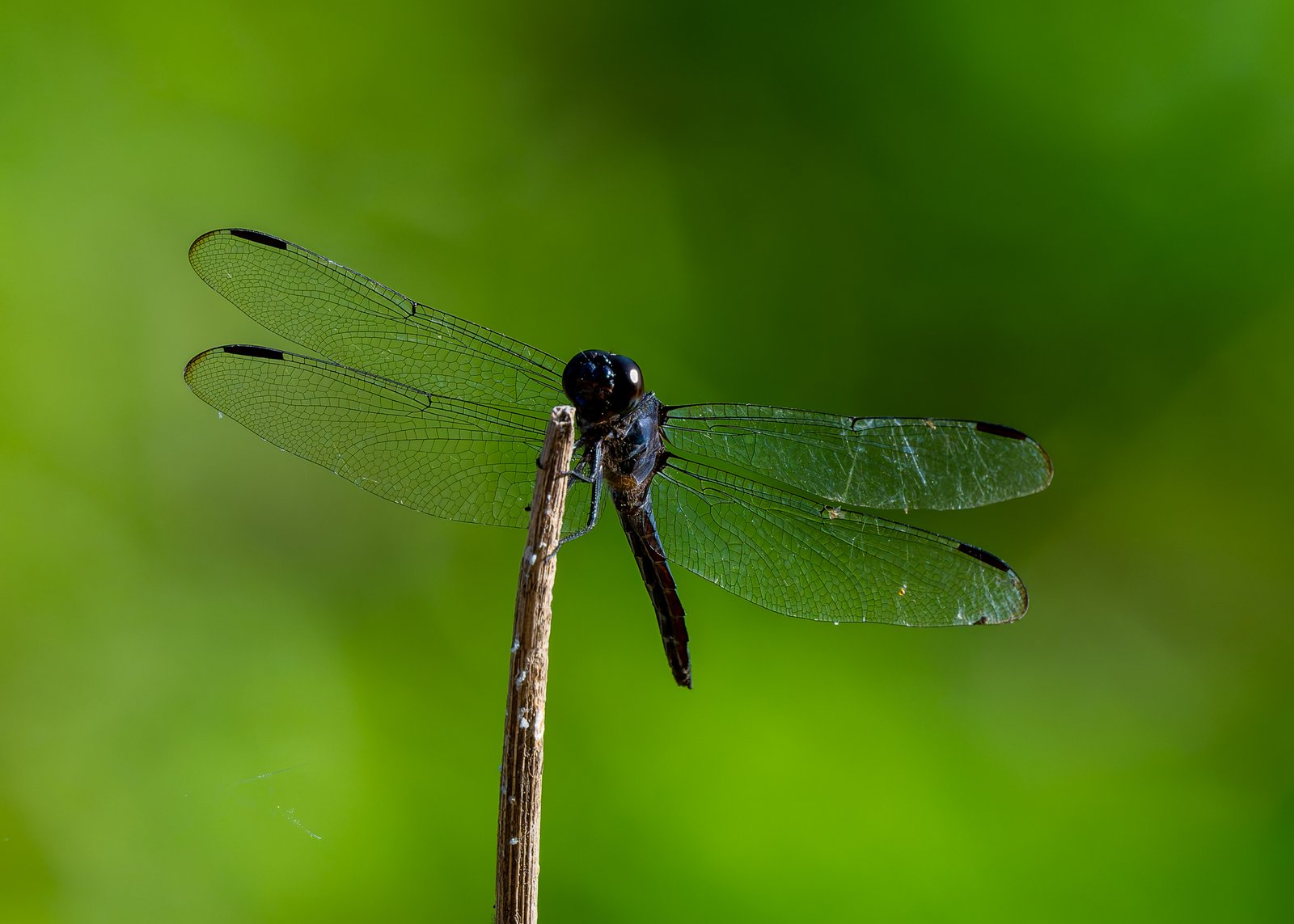
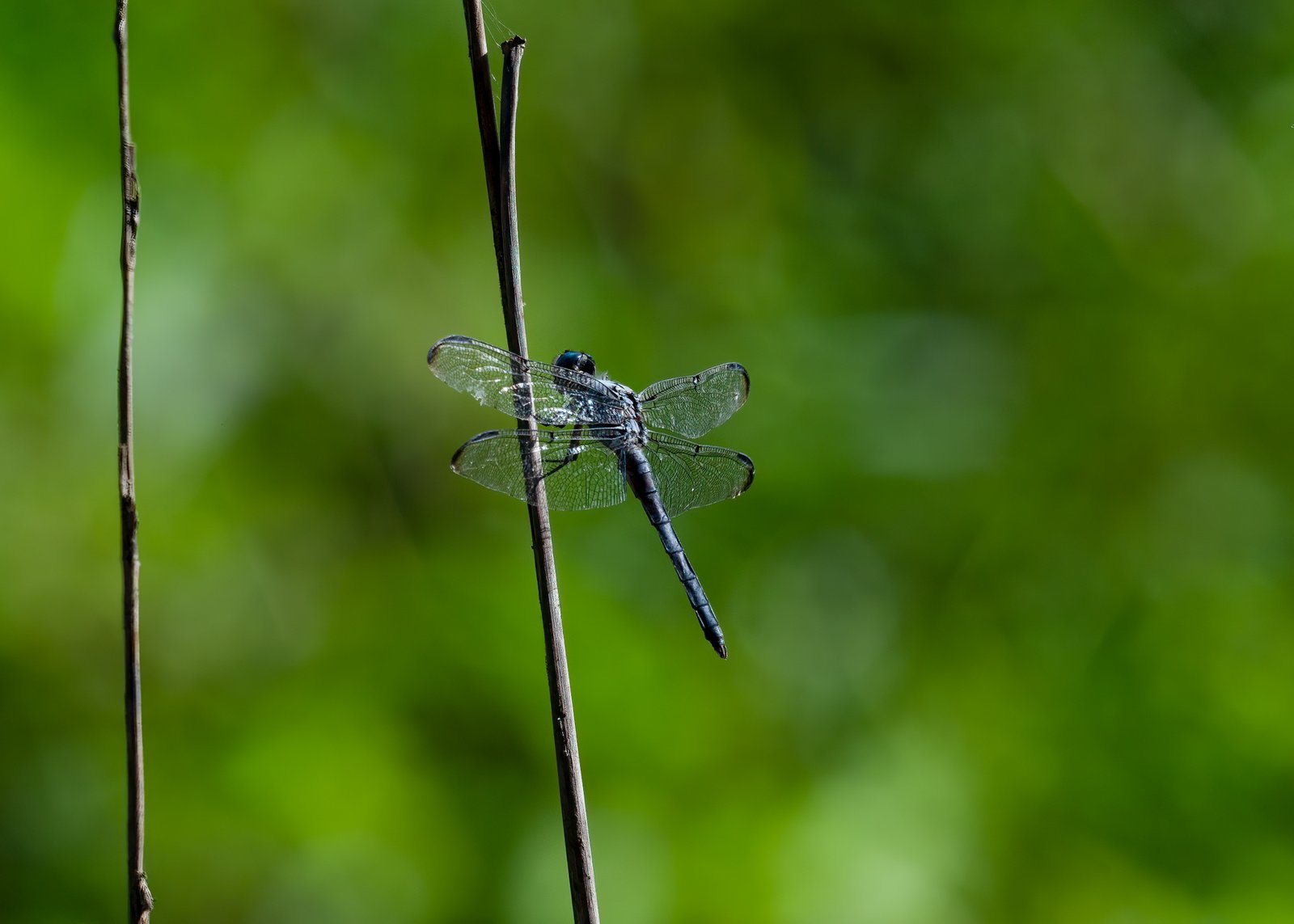
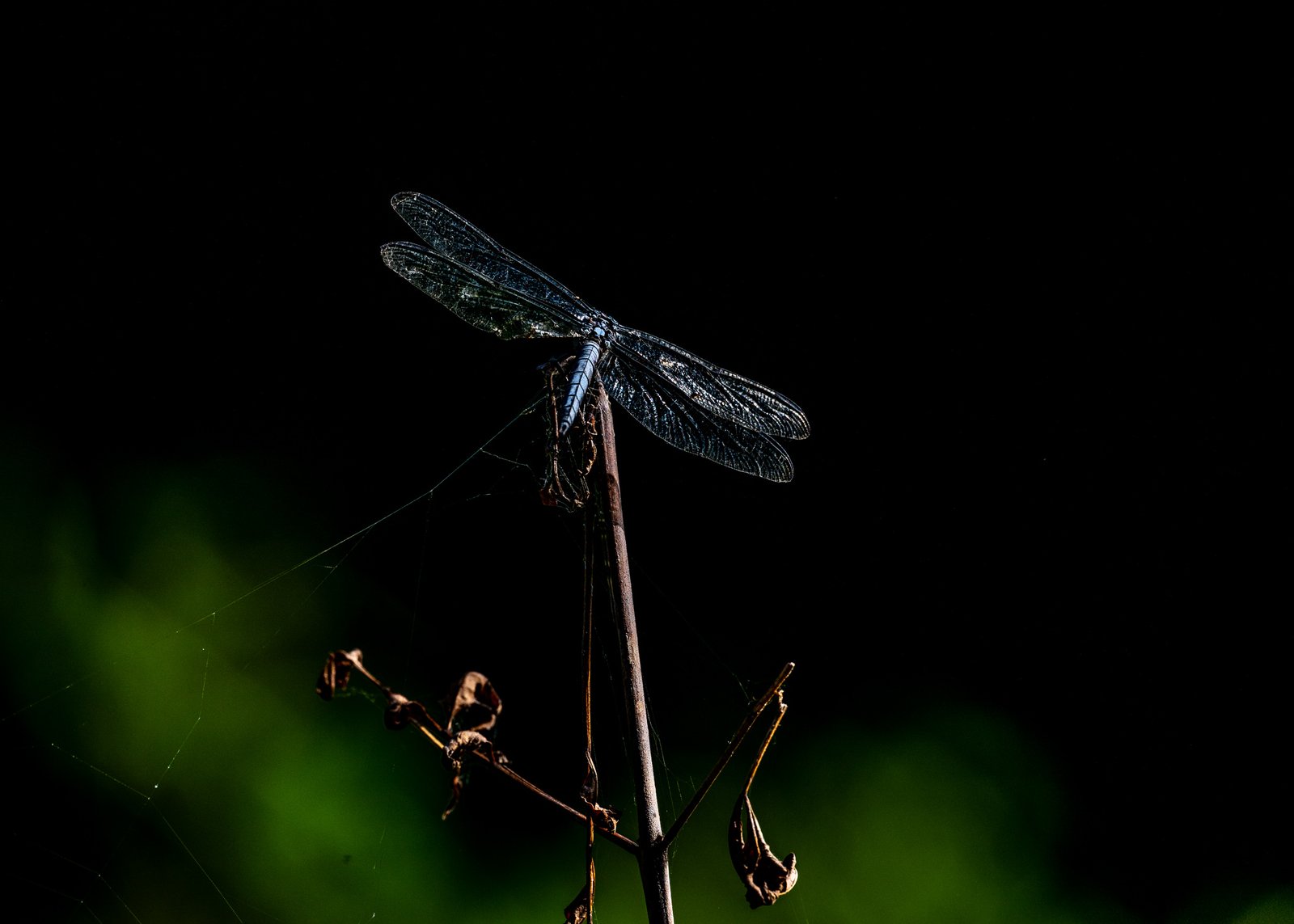
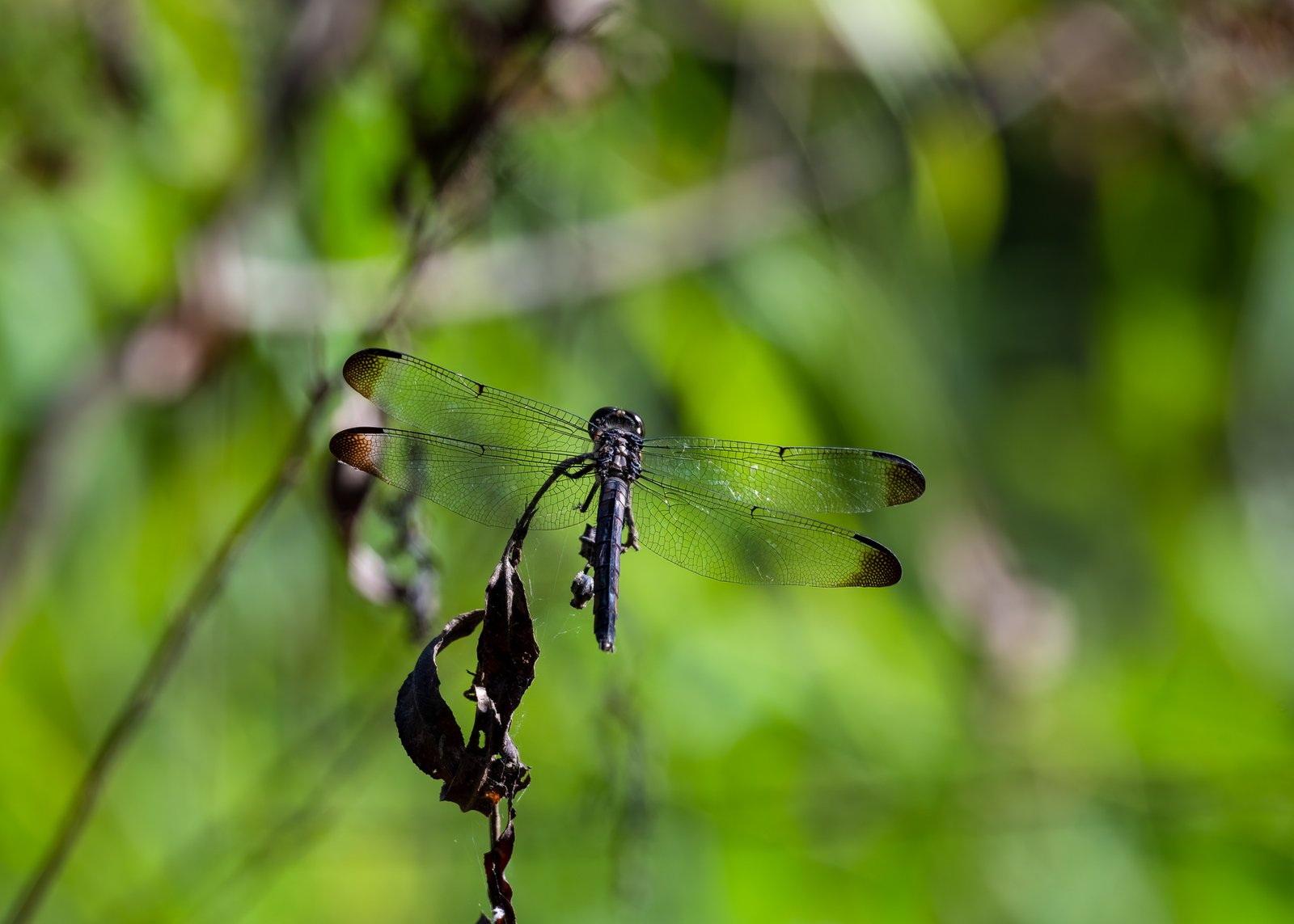
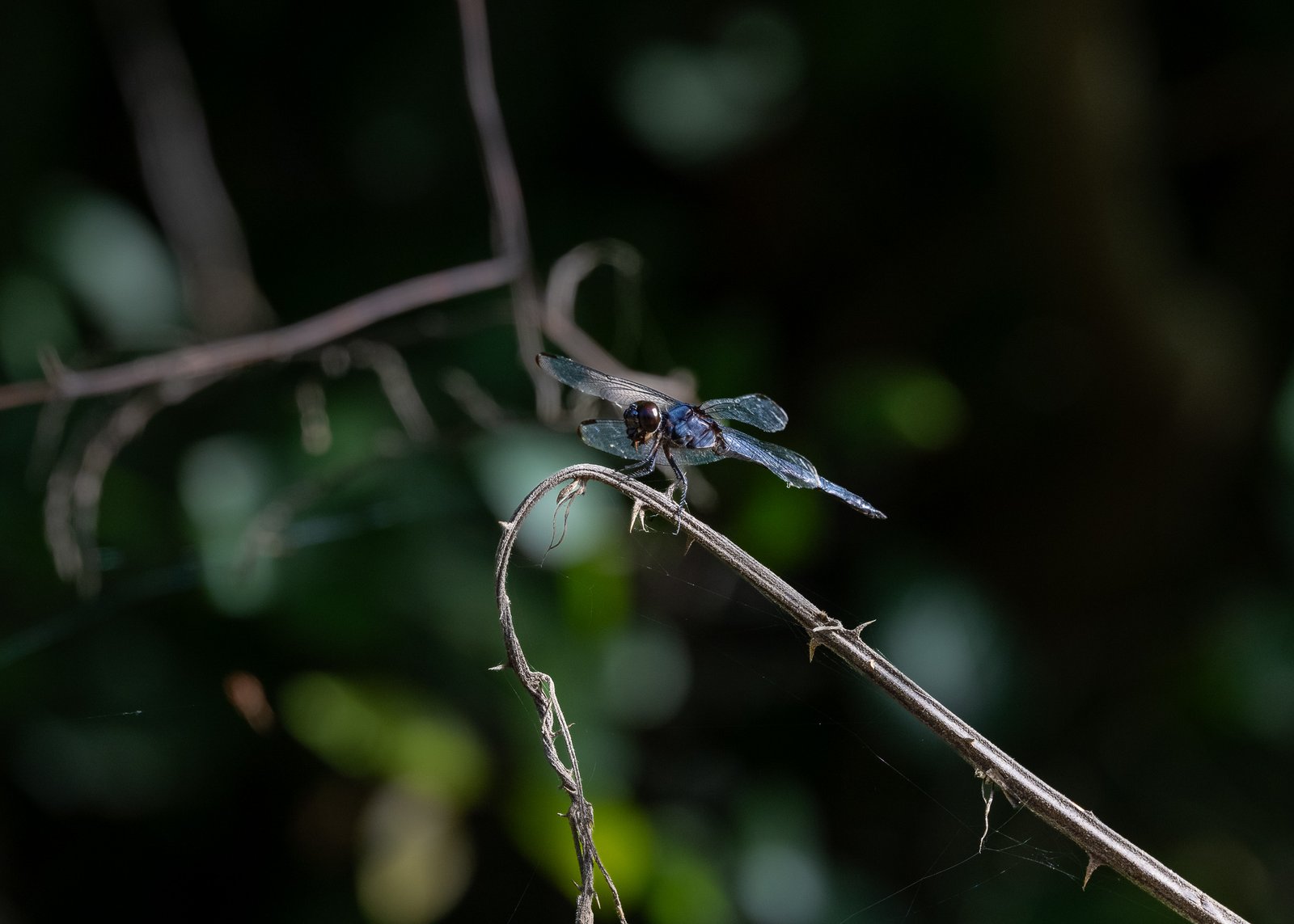
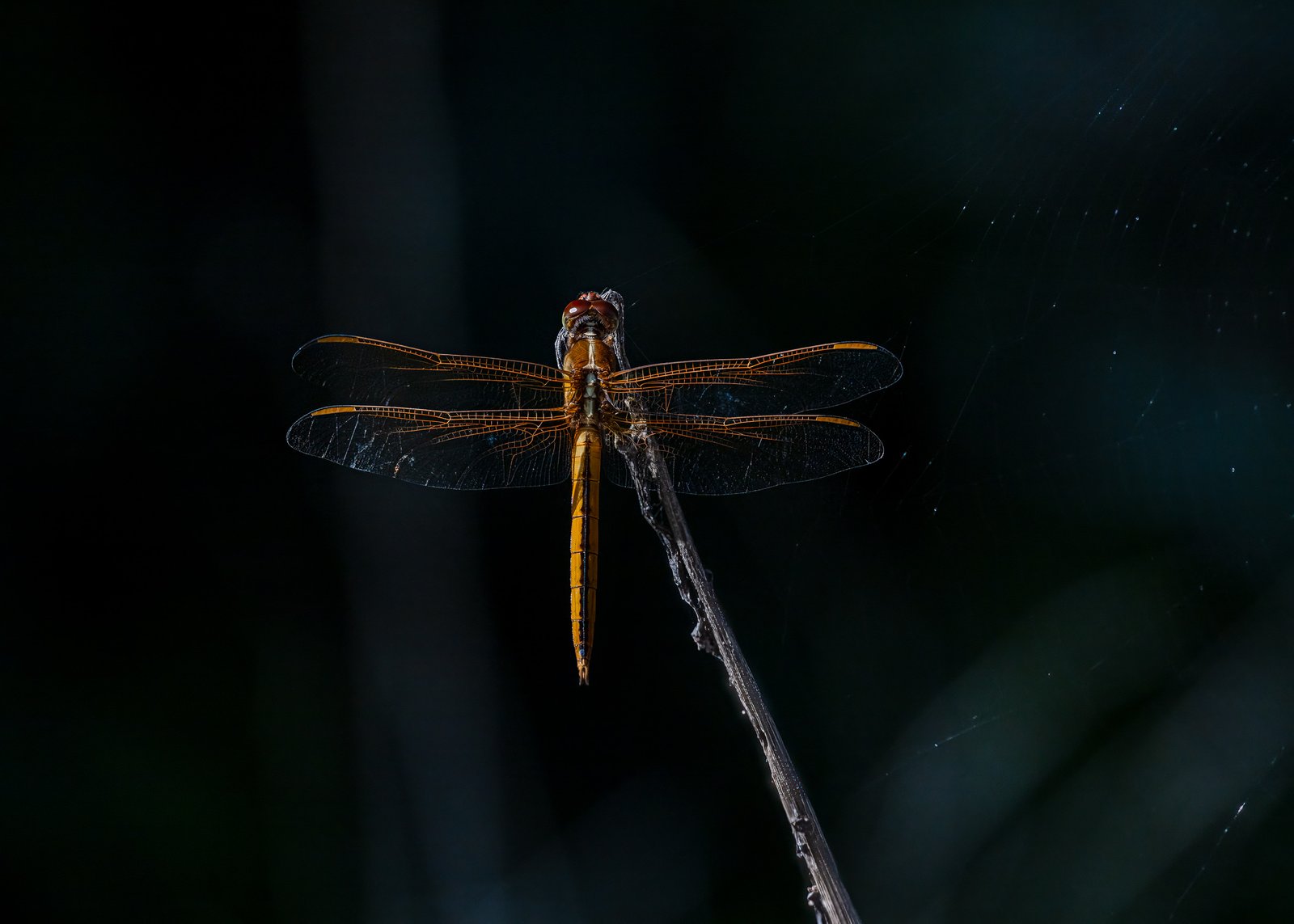
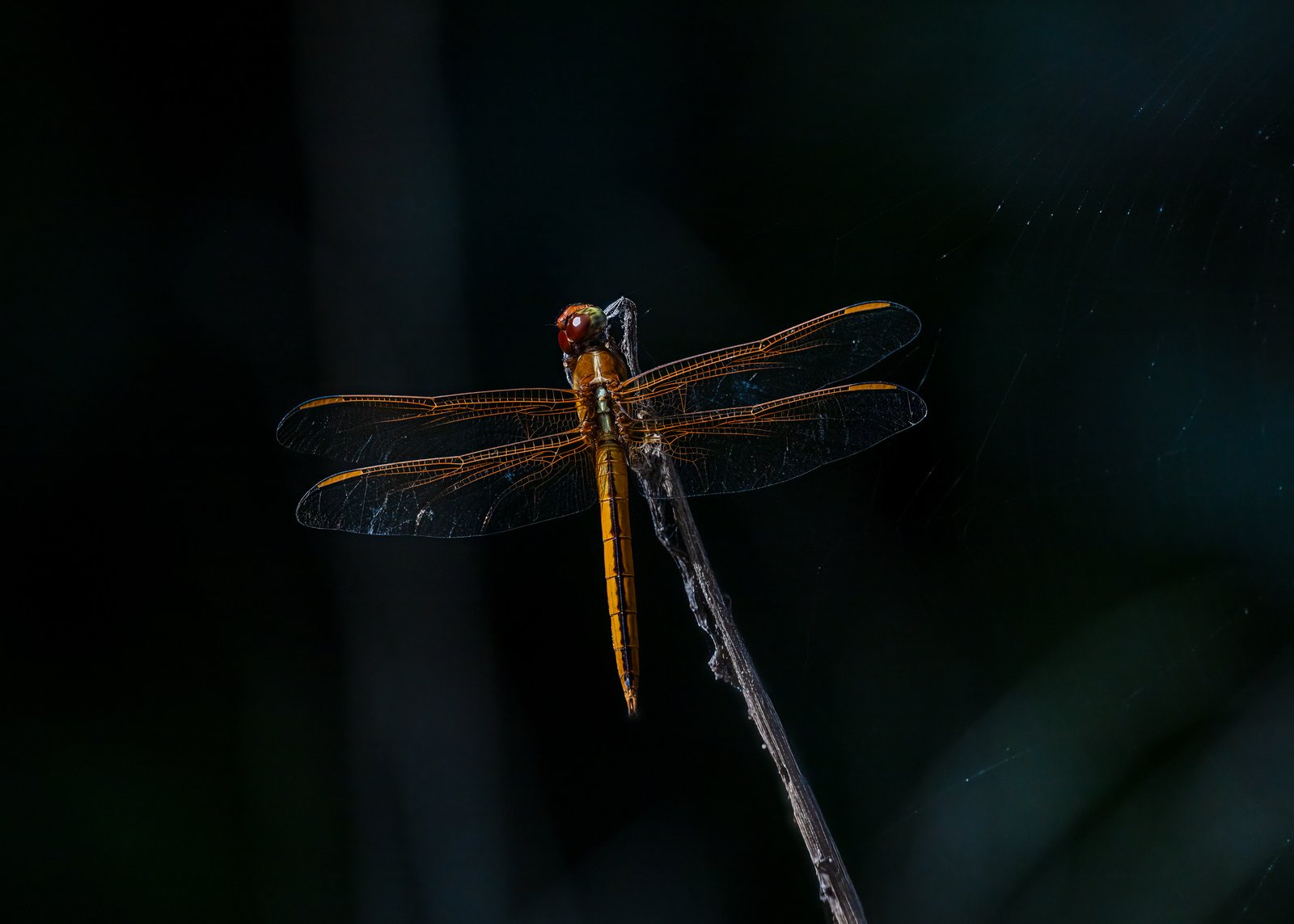
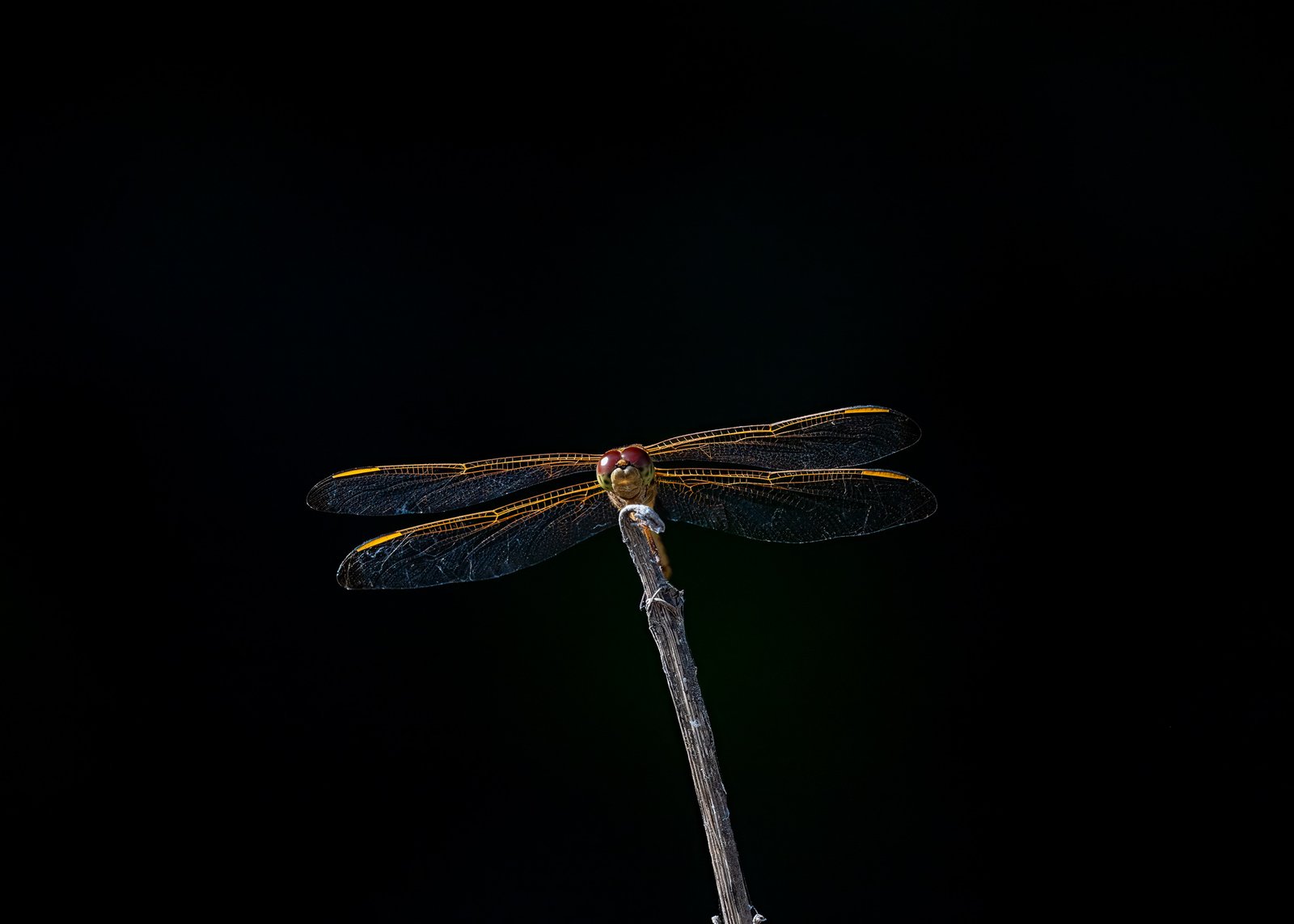
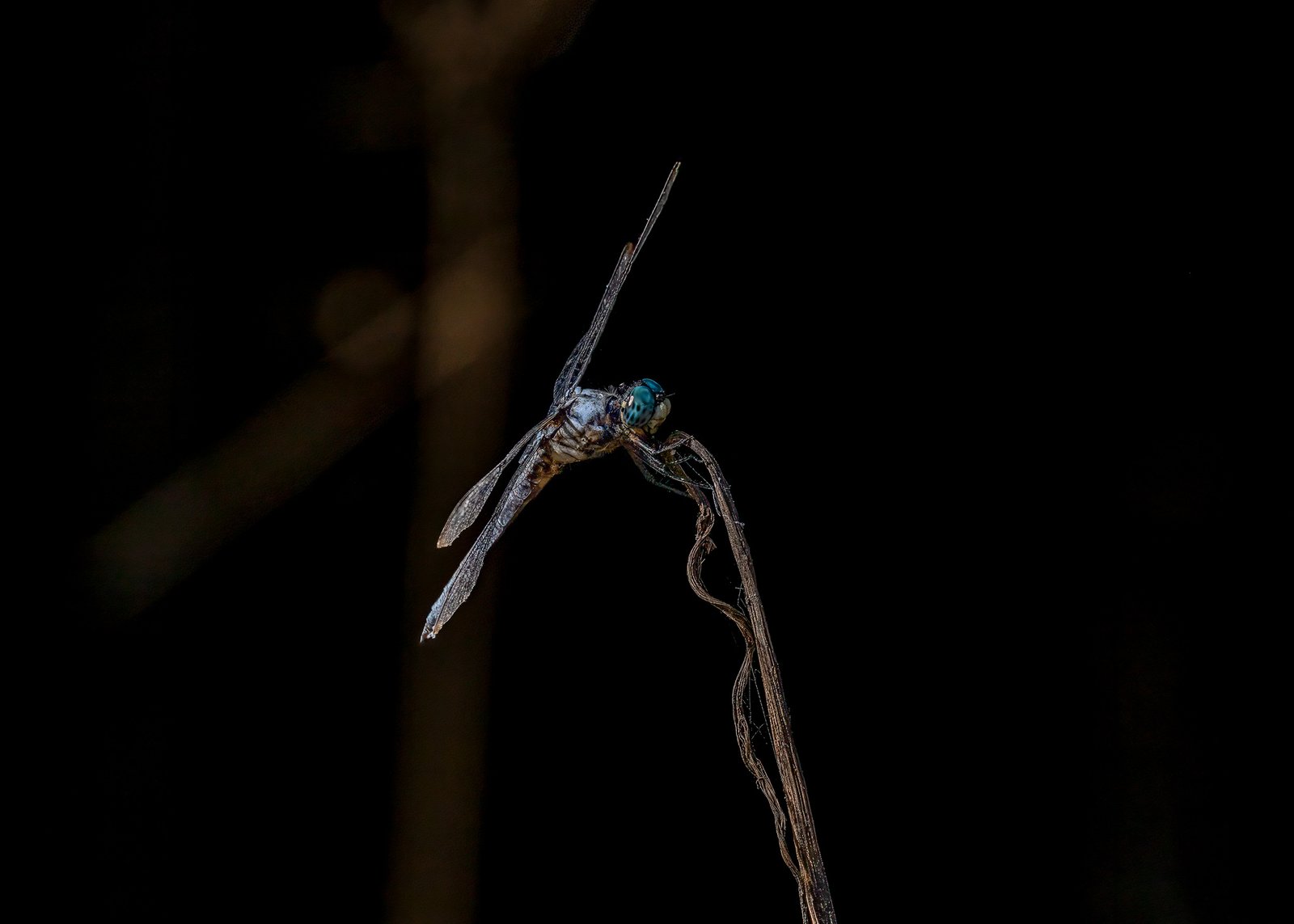
Post Dragon Flies.
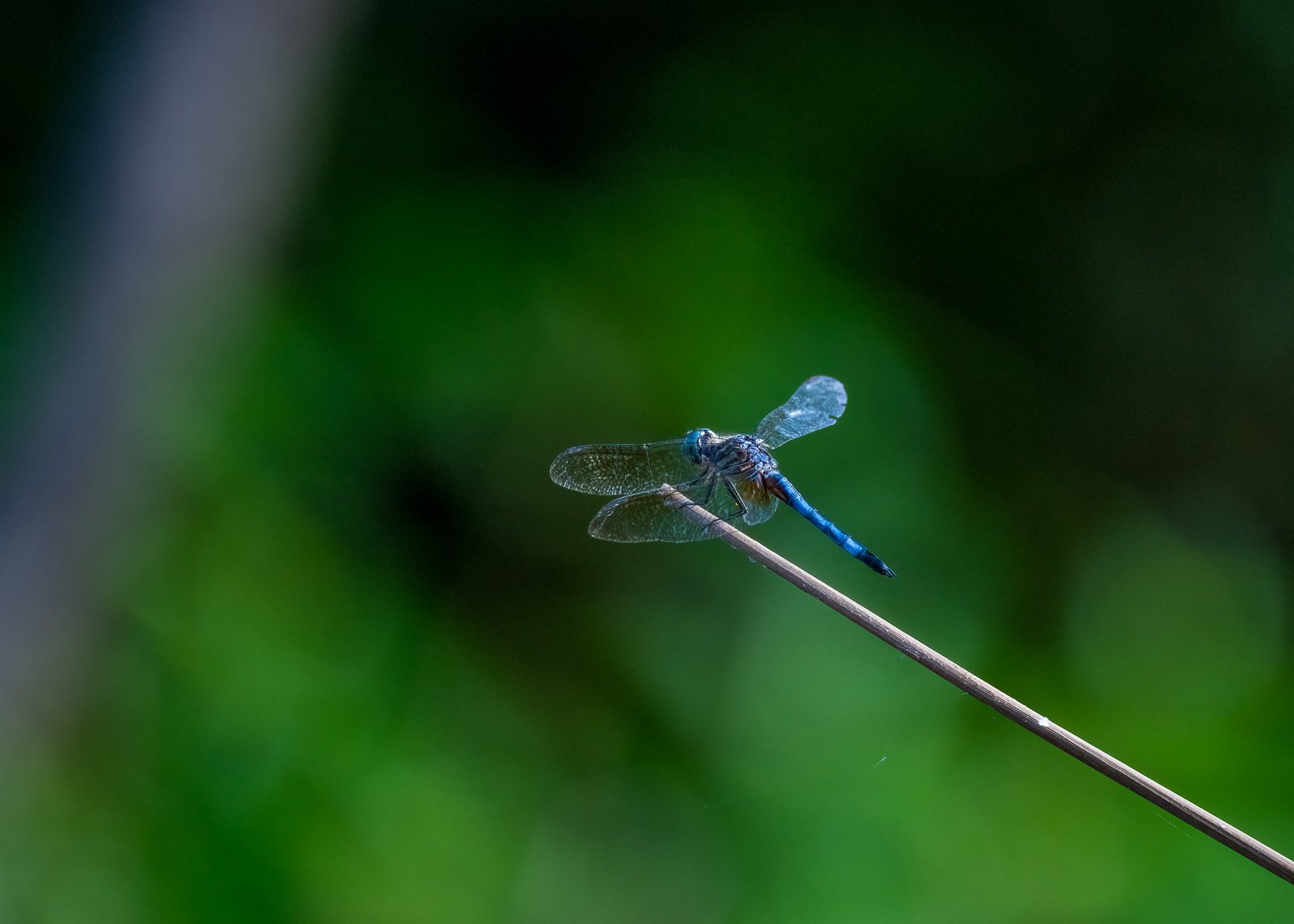
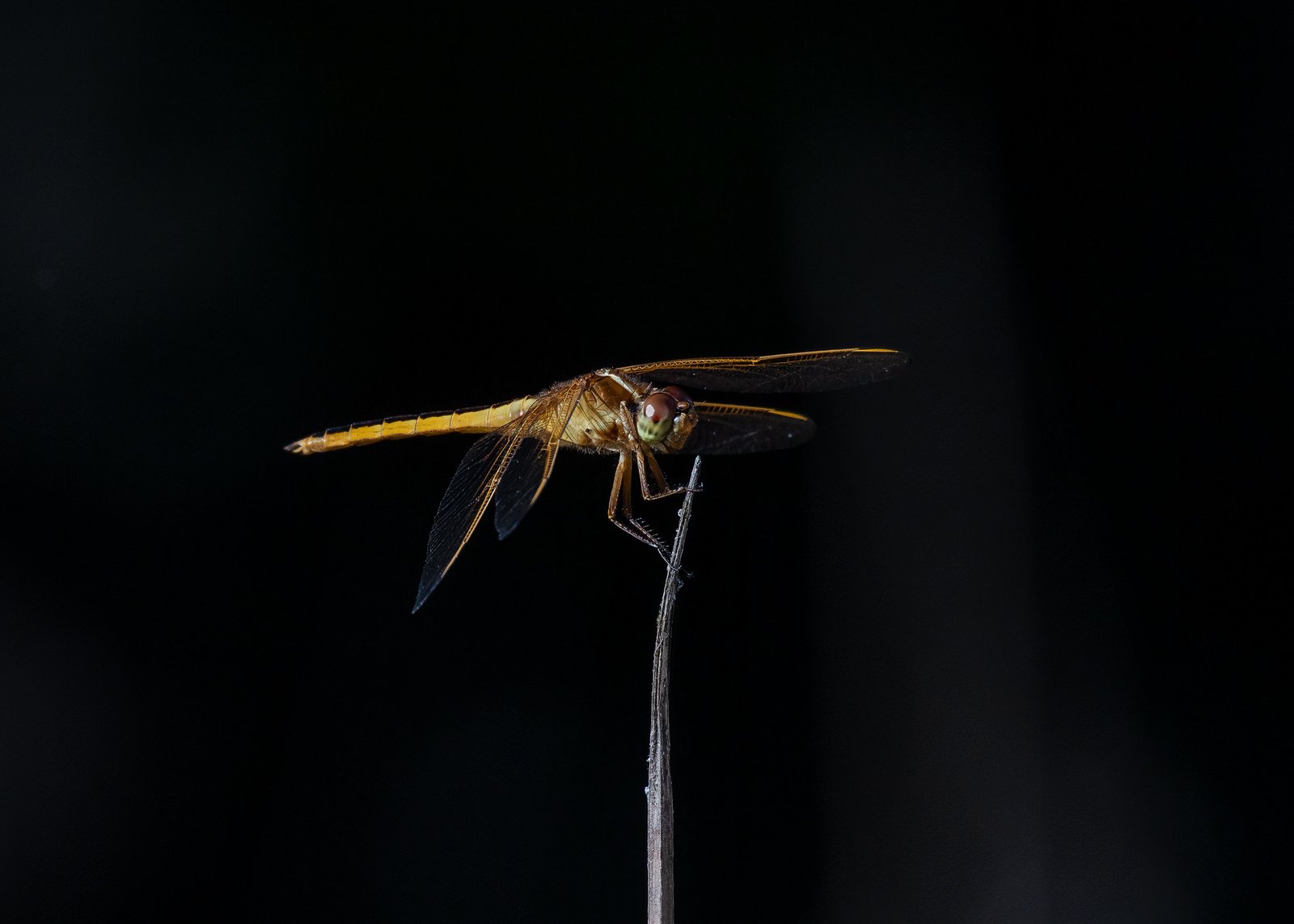
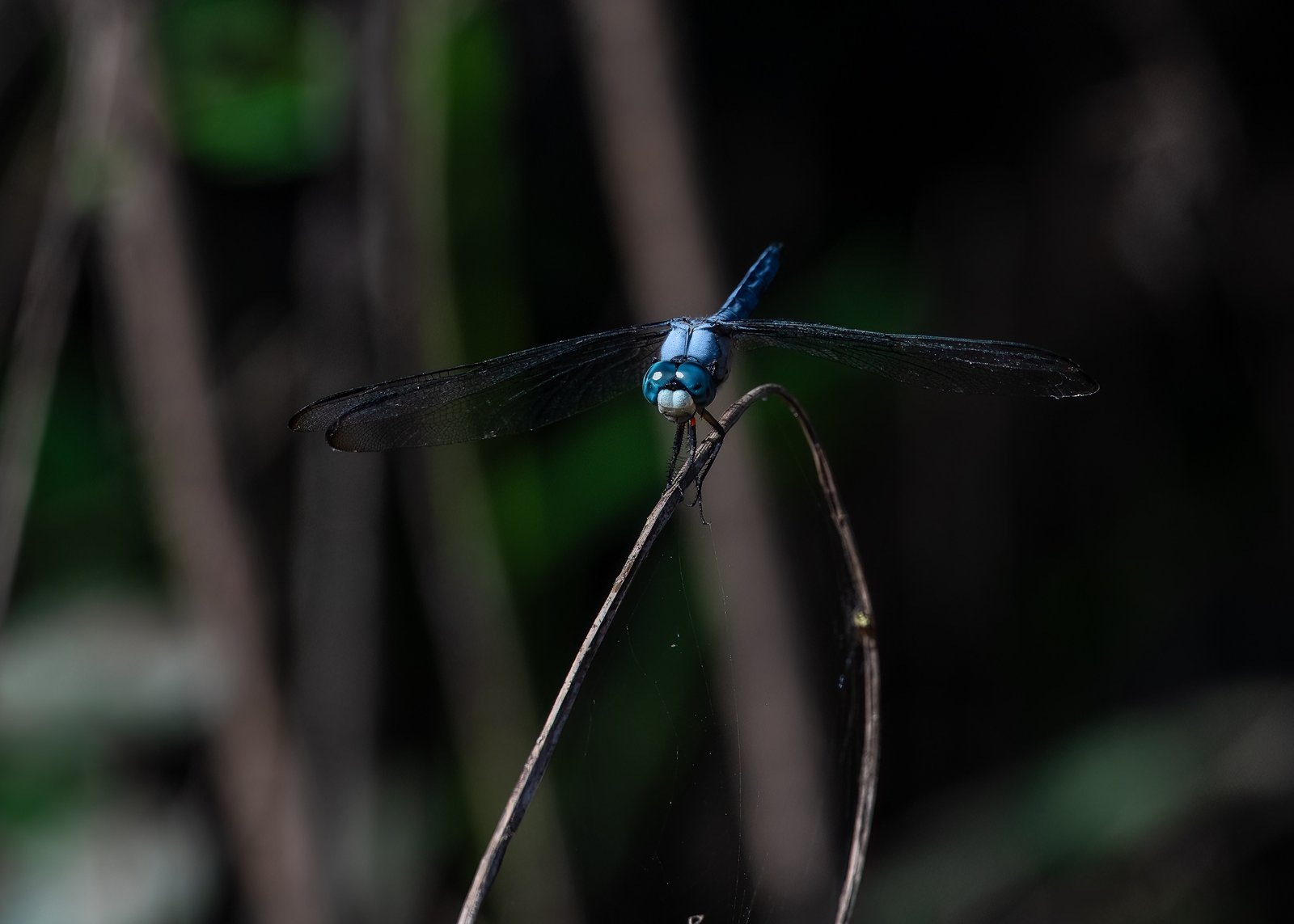
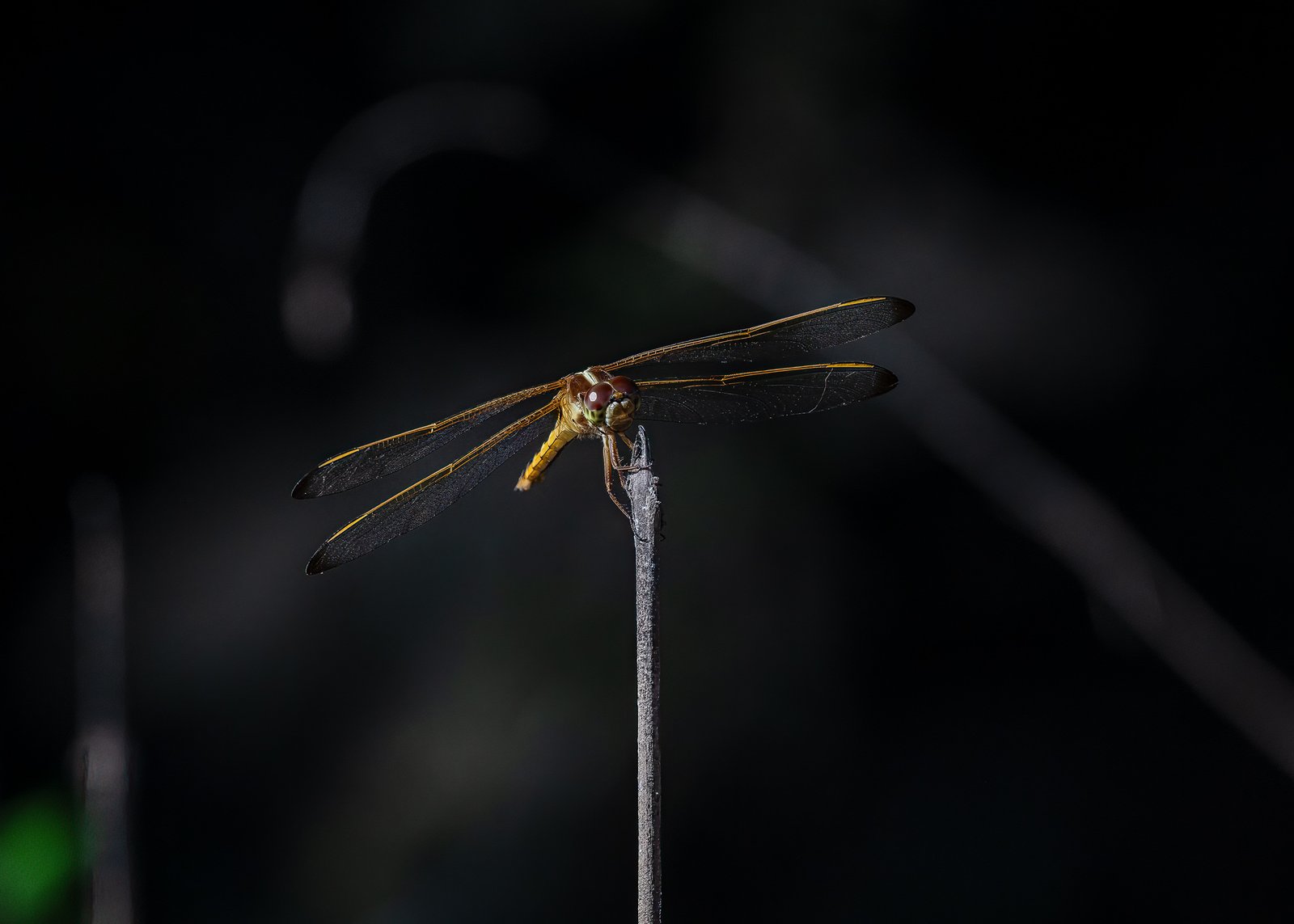
There were dragon flies everywhere and I was able to get very close, which is pretty cool when I get back and study the images. What I soon discovered was how much I have to learn about dragonflies, how many they are and the challenge in identifying them. Some I simply call skimmers because my resources disagree on their identity, but that is like more inexperienced in their uniquenesses. Please if you see one you are sure of the name, tell me. That helps me learn and others also.
Engineered for the Air
If aeronautical engineers designed an insect, it would look like a dragonfly. Unlike most flying insects, whose wings flap passively by flexing their thorax, a dragonfly controls each of its four wings independently with dedicated muscle groups. They can fly backward, upside down, hover motionless, and accelerate to 30 miles per hour in a fraction of a second. They have been refining this exact craft for 300 million years; mastering the air long before the first bird ever took flight.
That evolutionary head start has made them the ultimate apex predators of the insect world. While a lion captures its prey roughly 25% of the time, dragonflies hunt with an extraordinary 95% success rate—making most terrestrial hunters look like amateurs.
Even more remarkable is their vision. Nearly their entire head is composed of compound eyes containing up to 30,000 individual lenses. While human visual perception operates on three color pigments (red, green, and blue), dragonflies can process up to 30 different color pigments, including ultraviolet and polarized light. What looks to us like a simple flash of blue or green over the bayou water is, to them, an intricate display of spectrums we can barely imagine.

“Earth provides enough to satisfy every man’s needs, but not every man’s greed.”
Mahatma Gandhi