Rare Sightings
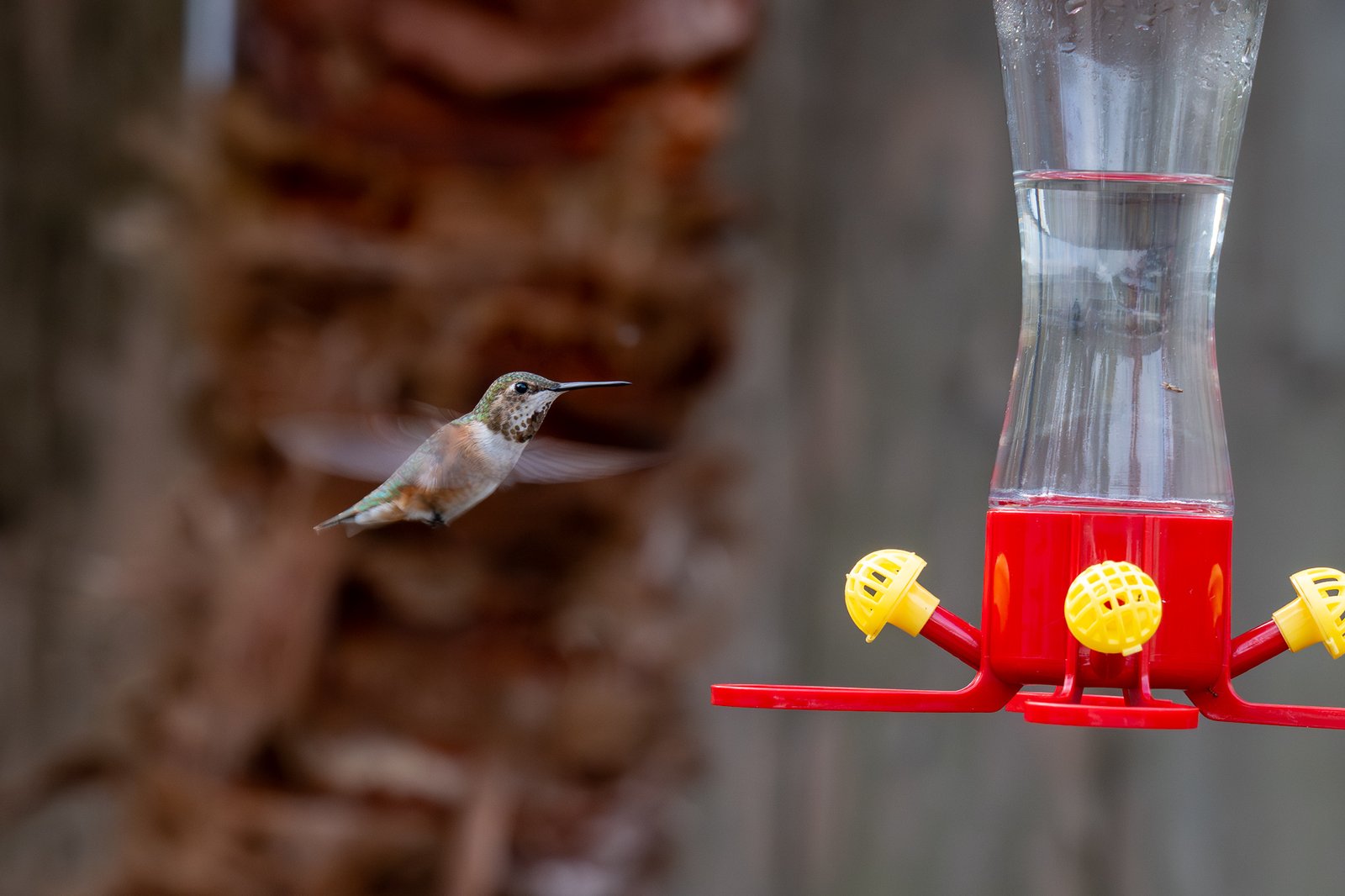
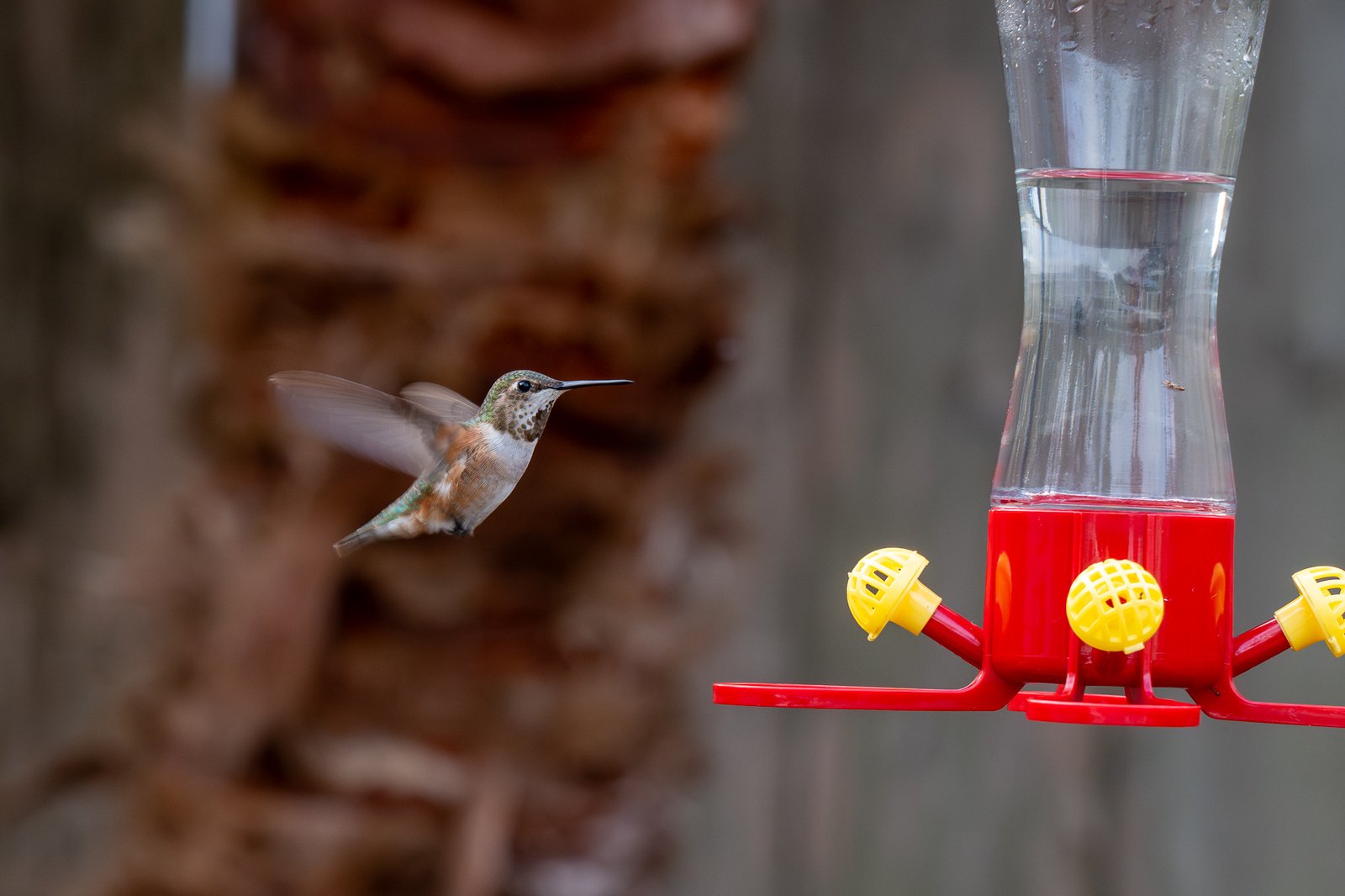
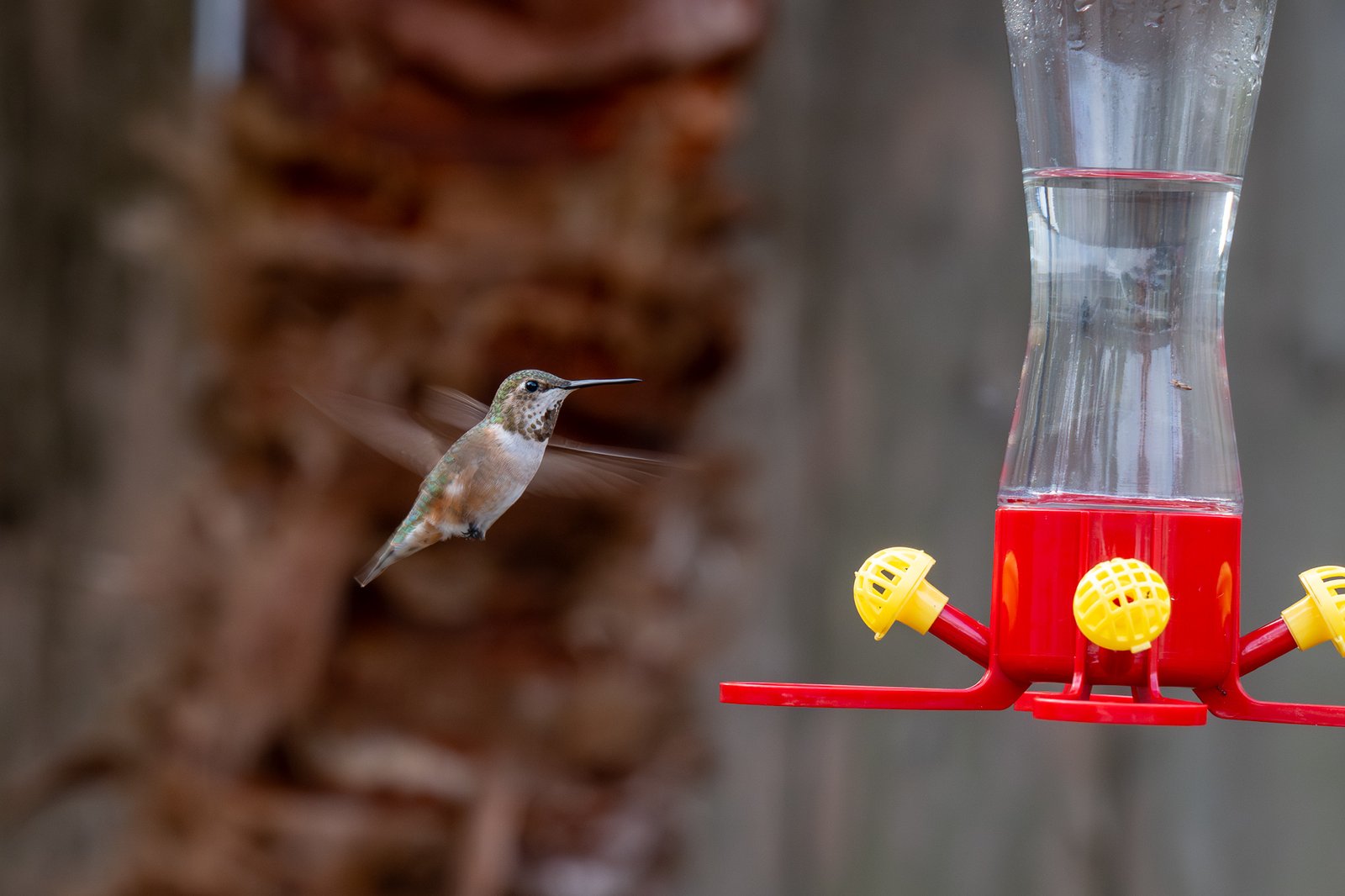
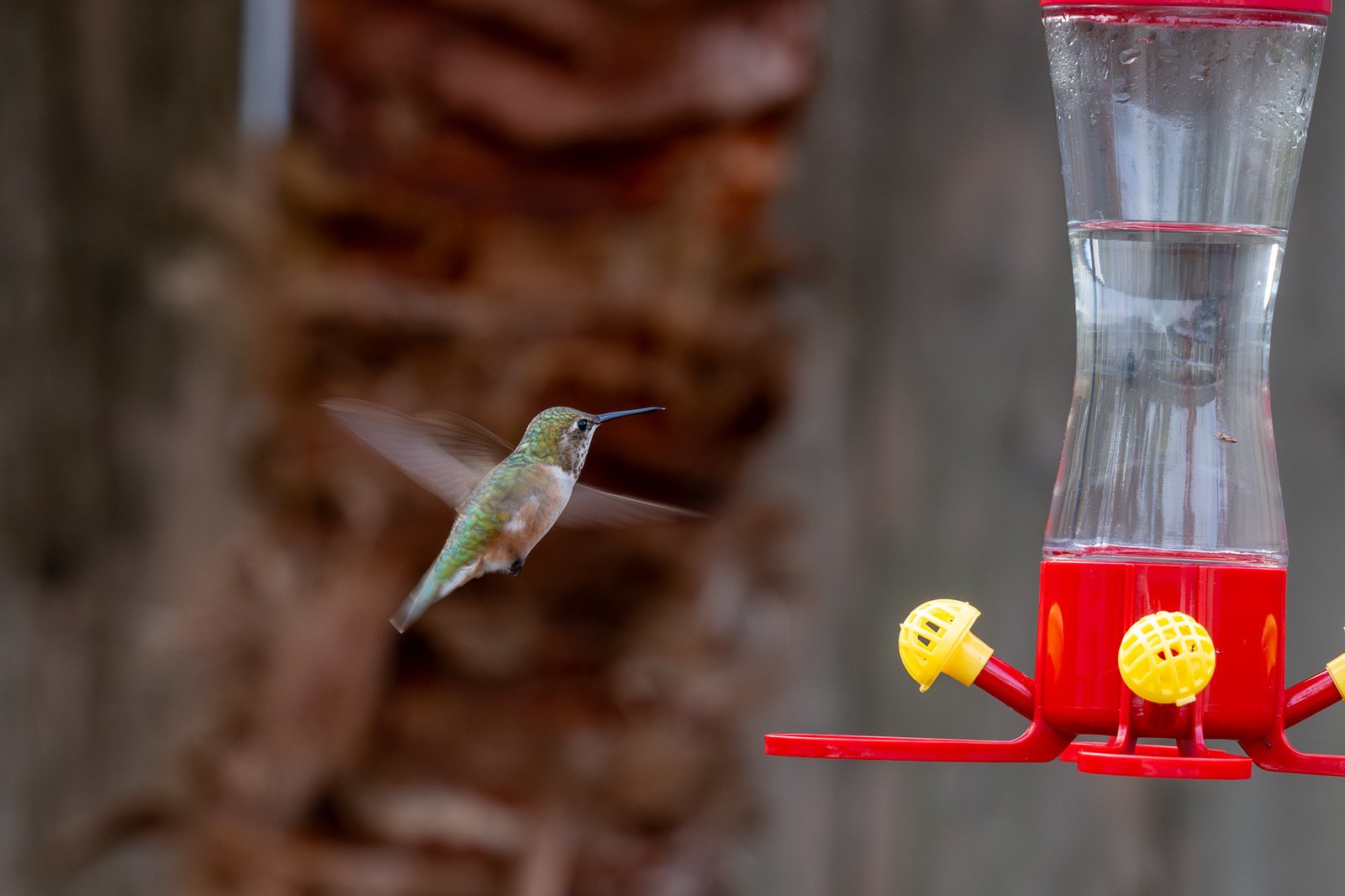
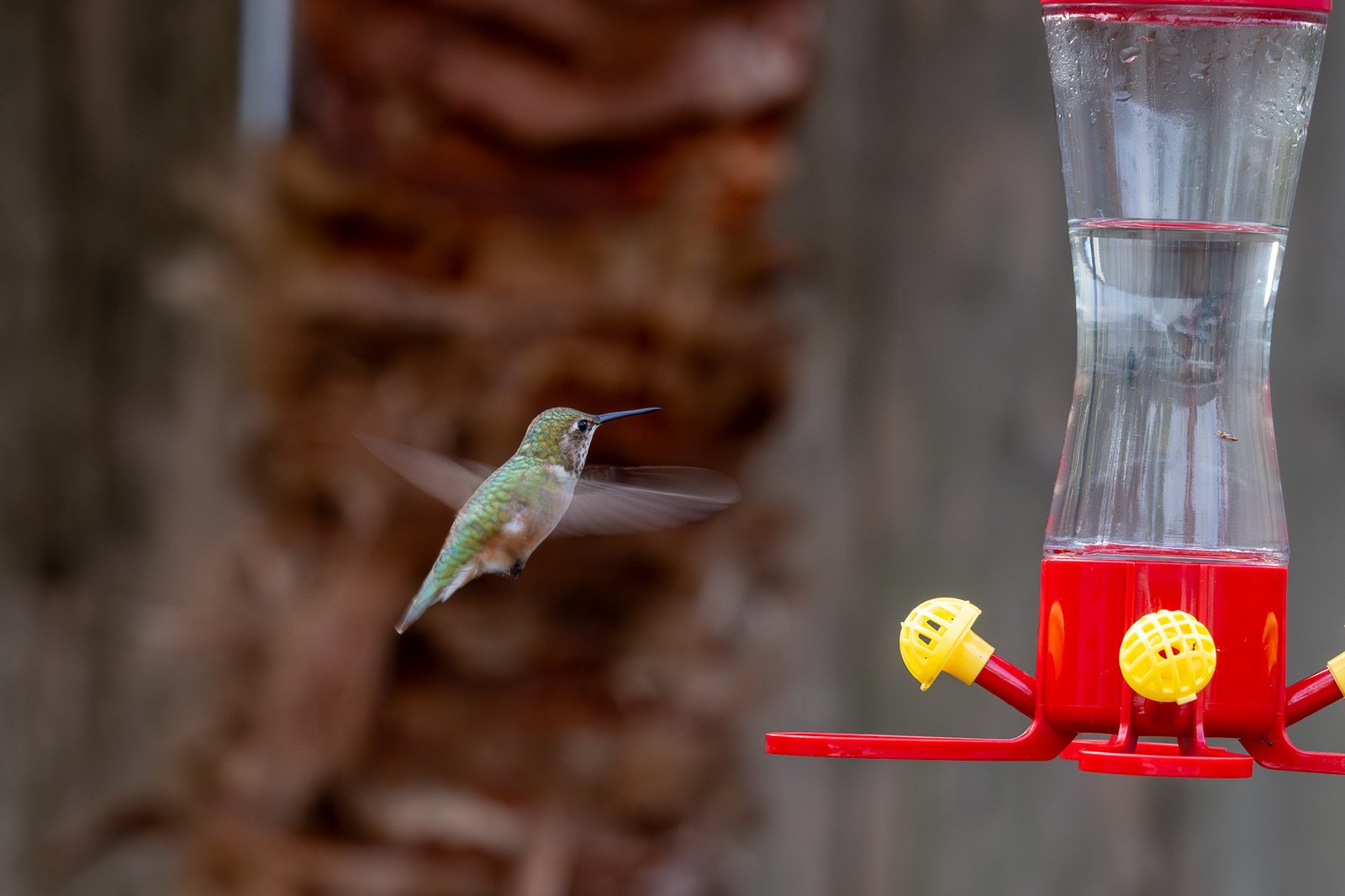
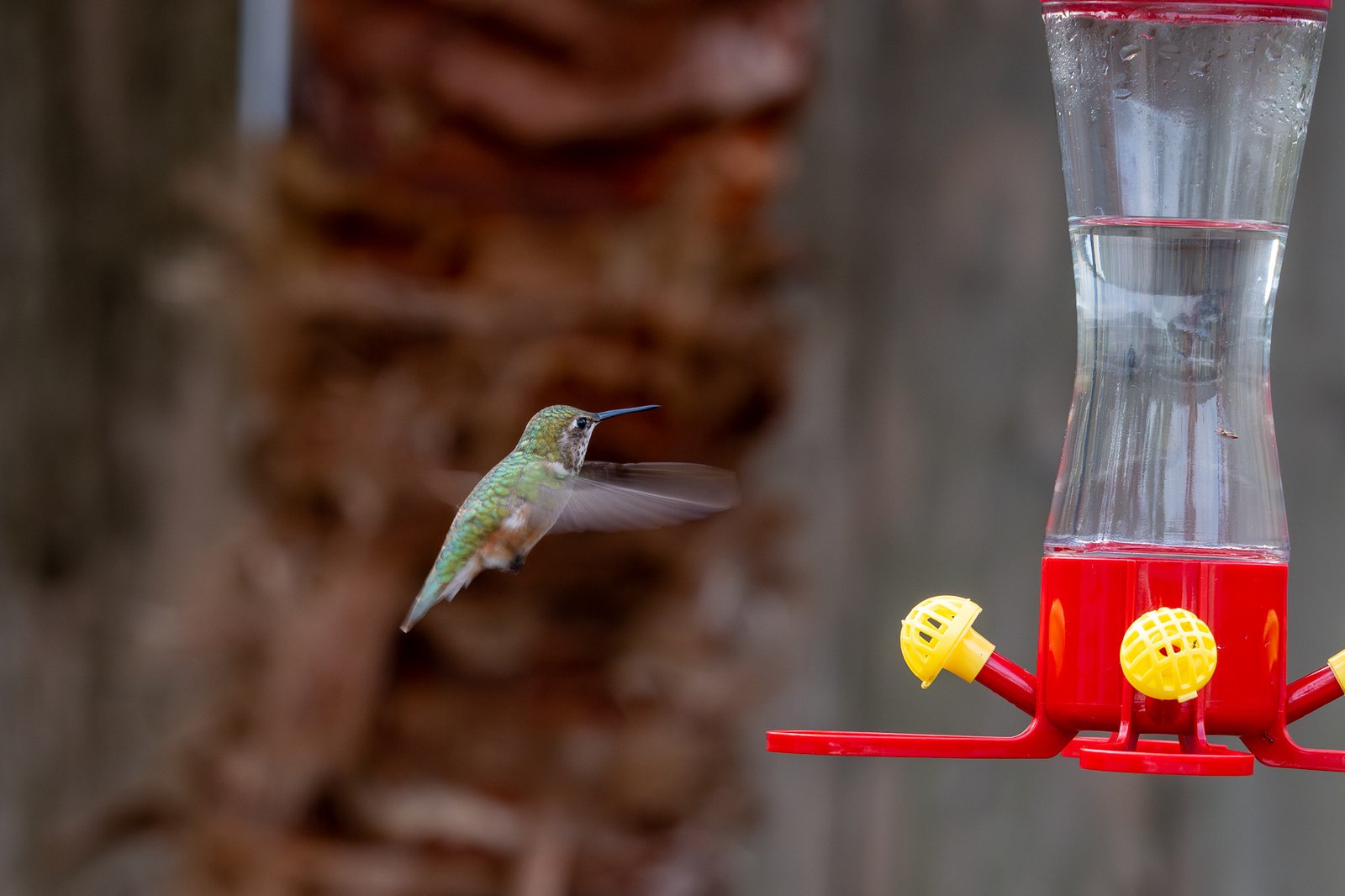
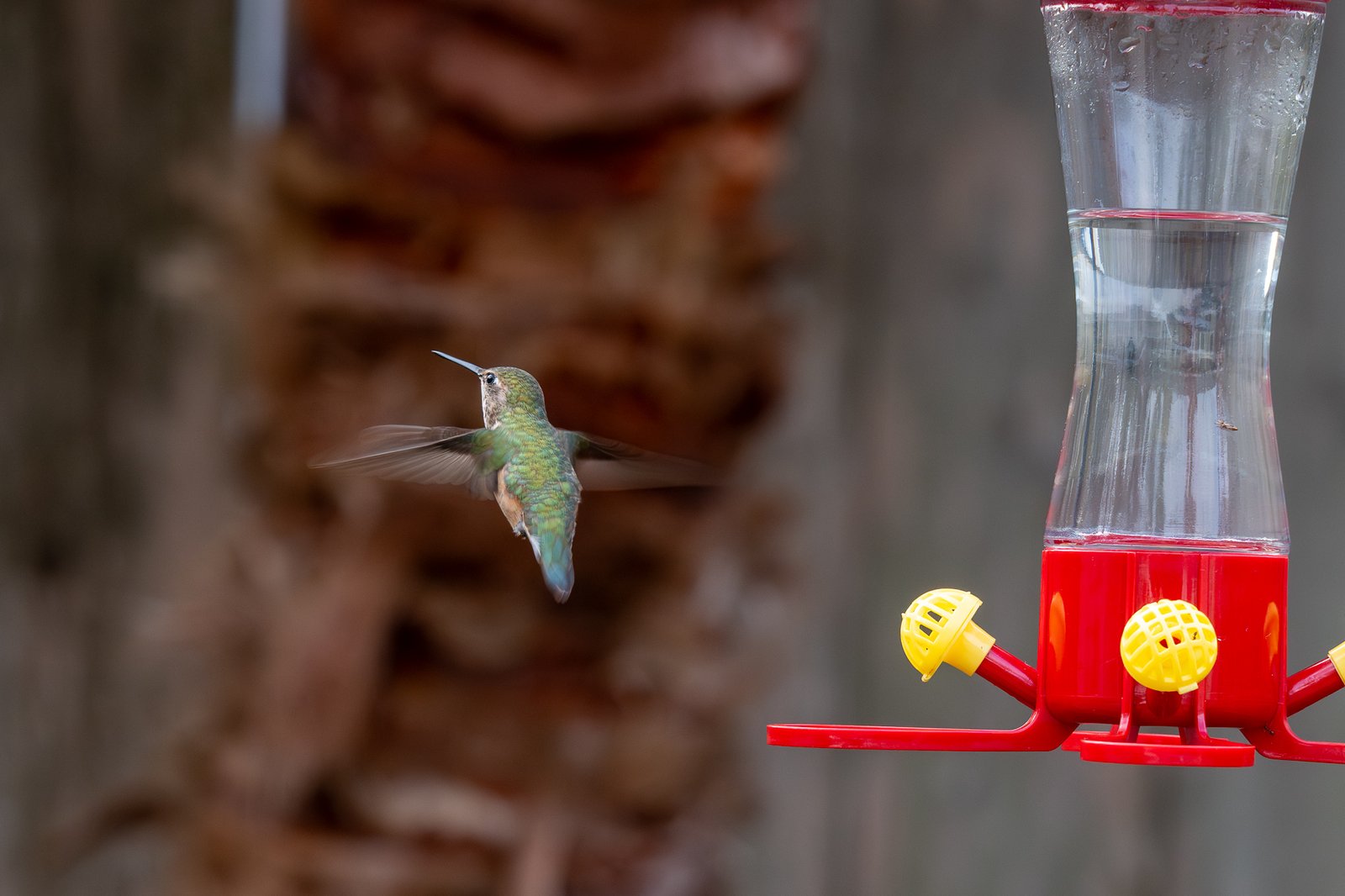
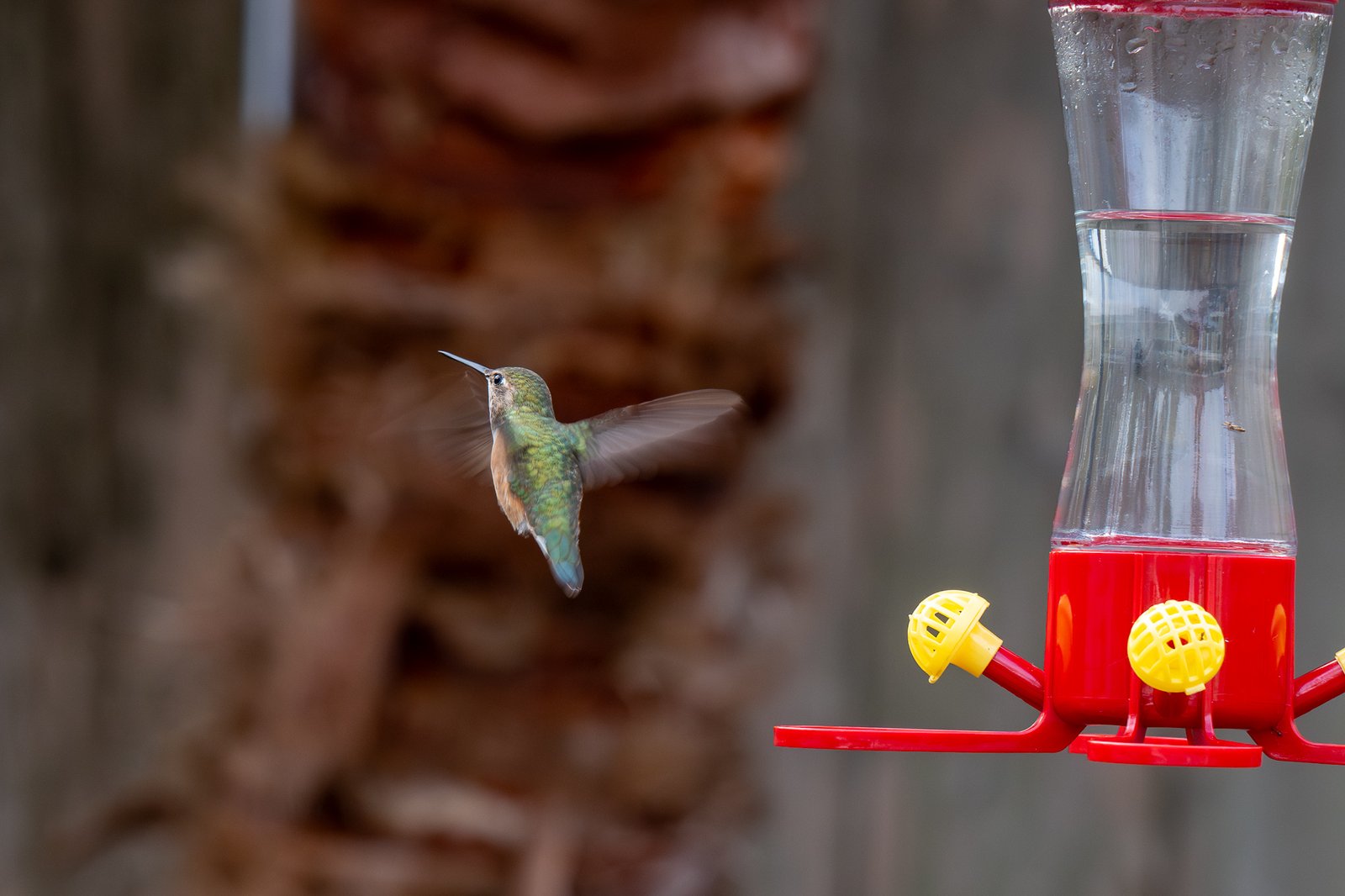
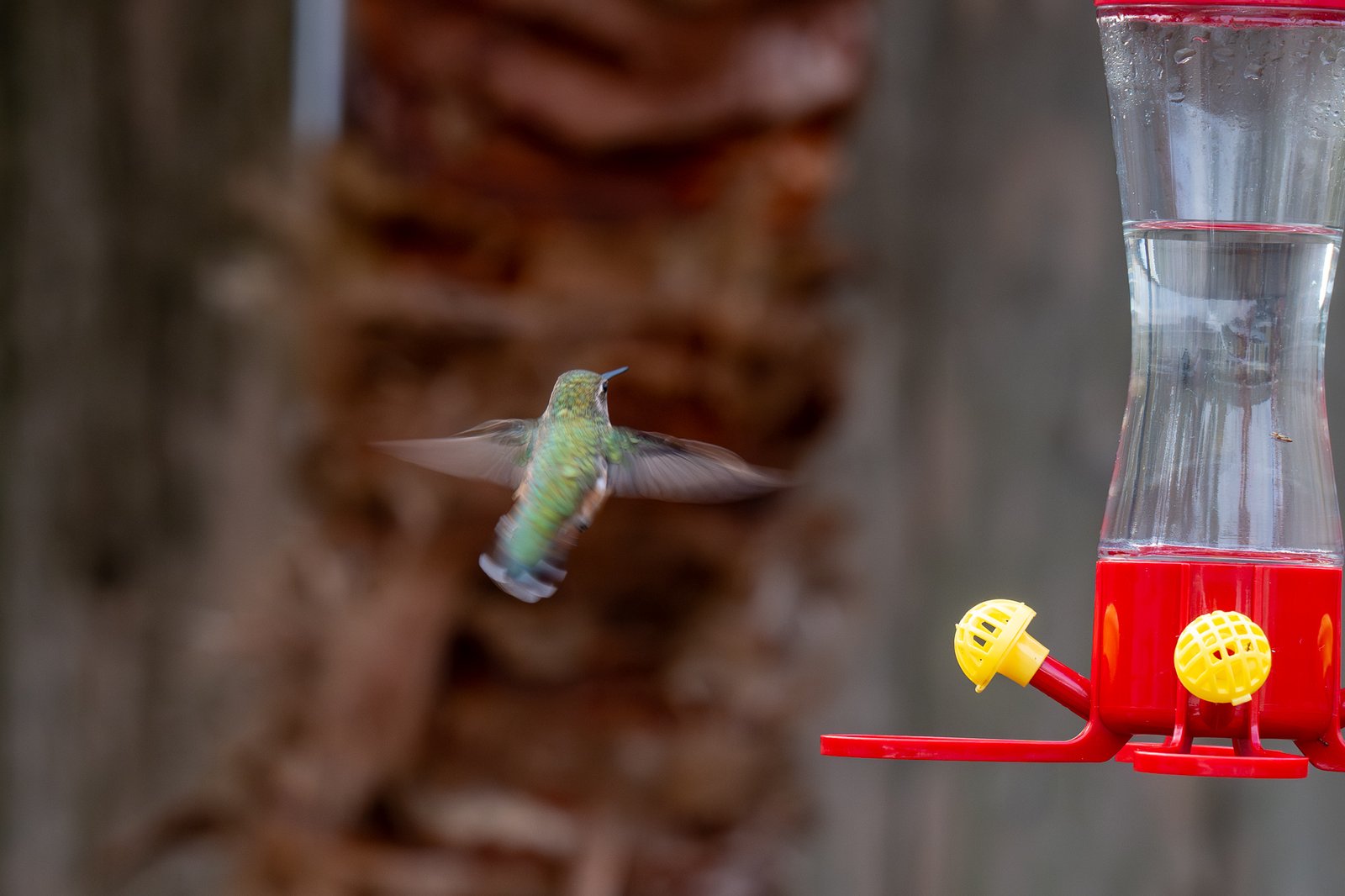
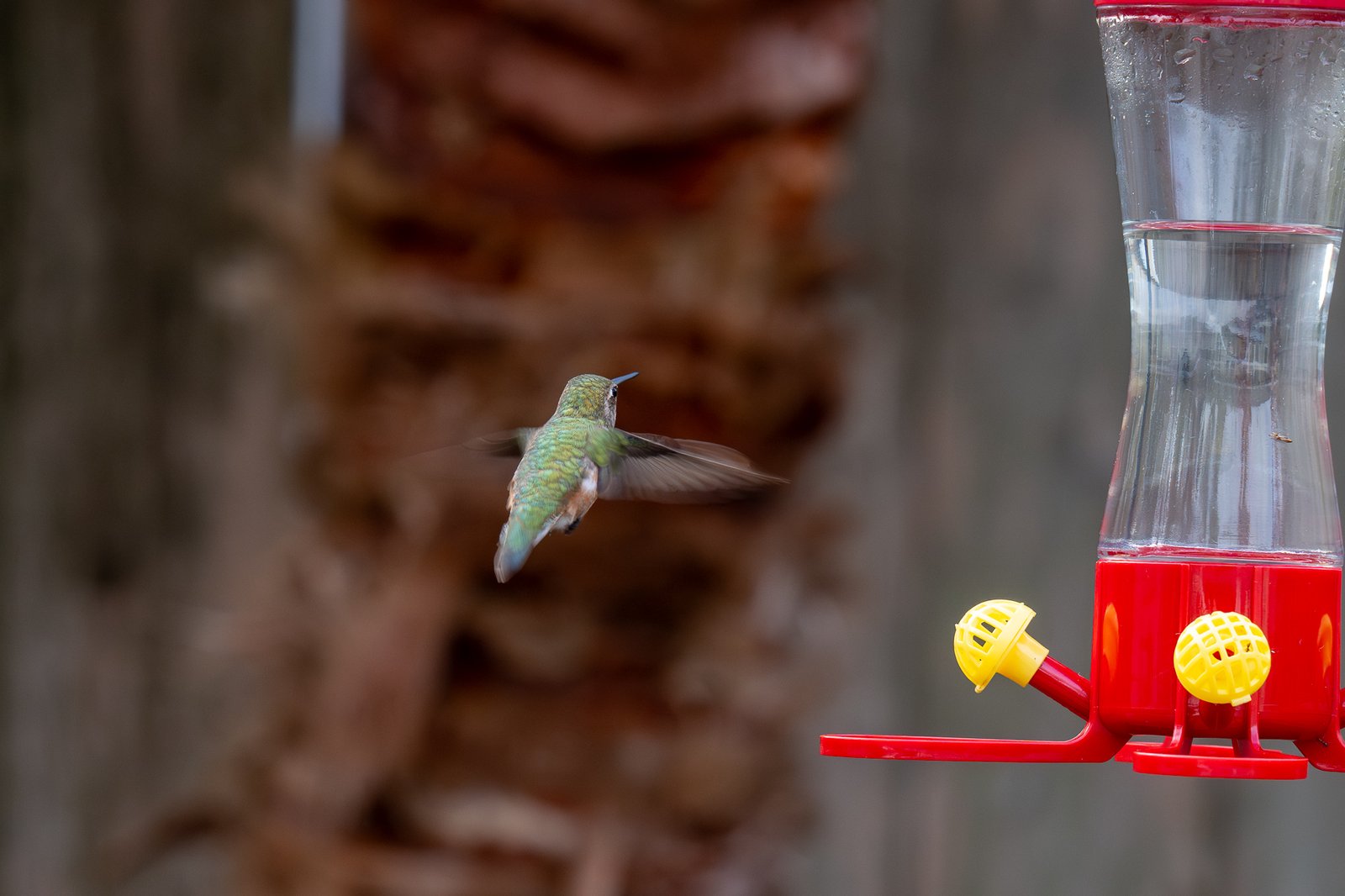
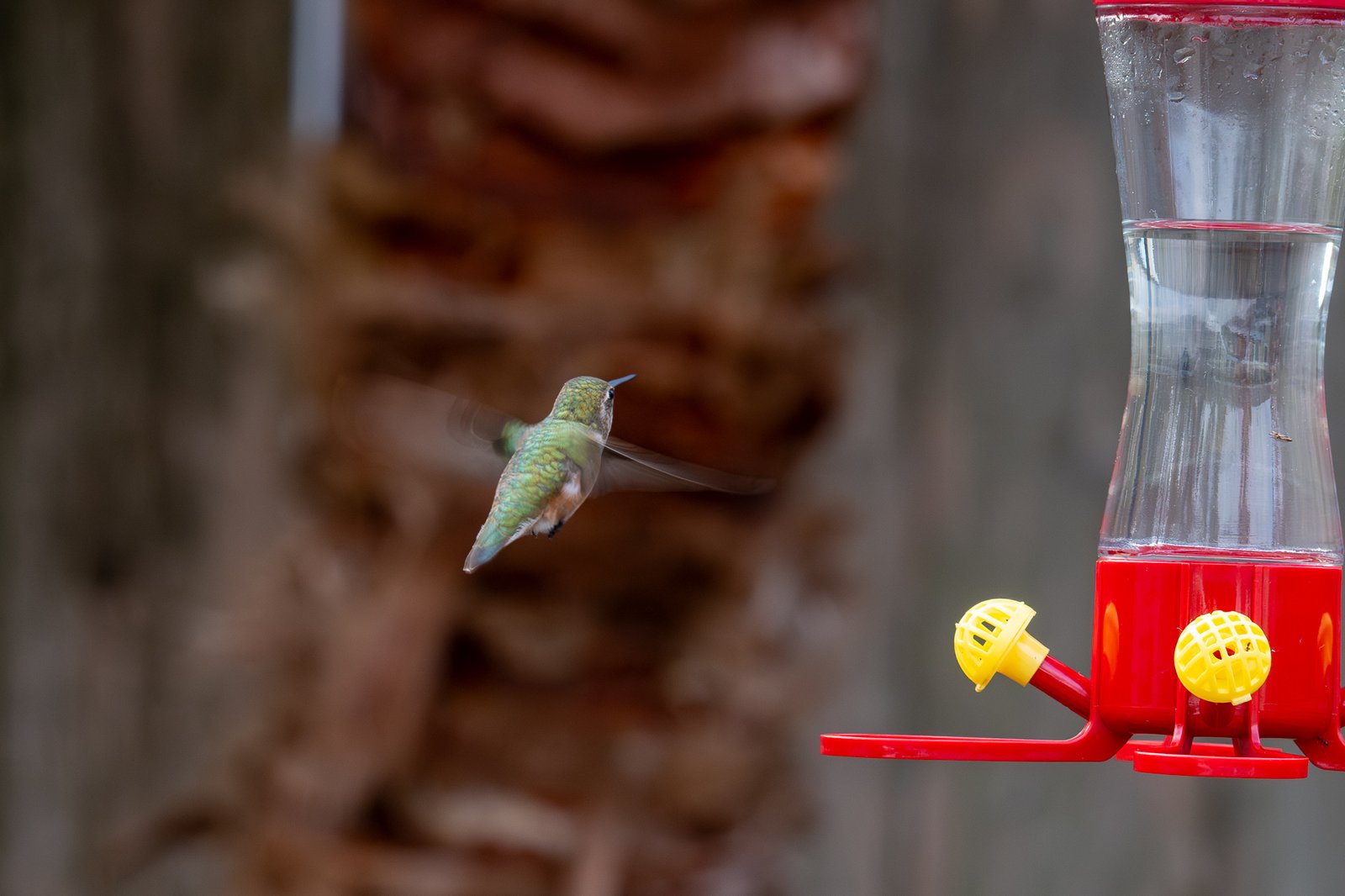
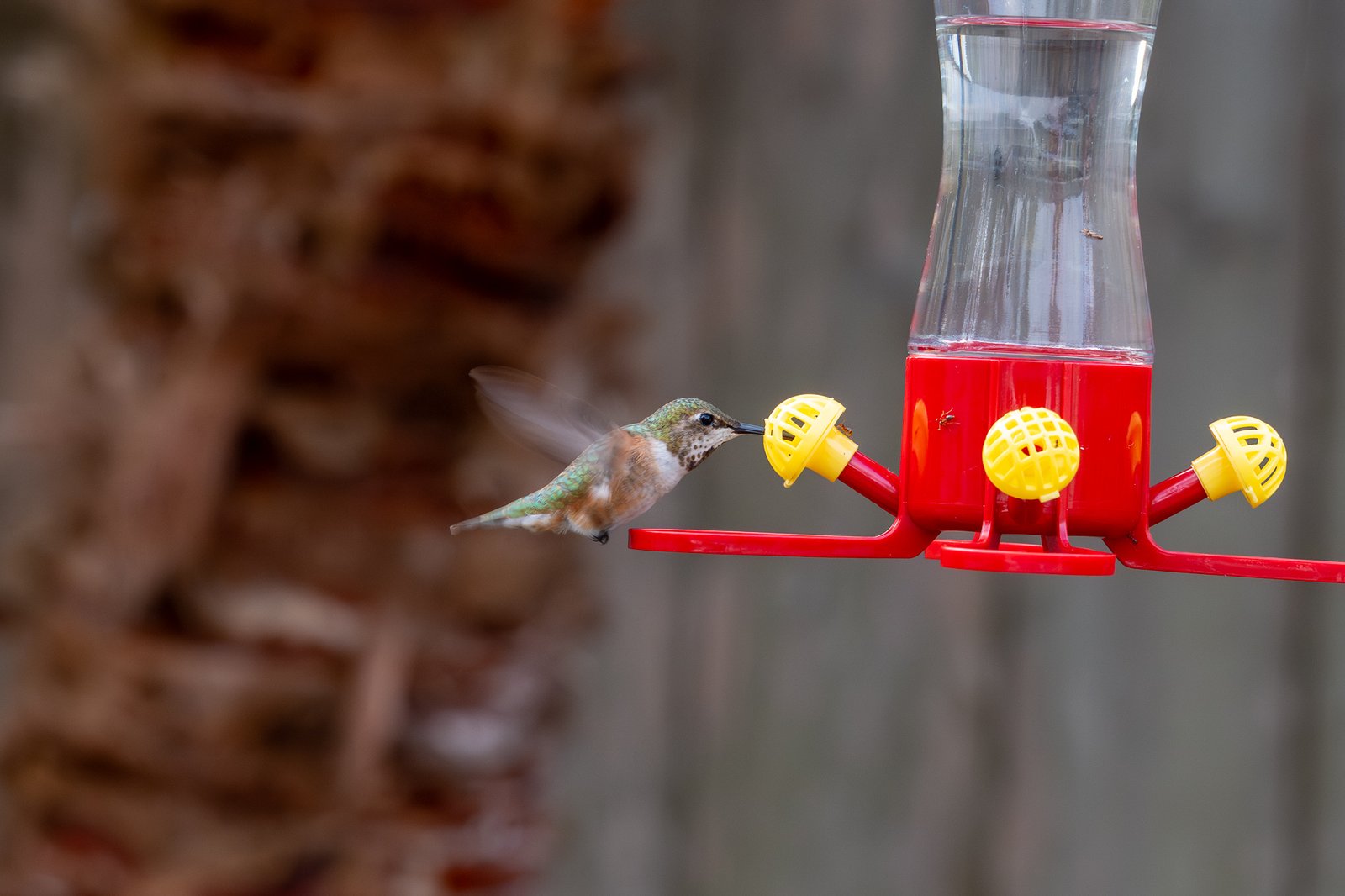
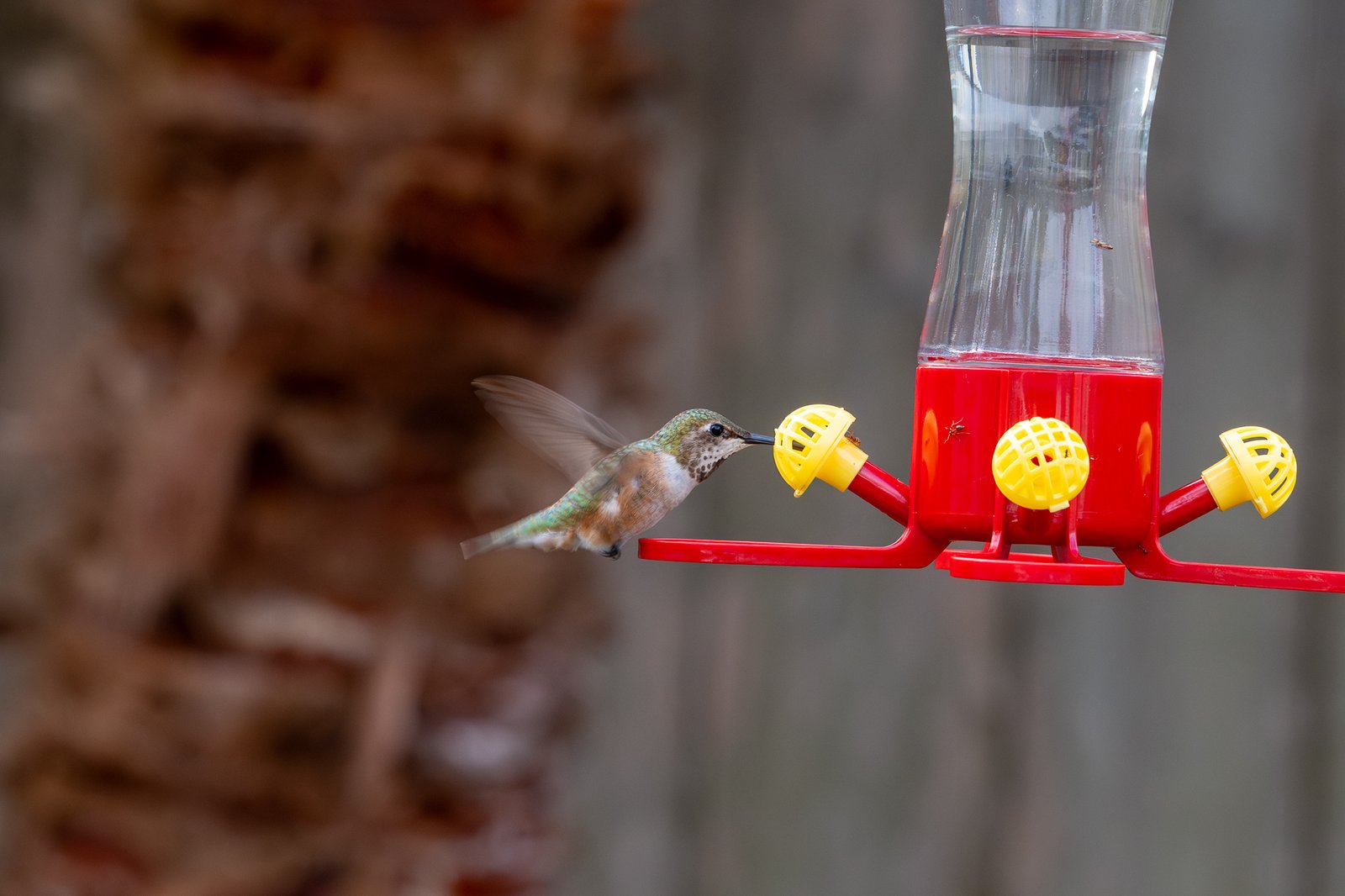
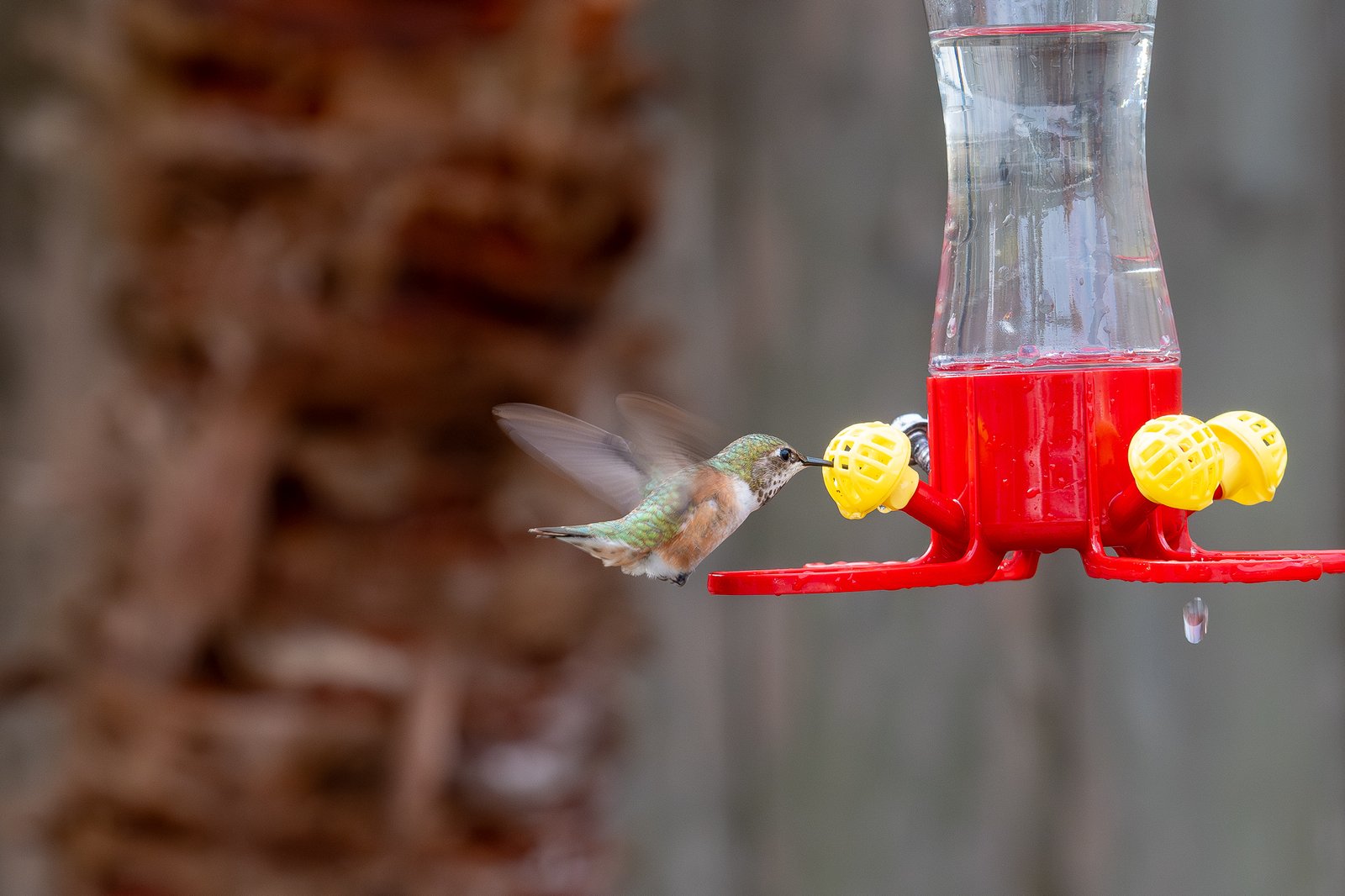
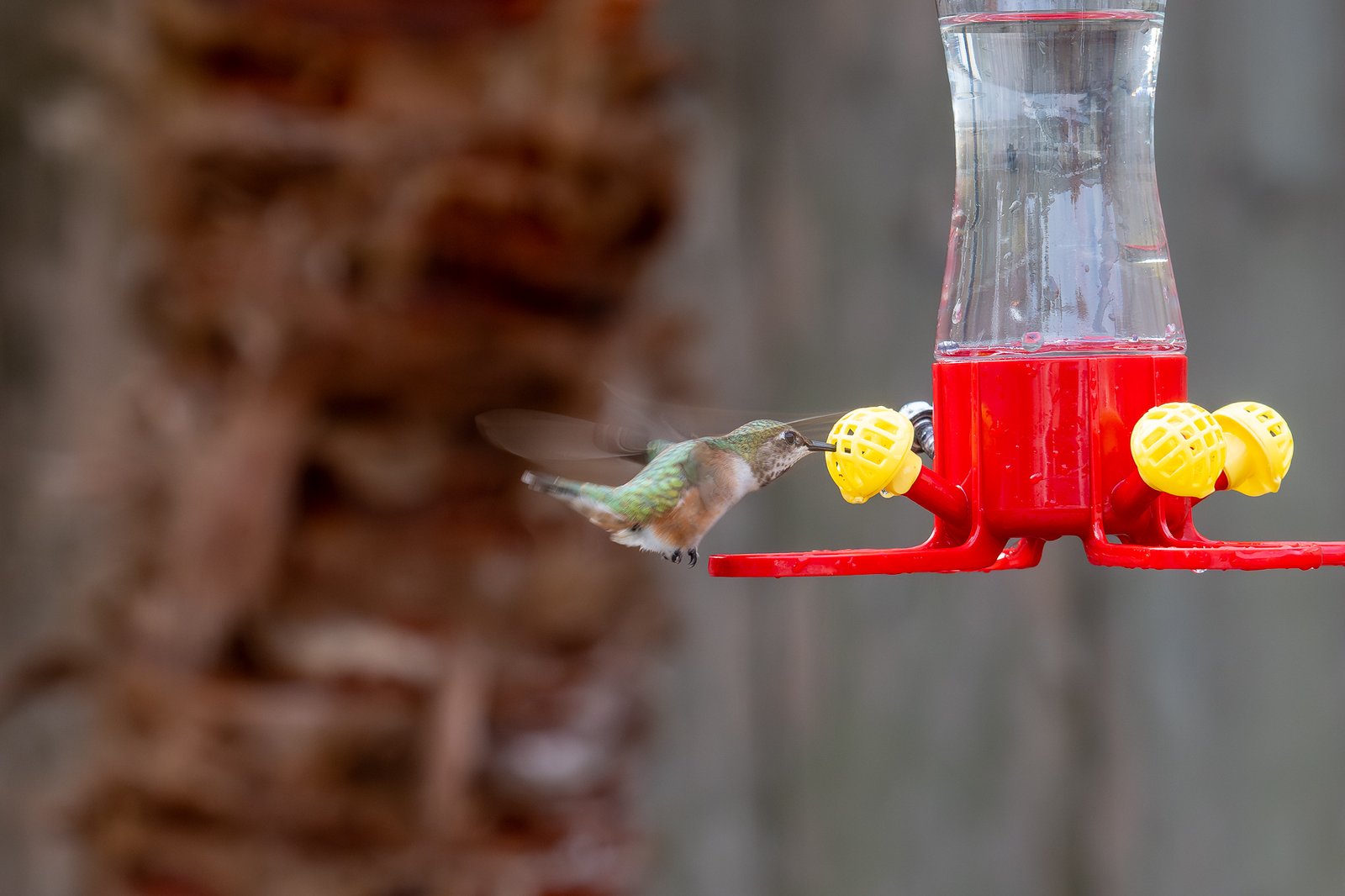
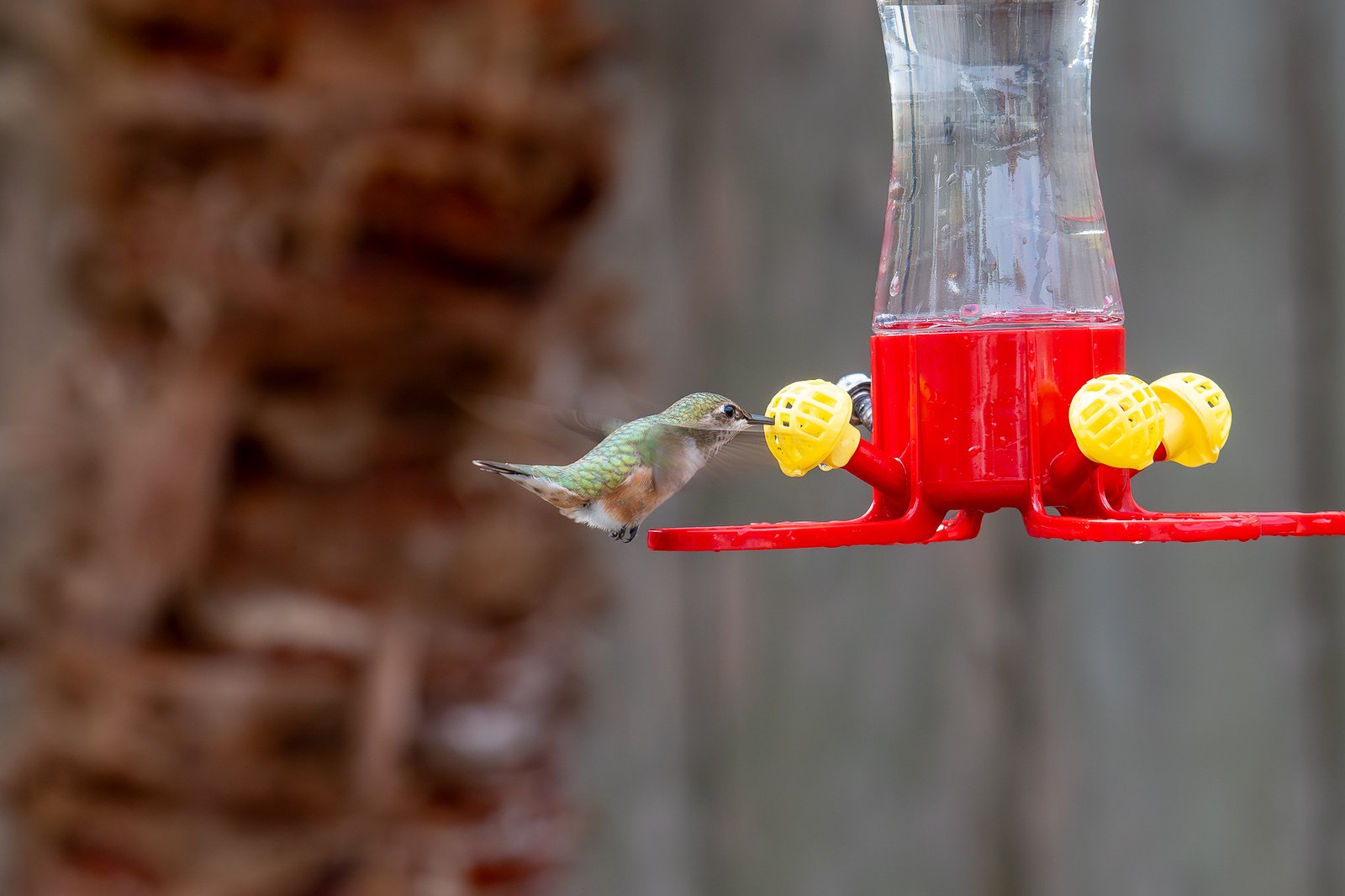
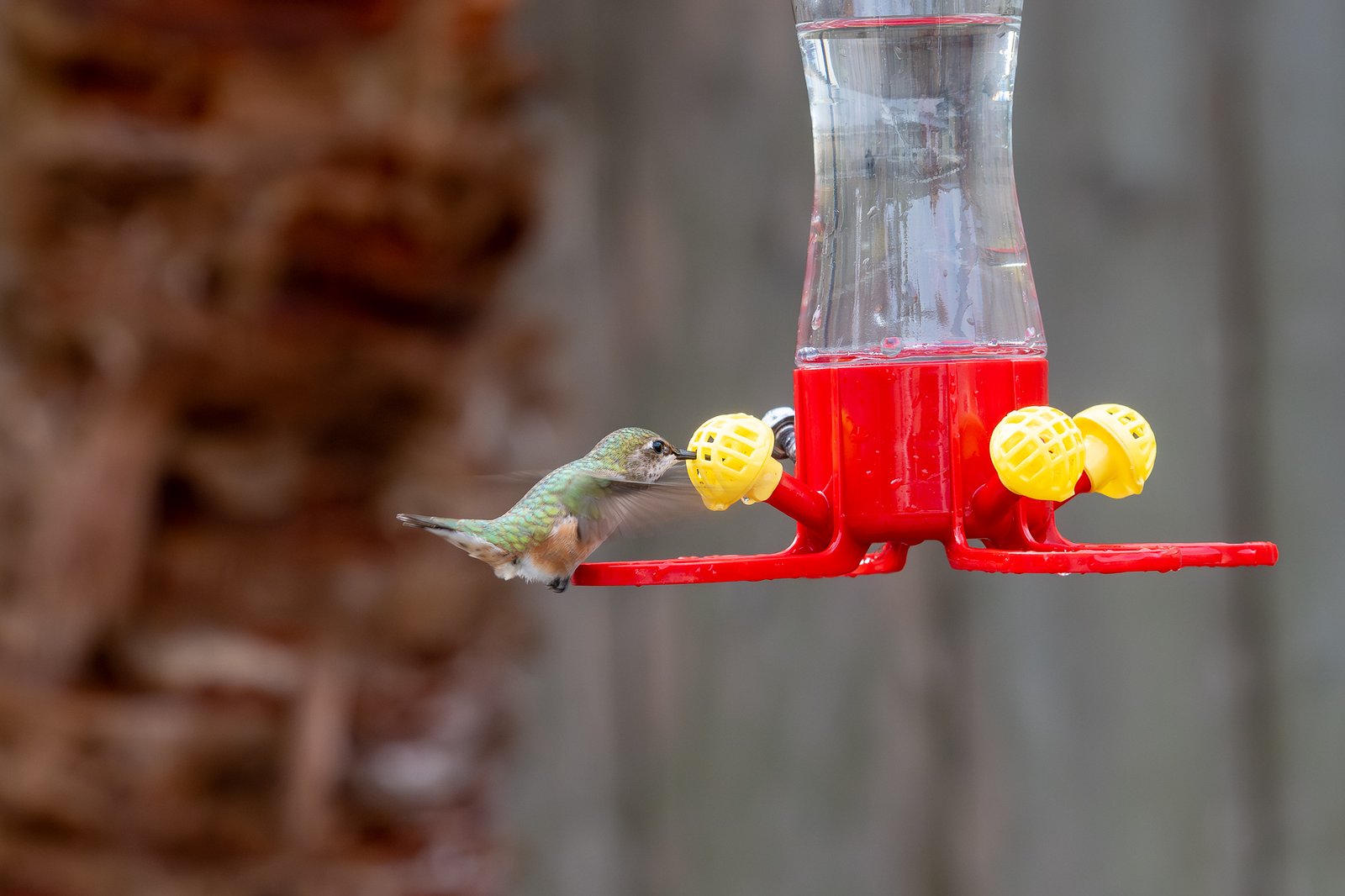
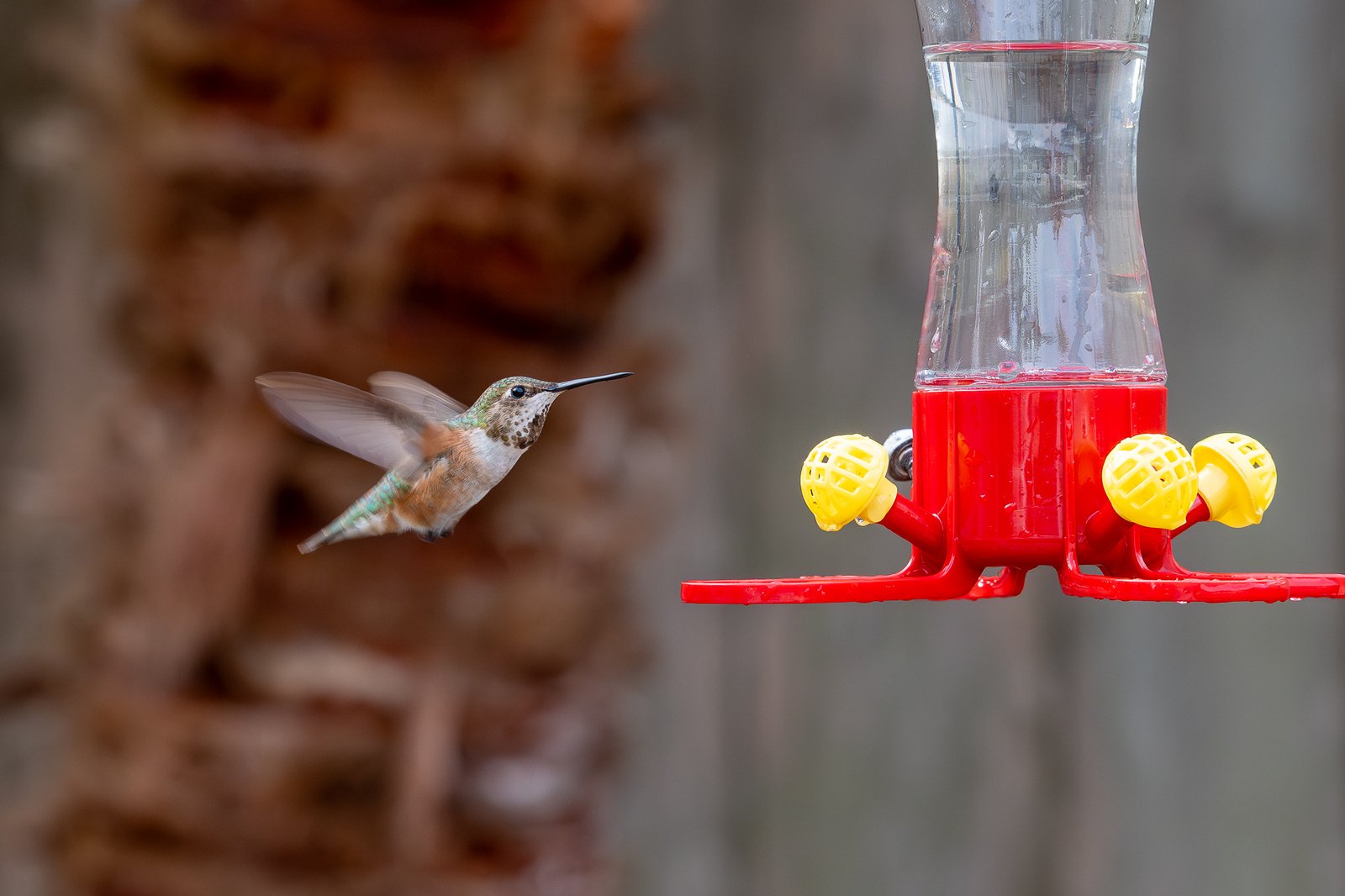
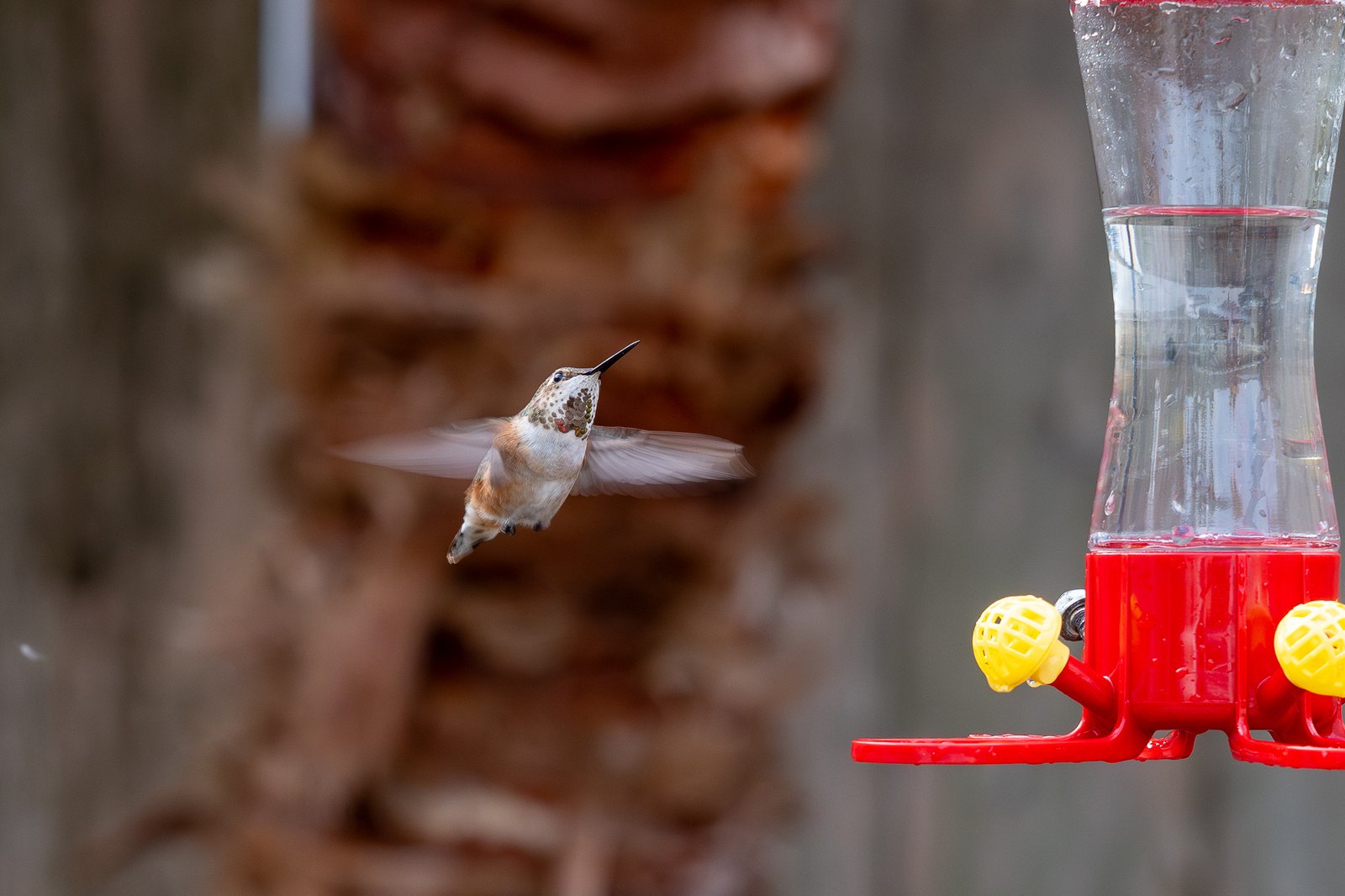
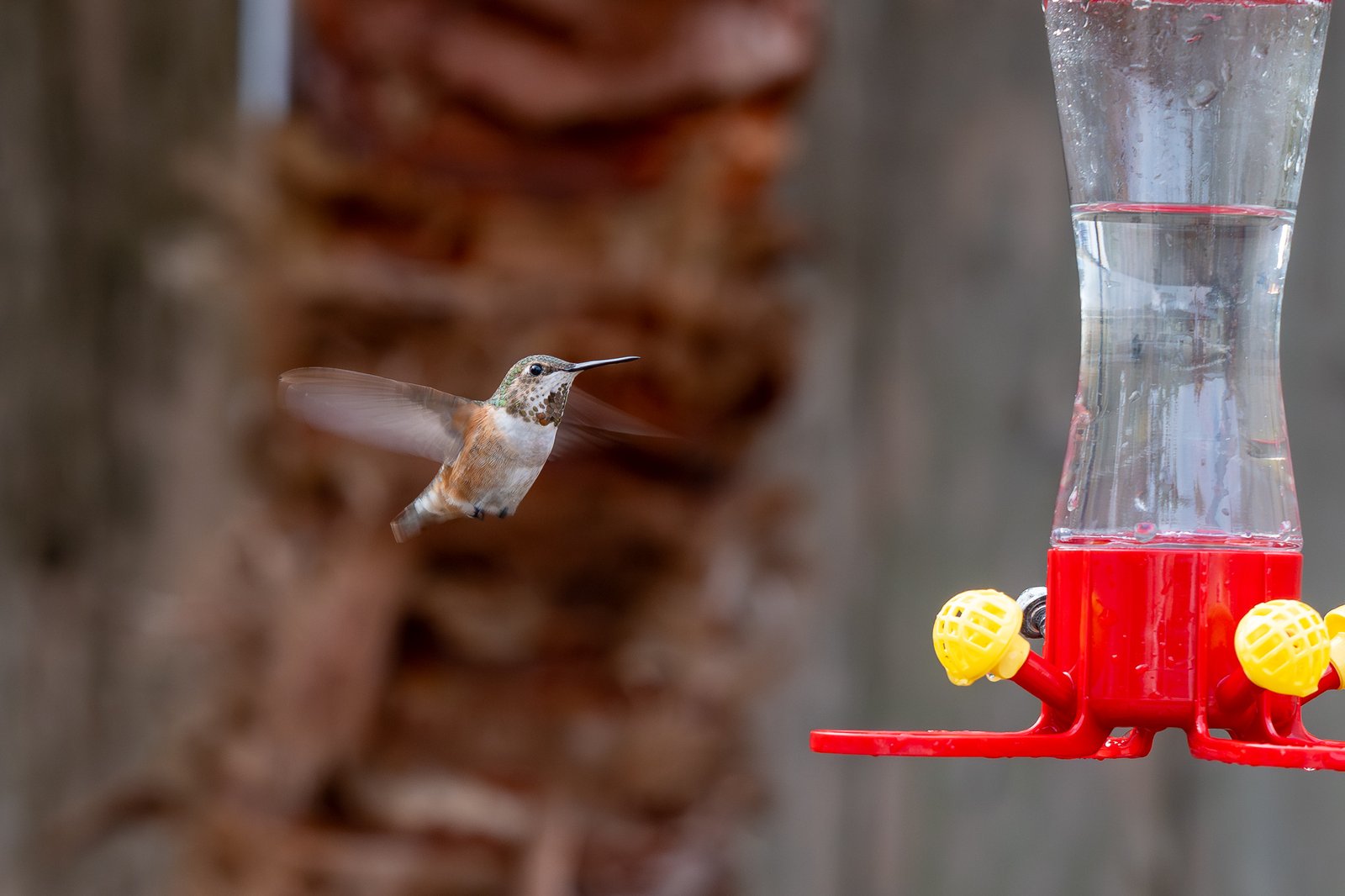
You met Percy, Patty’s name for our visiting and rare Broad-tailed Hummingbird, we also have a Ruby-throated Hummingbird, common in our Spring and Fall, but very unusual during winter. Well, it turns out that a fellow birder and friend, Charlie in Gulfport, has two rare hummingbirds, the Rufous hummingbird and the Buff-bellied Hummingbird, visiting his garden. Charlie invited us to be at his house this morning at 0700 to see them. We had seen the Buff-bellied Hummingbird last week, and Patty was excited about the possibility of seeing another rare bird.
I do not fault you for thinking I have posted too many photos of the hummingbird, but for a birder or hummingbird enthusiast, they may appreciate them, and they are easy to skip over.
I have to wonder at these rare sightings and suspect it has to do with climate change, both temperatures and timing, which affect the blooming times of their food source. Also, insect populations have been severely diminished by pesticides, which affect the entire food chain.
The Rufous Hummingbird (Selasphorus rufus) is a small but exceptionally feisty bird known for having one of the longest migratory journeys of any bird in the world relative to its body size. Measuring only about 3 inches long and weighing less than a nickel, this “extremist” of the hummingbird world travels nearly 4,000 miles from its wintering grounds in Mexico to its breeding territories as far north as southeastern Alaska. These birds follow a distinct “clock-wise” loop through Western North America, moving up the Pacific Coast in the spring to capitalize on early blooms and returning south through the Rocky Mountains in late summer to feed on high-altitude wildflowers.
Physically, the Rufous Hummingbird is easily identified by its brilliant, copper-orange plumage. Adult males possess a solid rufous back and a striking, iridescent orange-red throat patch, known as a gorget, which can glow like a coal in direct sunlight. Females and juveniles are more subtle, featuring green backs with rufous-washed flanks and small spots of orange on their throats. Beyond their appearance, they are legendary for their pugnacious temperament; despite their tiny stature, they are arguably the most aggressive hummingbird species in North America, frequently chasing away much larger birds, insects, and even rodents from their preferred nectar sources and feeders.
Ecologically, these hummingbirds are vital pollinators that have adapted to a wide range of environments, from coastal forests and brushy hillsides to high-mountain meadows. To sustain their high-energy lifestyle and survive cold northern nights, they can enter a state of torpor—a type of short-term hibernation where they significantly lower their body temperature and metabolic rate to conserve energy. This resilience allows them to breed further north than any other hummingbird species. However, they are currently considered a “Tipping Point” species, having lost over 50% of their population since 1970, making habitat conservation along their vast migratory corridors increasingly critical.
“The greatest threat to our planet is the belief that someone else will save it.”
Barbara Ward
Click any image to view full size and browse the gallery.




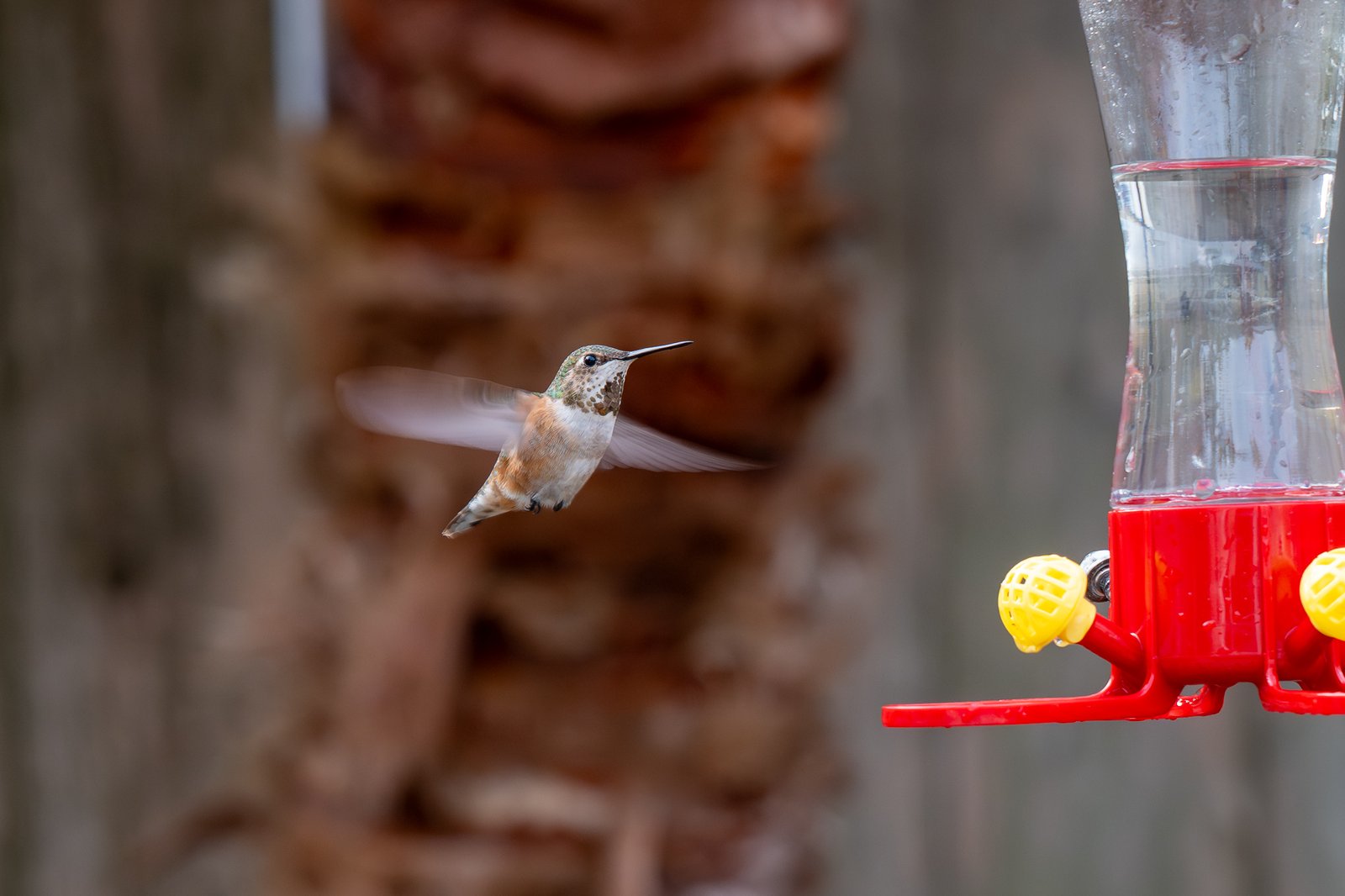
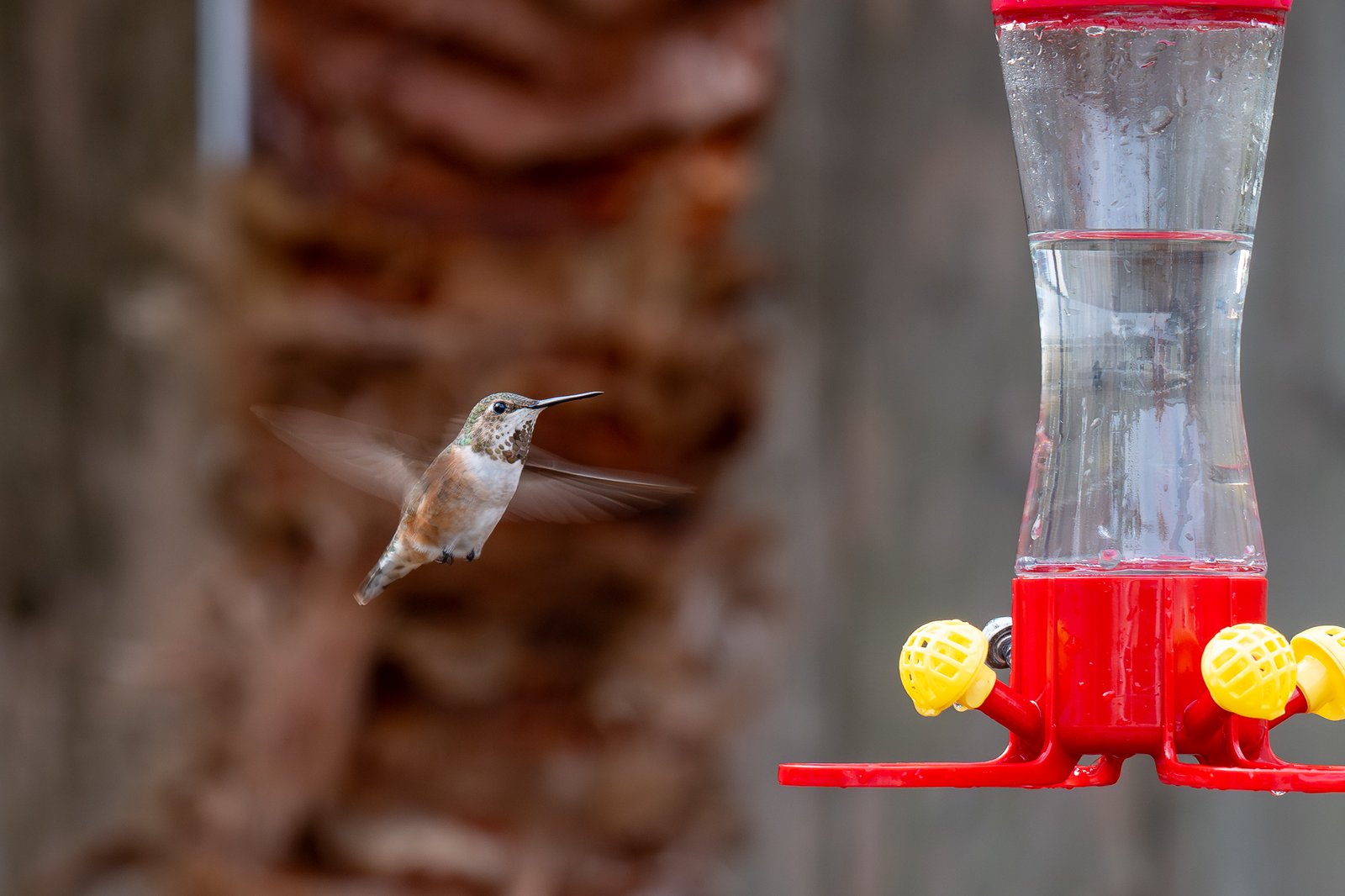
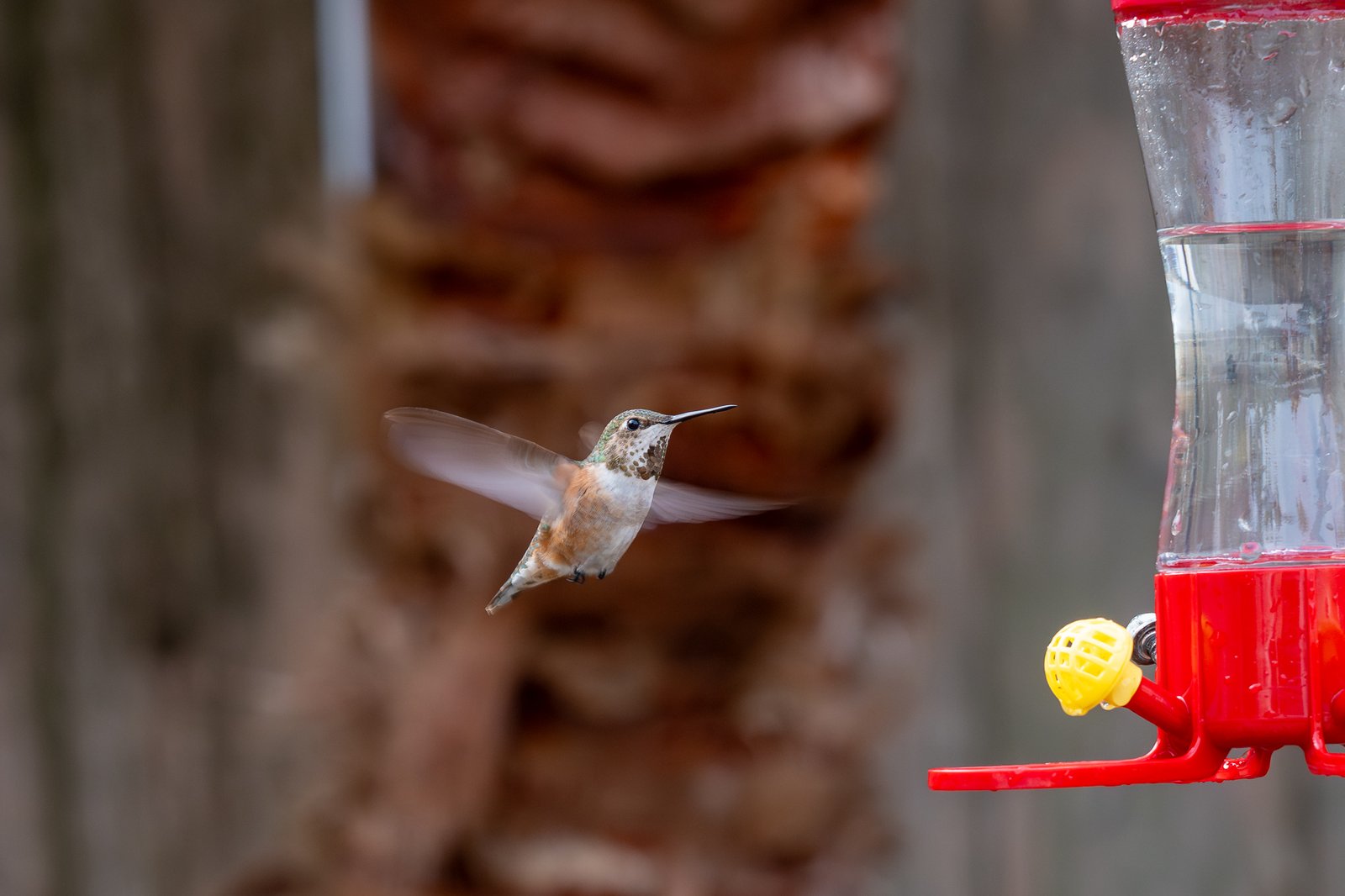
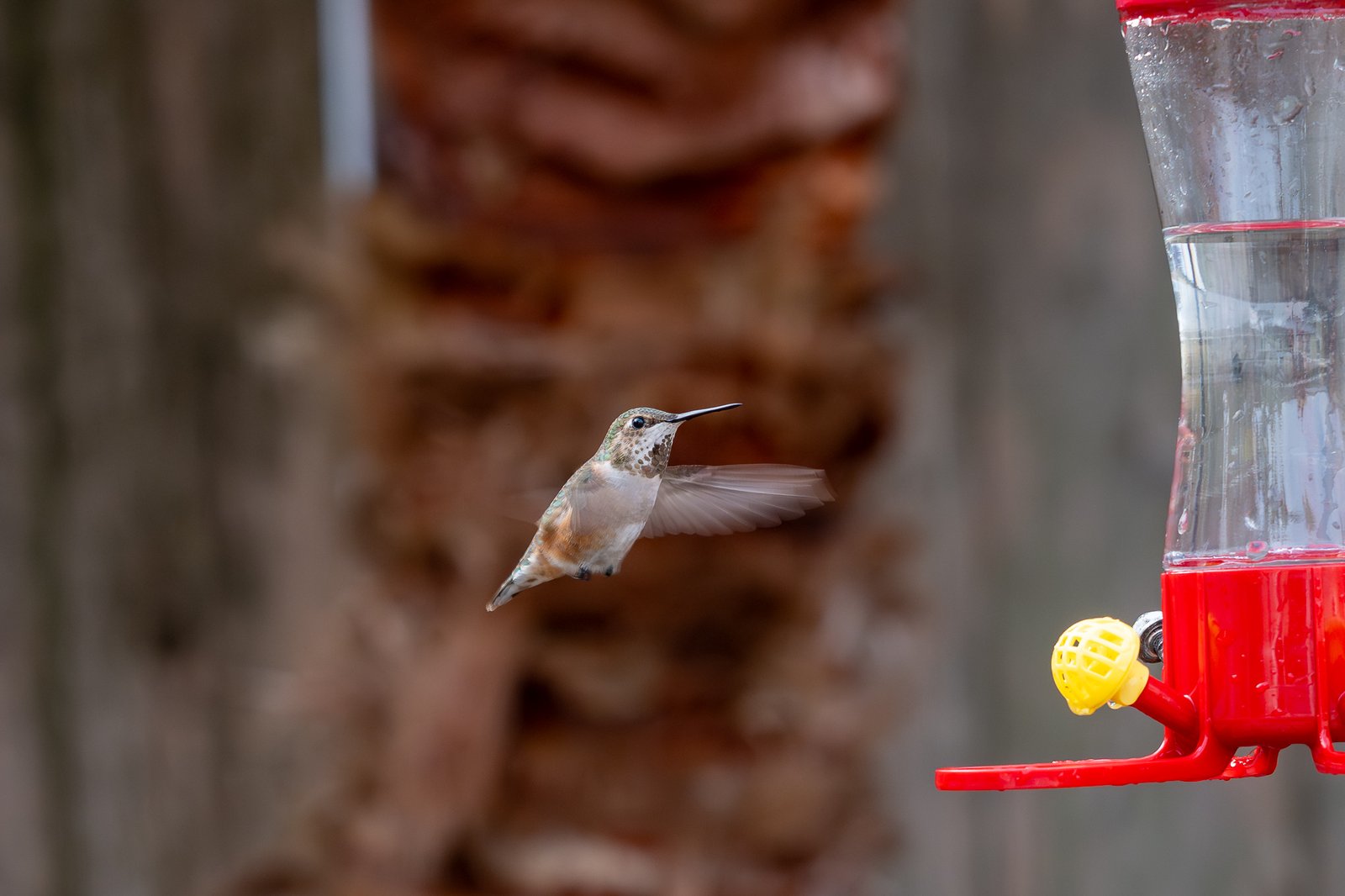
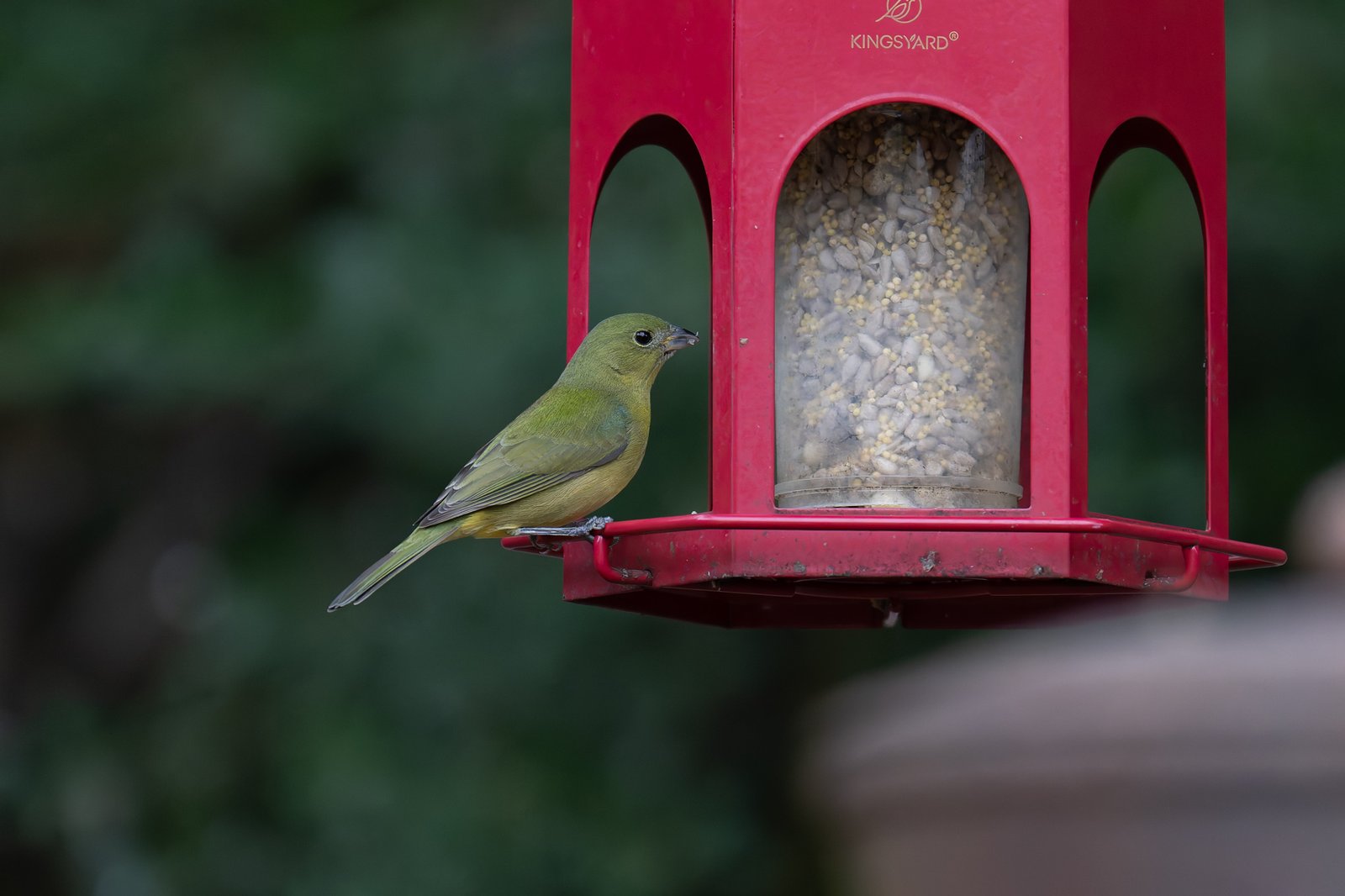
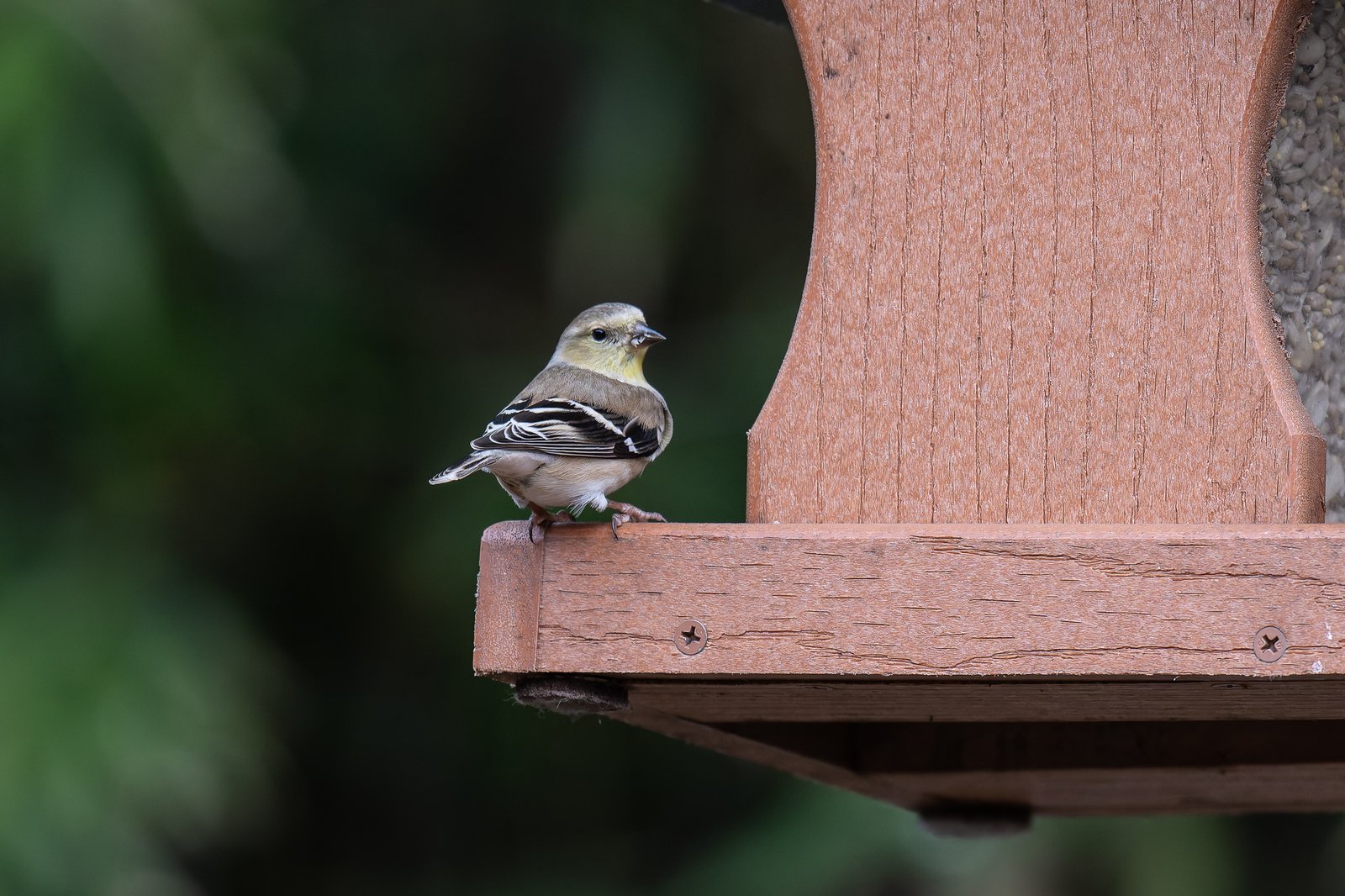
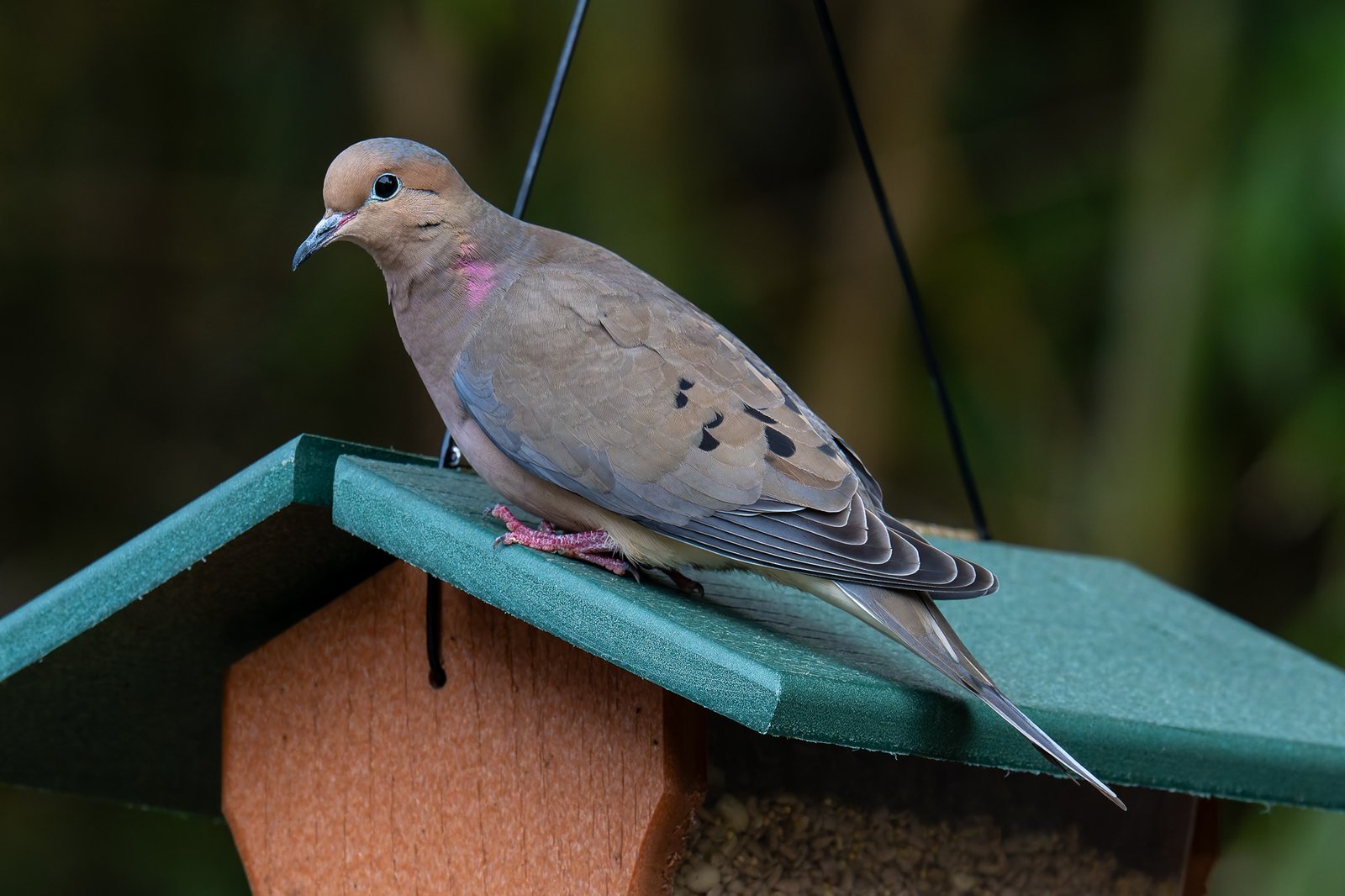
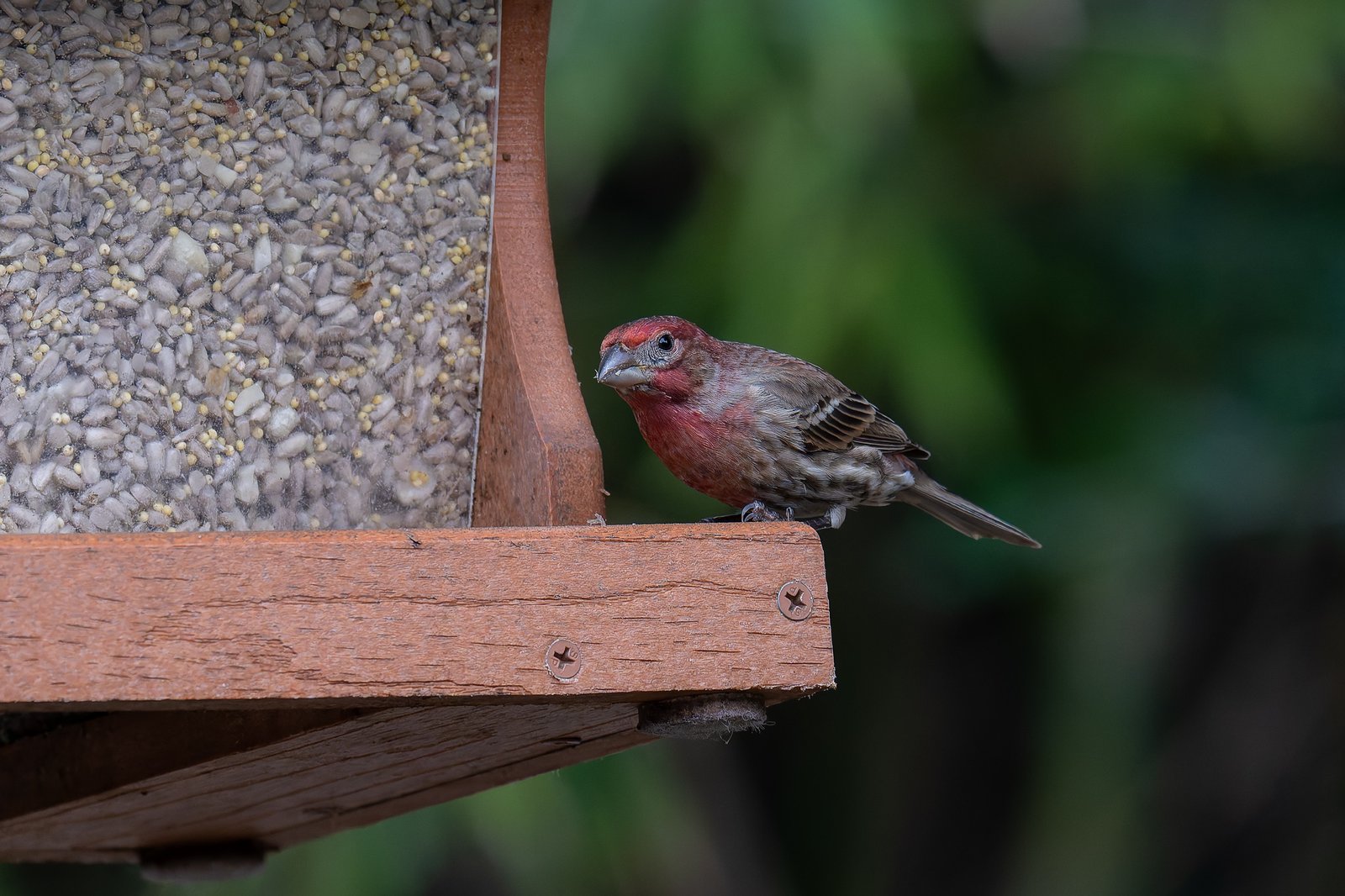
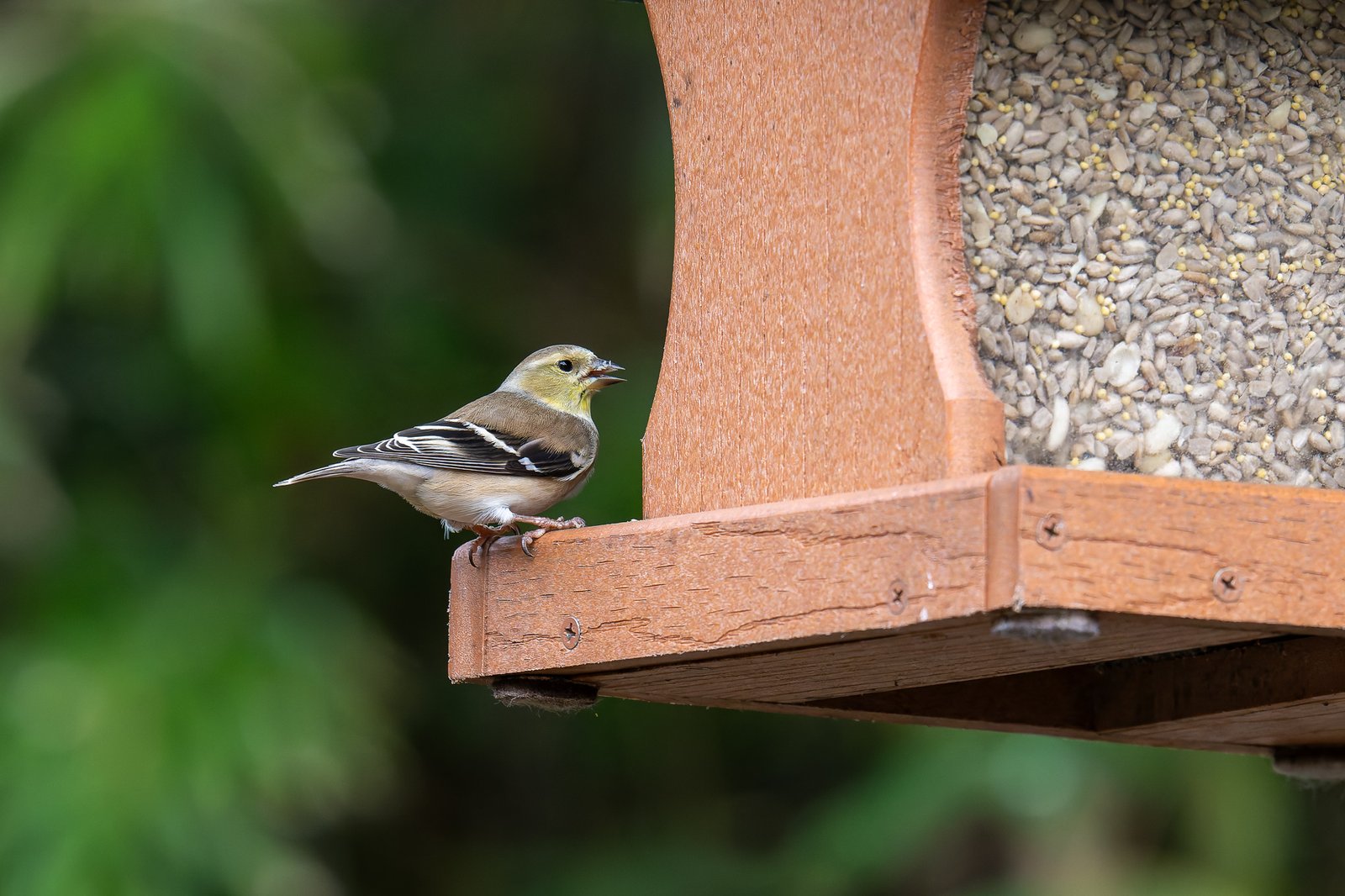
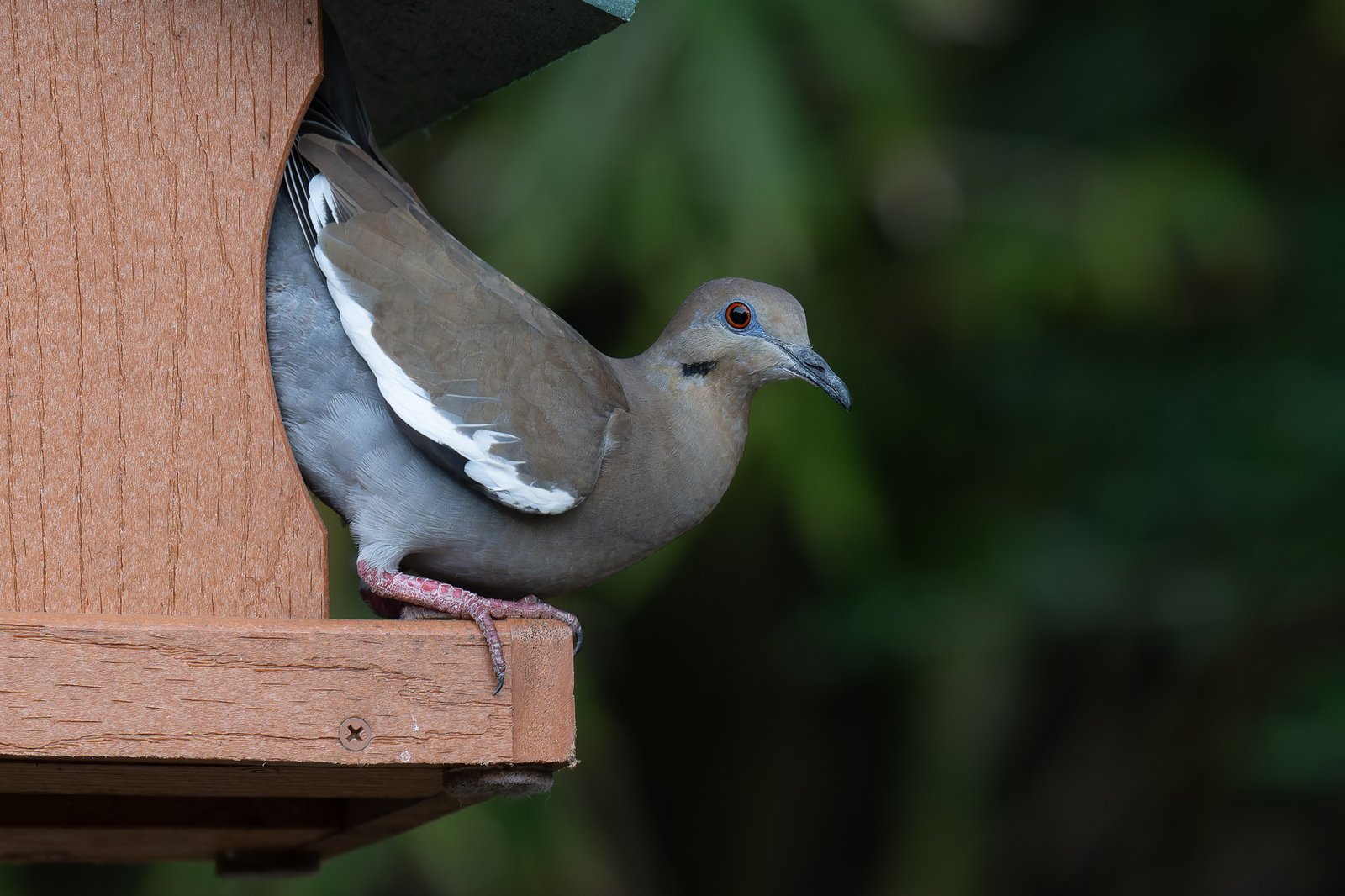
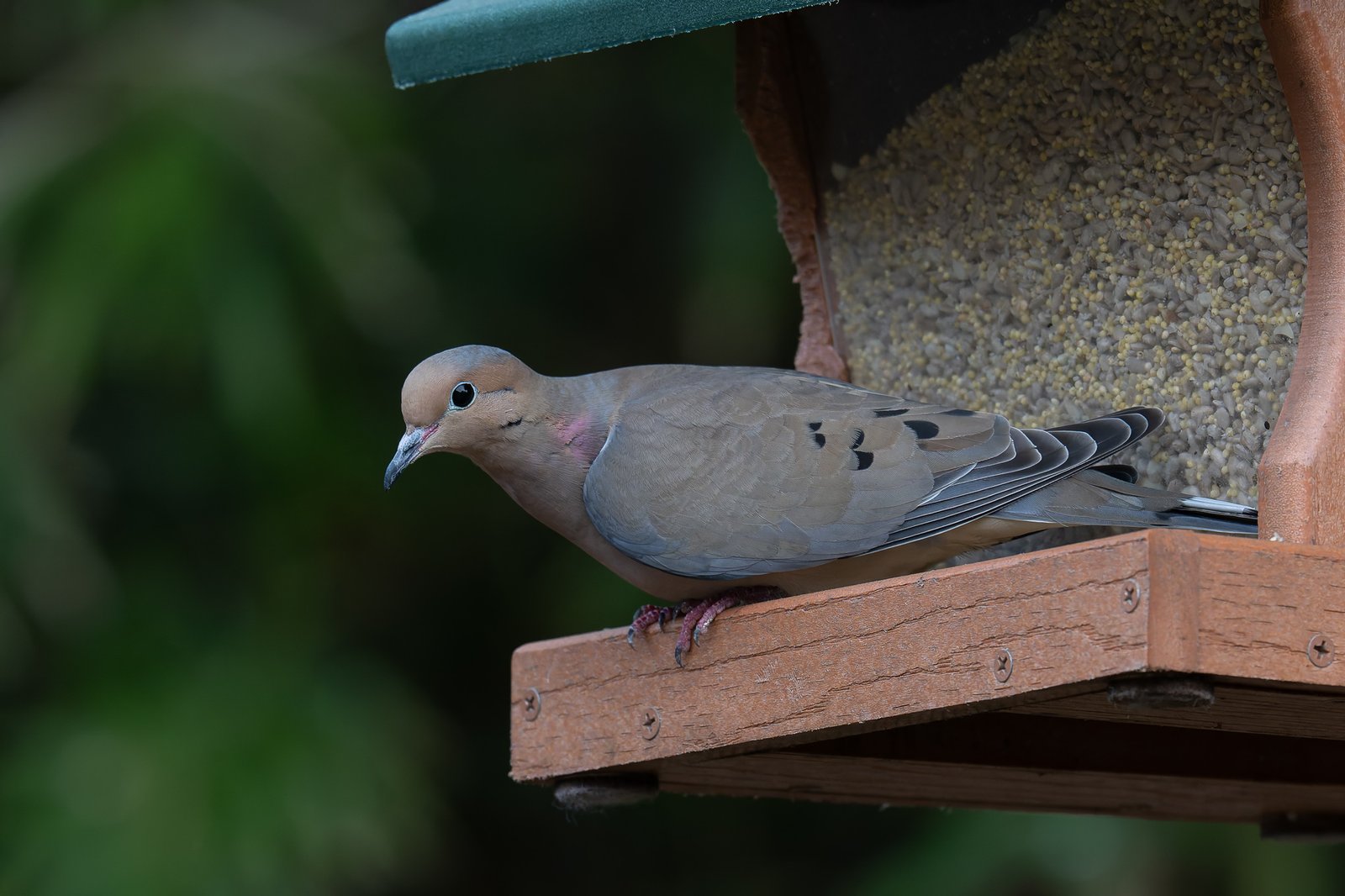
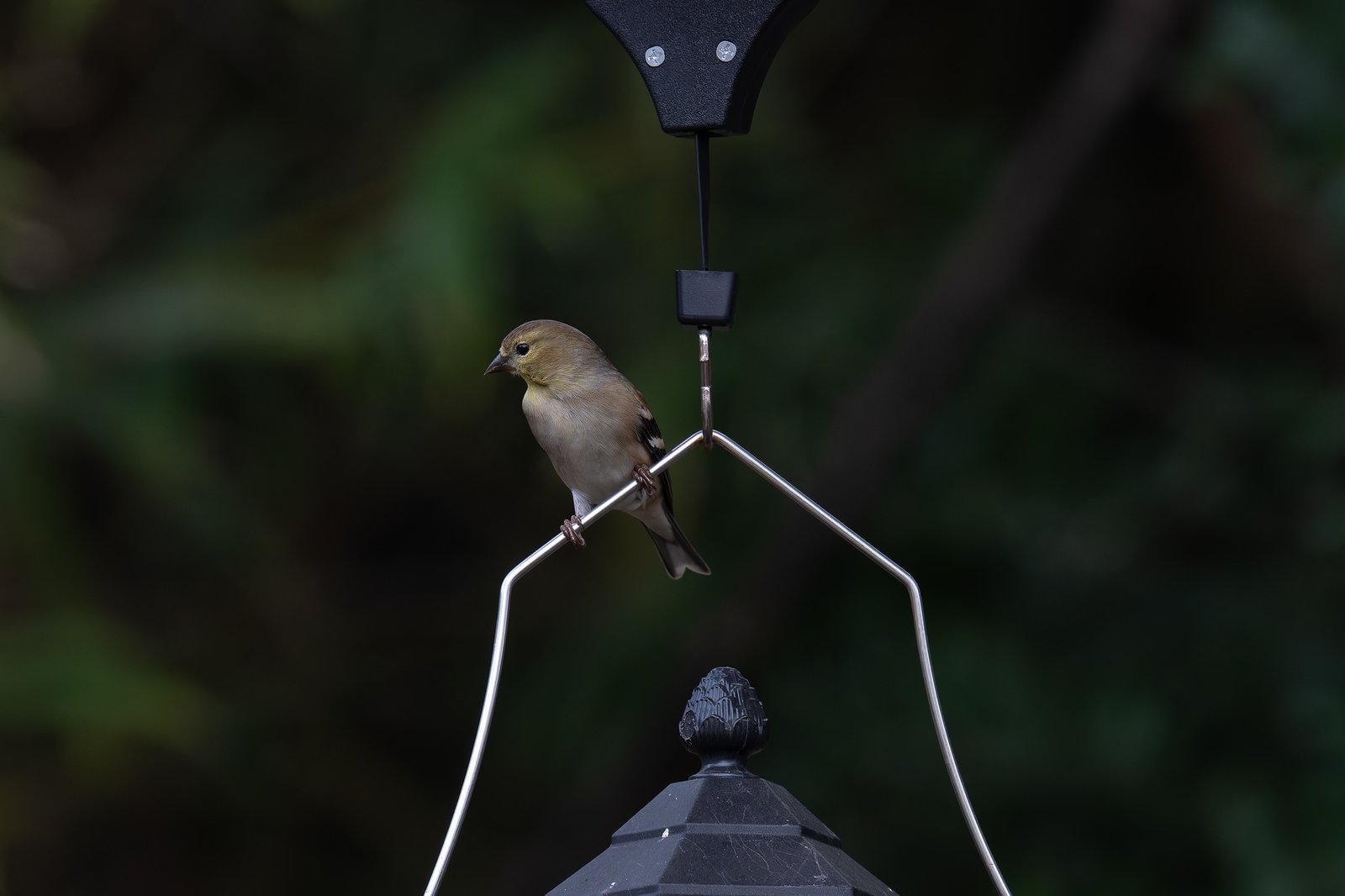
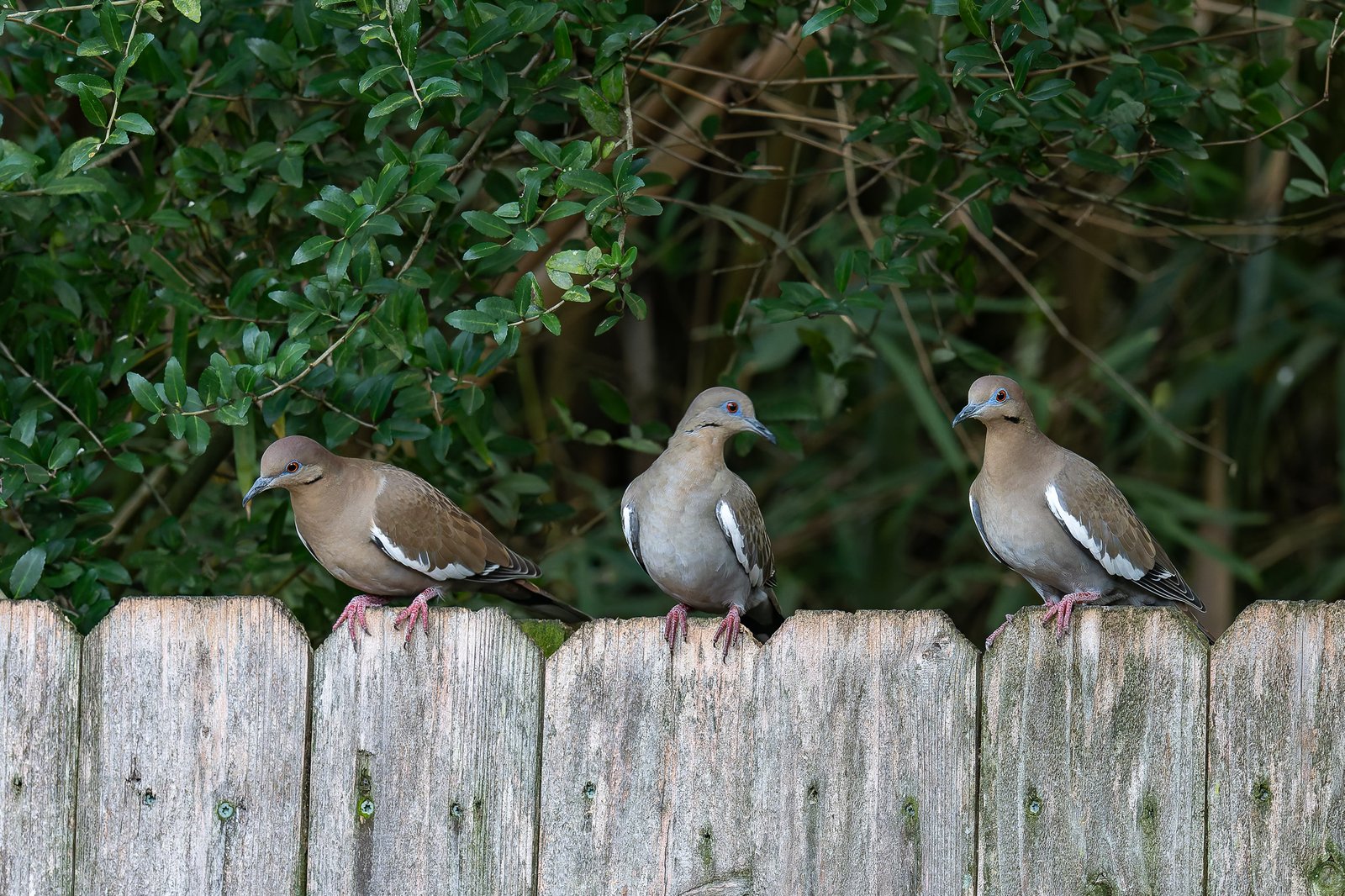
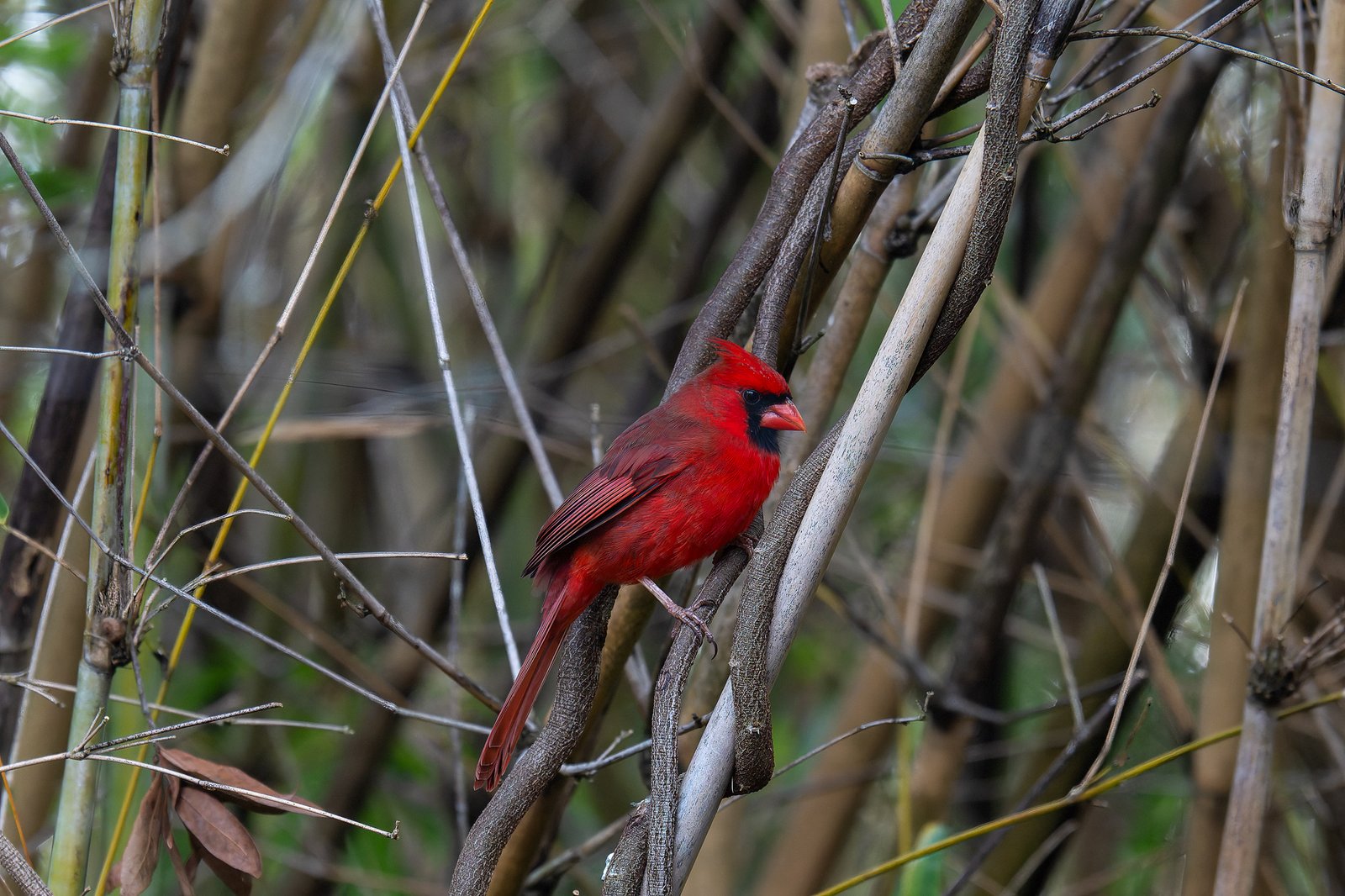
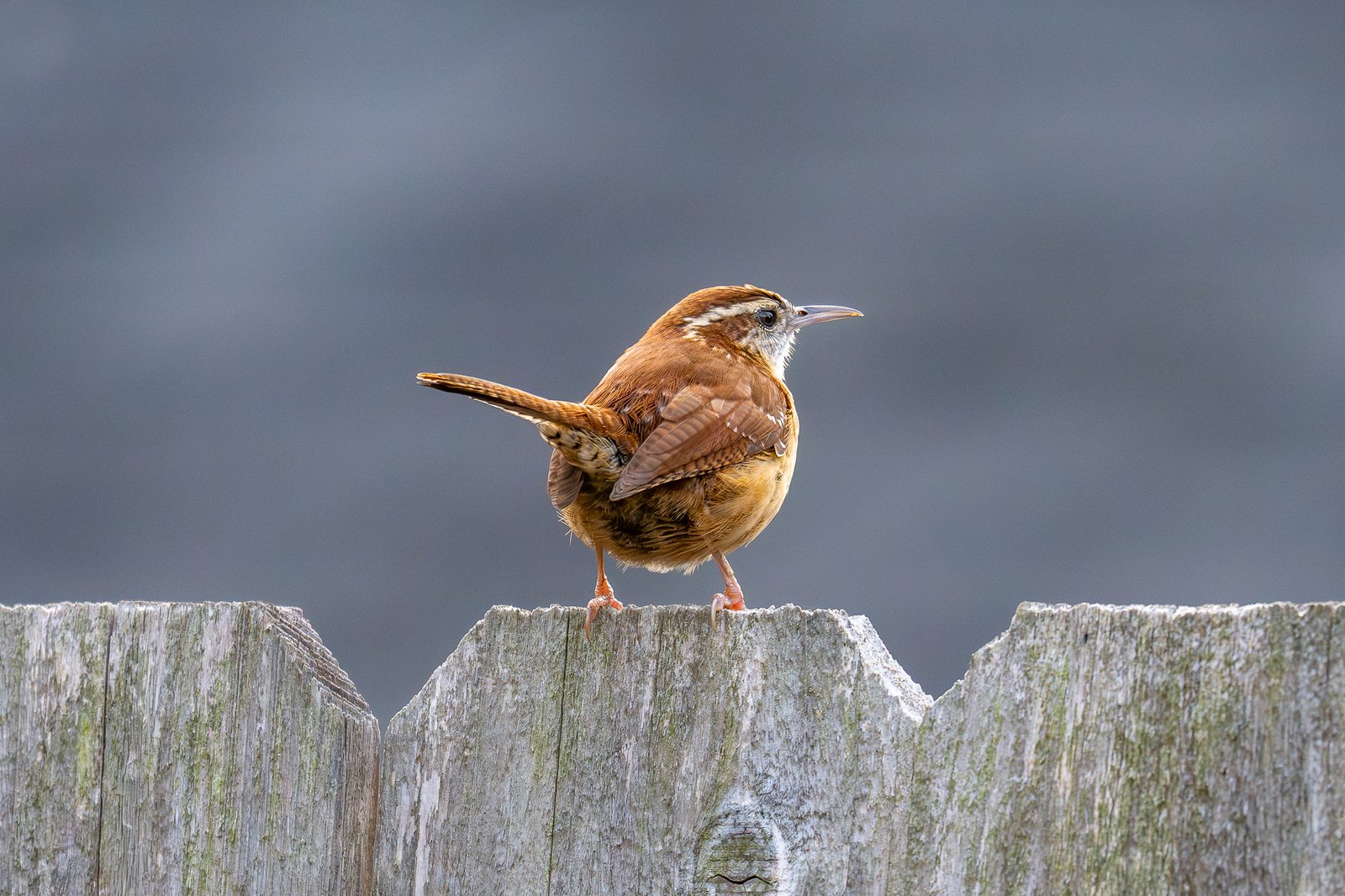
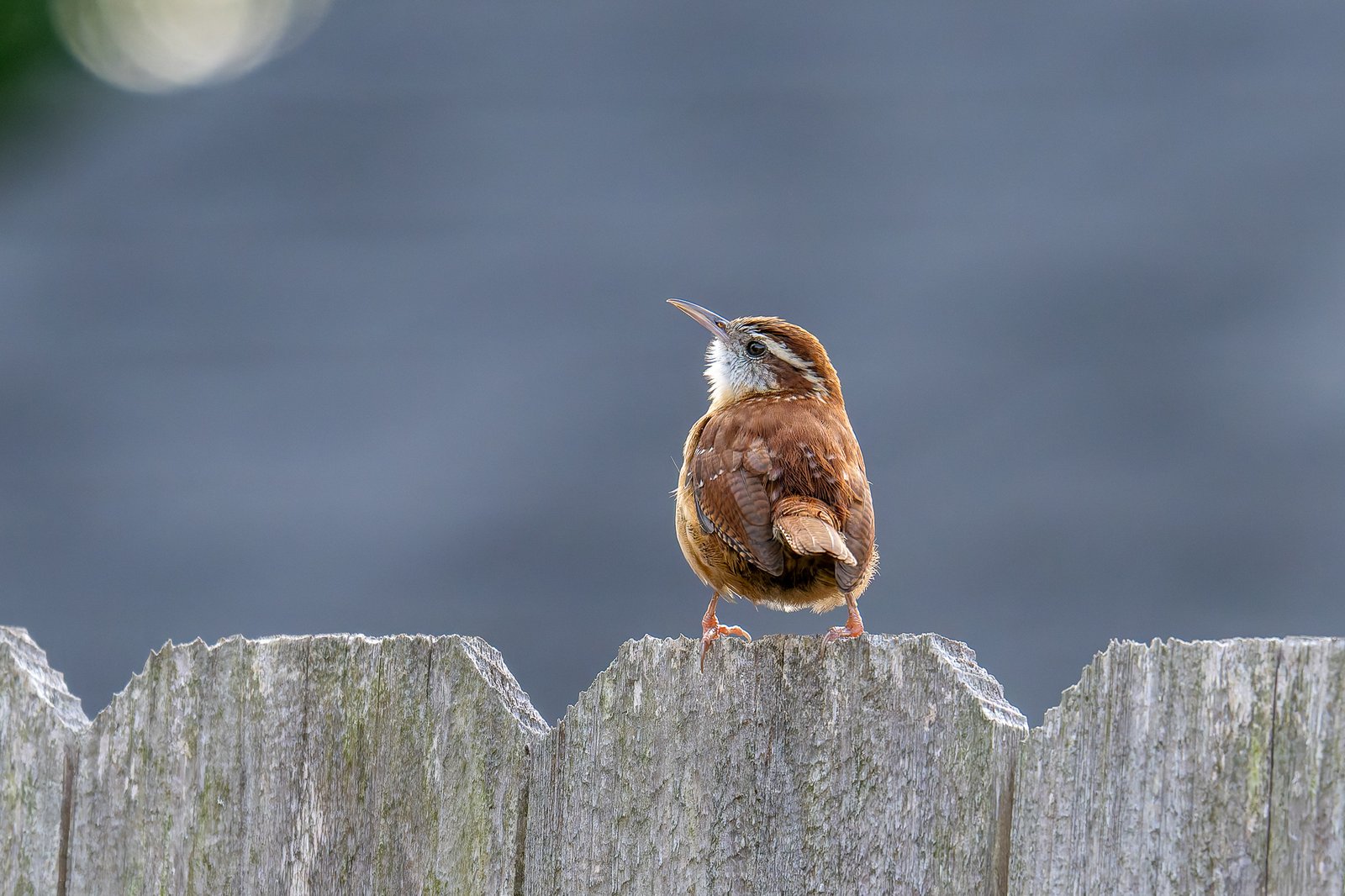
Charlie’s other visitors
While at Charlie’s, I photographed other birds visiting his feeders and grouped them separately.
“Look deep into nature, and then you will understand everything better.” – Albert Einstein
Click any image to view full size and browse the gallery.





What a fun hummingbird winter for you both and MS birders.
It is unusual and amazing!
Thanks for keeping us posted. Loved the video
It was fun making it, the video is actually all the below images played in a fast slideshow!
❤️
Hey Renee, Happy 2026