Migratory Bird Fallout
Last Thursday I was tied up with appointments, so Patty and Holly Berry headed over to the Clower Thornton Nature Area in Gulfport — just a few blocks from the Gulf. I checked in with her around 3:00 in the afternoon, and she was so excited she was barely coherent.
Two things had her fired up. First, she’d had the first of her two cataract surgeries earlier in the week, and she couldn’t believe how well she could pick out tiny warblers with just her one good eye. Second — and this was the big one — she was standing in the middle of a migratory bird fallout. (See explanation below.) Birds were everywhere around her; I could hear them through the phone.
Her birder friend Rhonda showed up and together they logged 48 species, and good numbers of each.
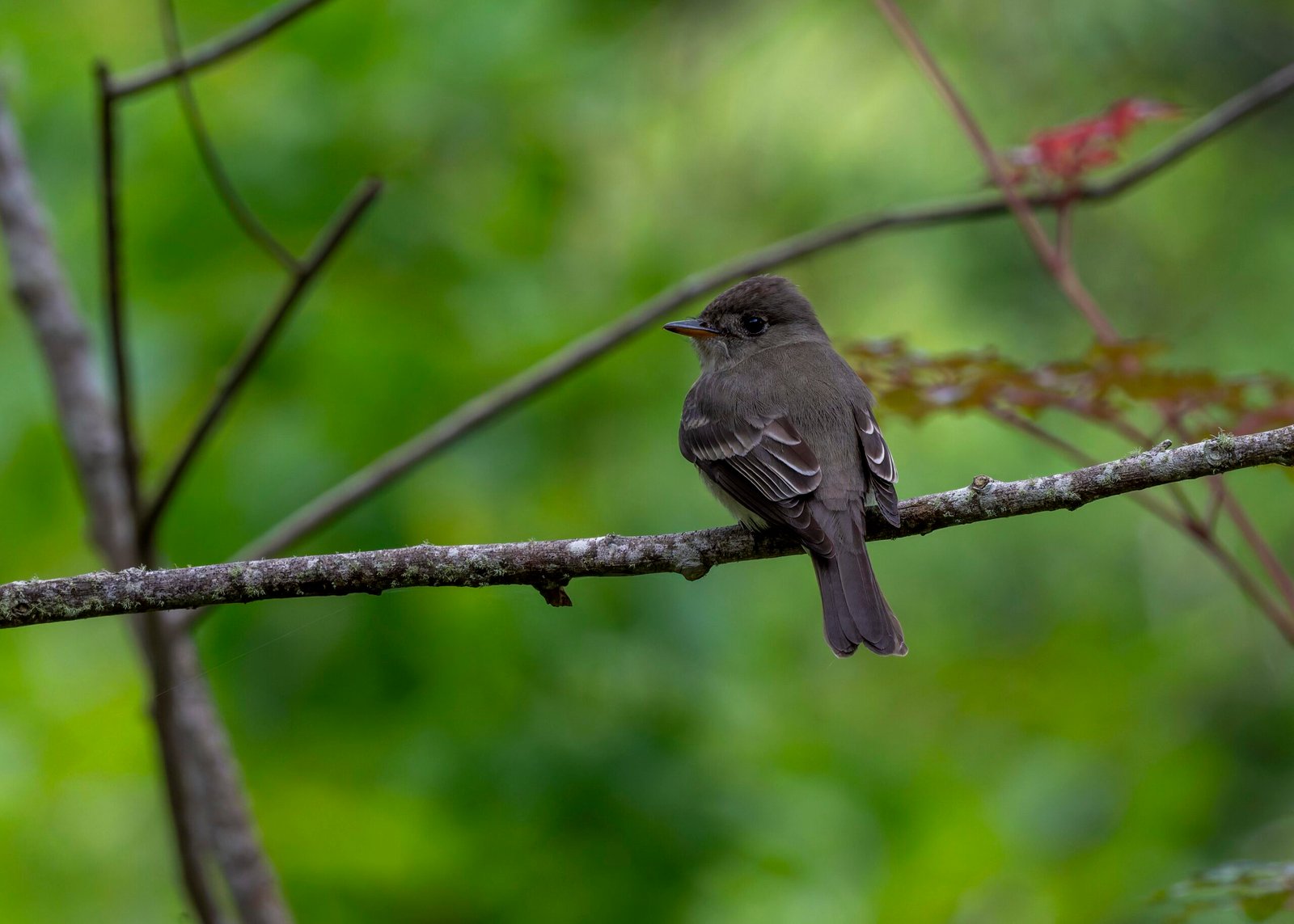
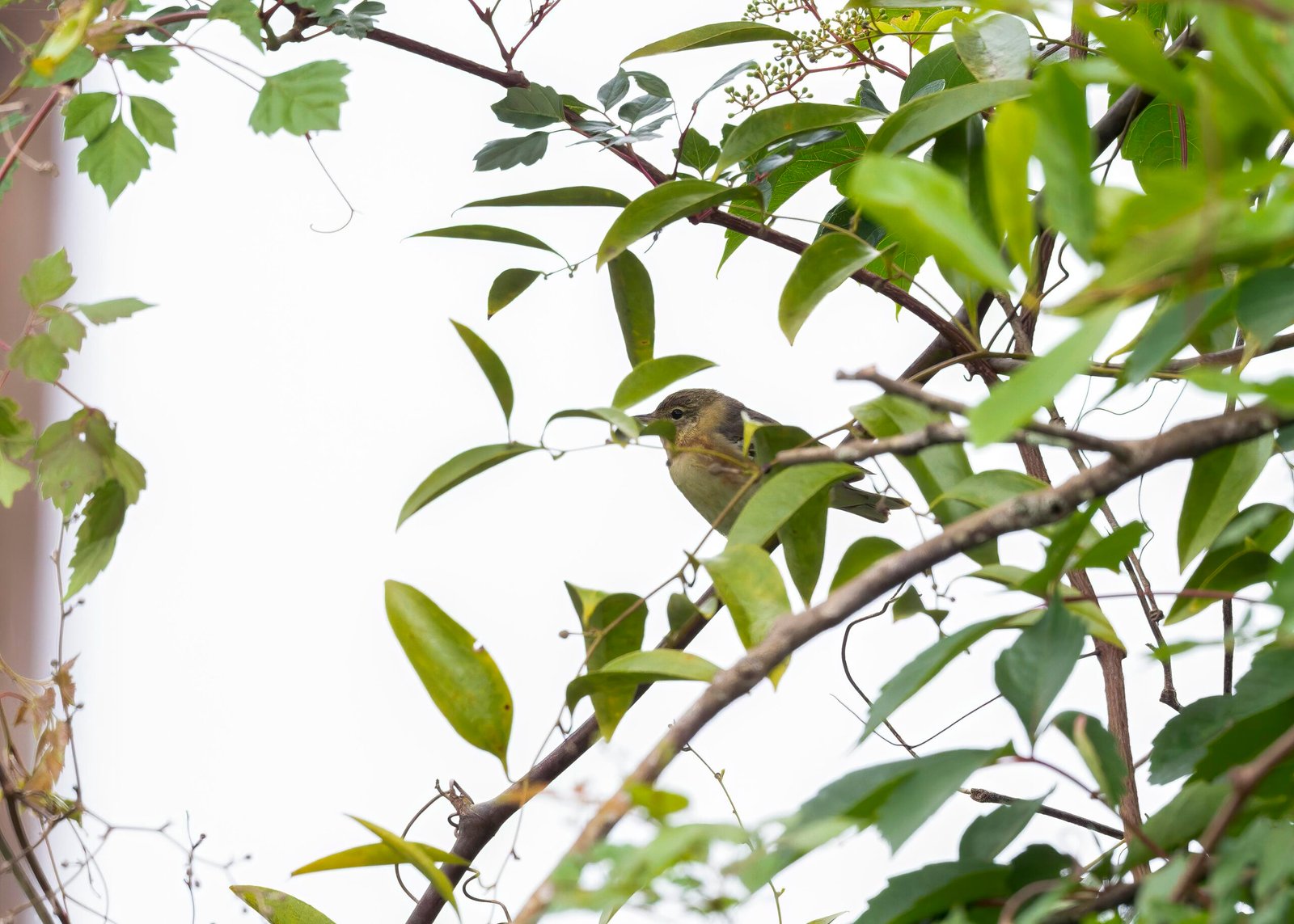
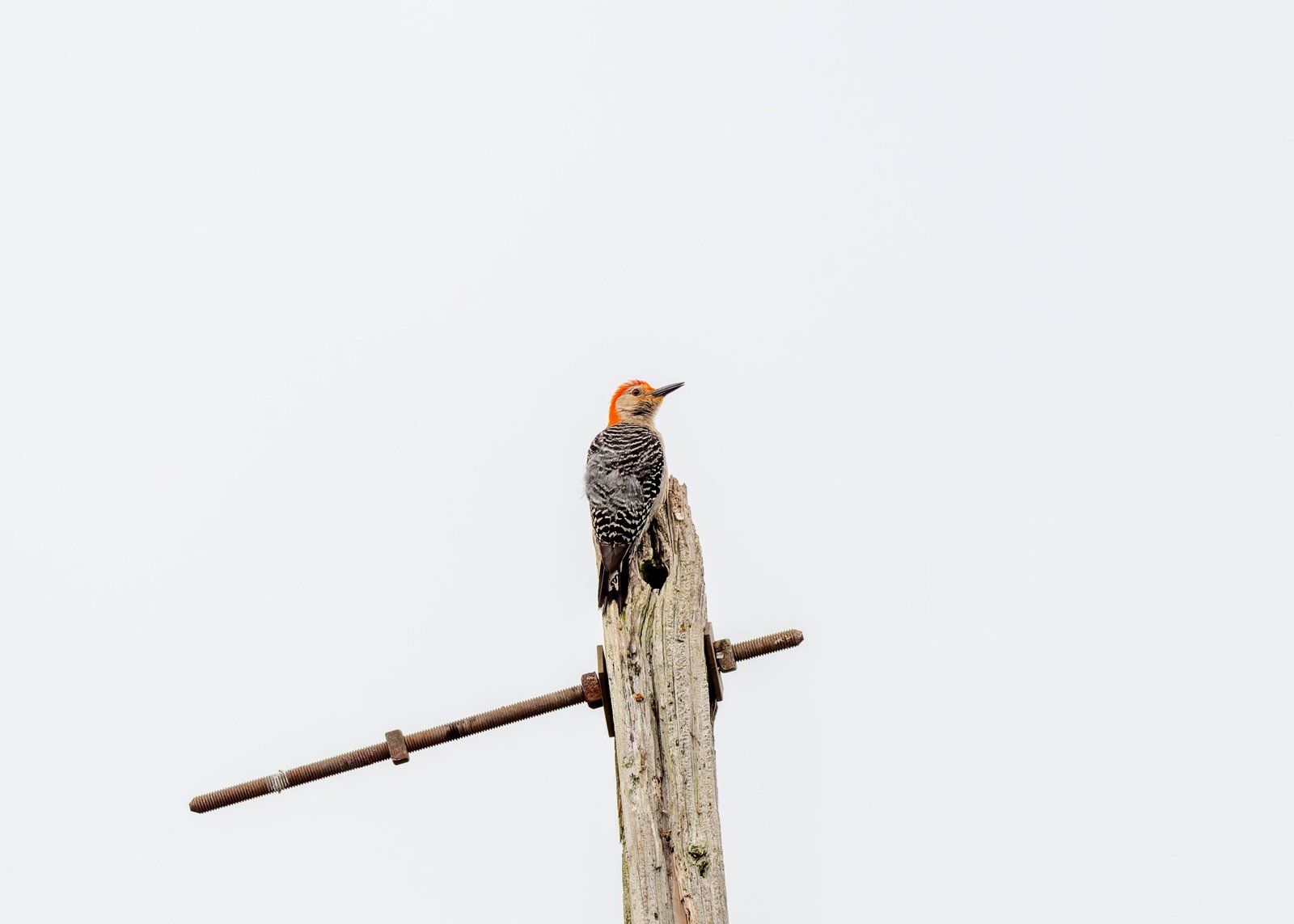
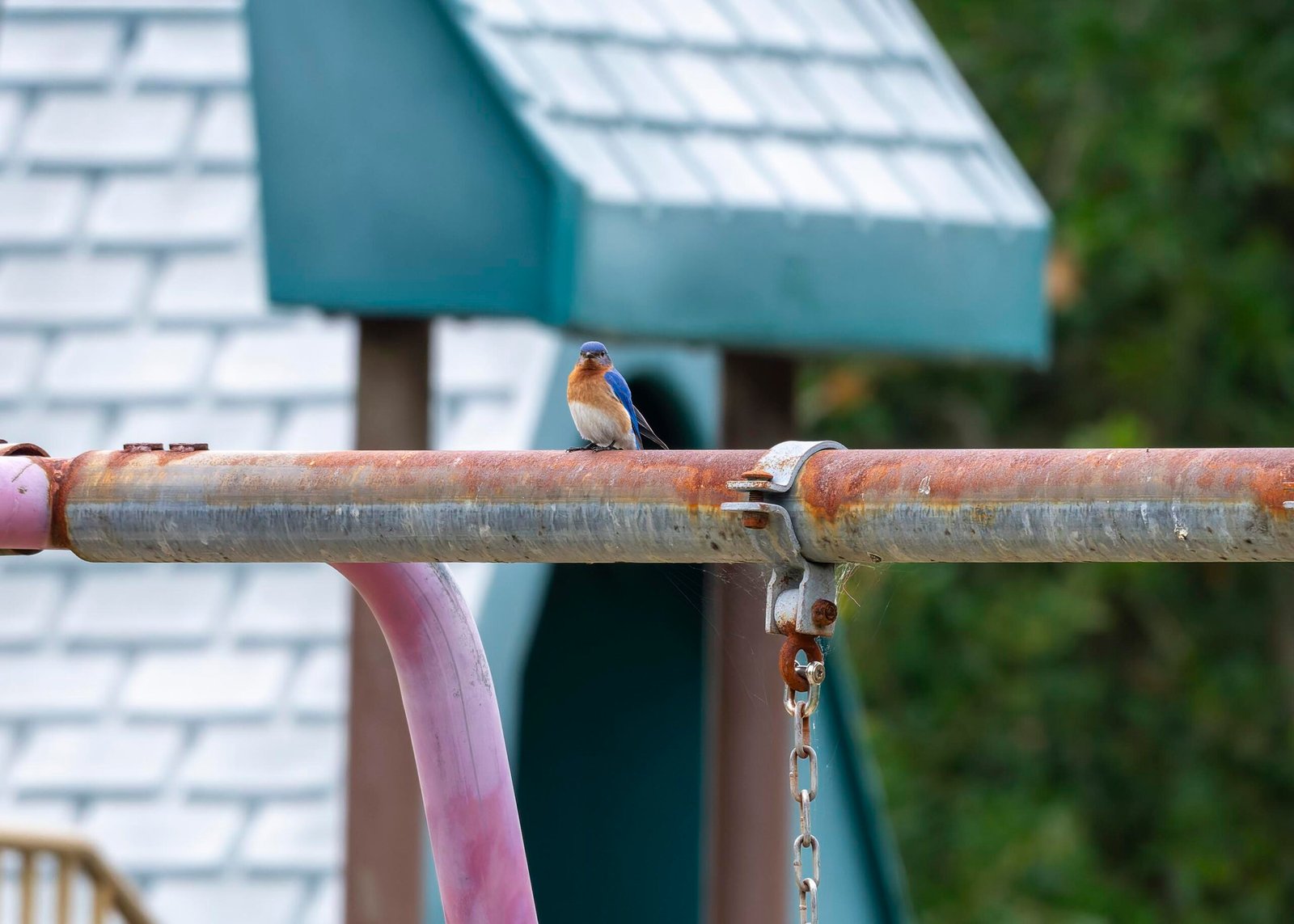
We went back out the next day and she added 32 more species. The birds are single-minded at this point — hunting insects, rebuilding the energy burned crossing the Gulf of Mexico, and fueling up for the push north. I managed to photograph a few, though it’s a real challenge. They move fast and stay deep in the canopy, which makes a clean image hard to come by.
“Man did not weave the web of life—he is merely a strand in it. Whatever he does to the web, he does to himself.”
Chief Seattle
Click any image to view full size and browse the gallery.




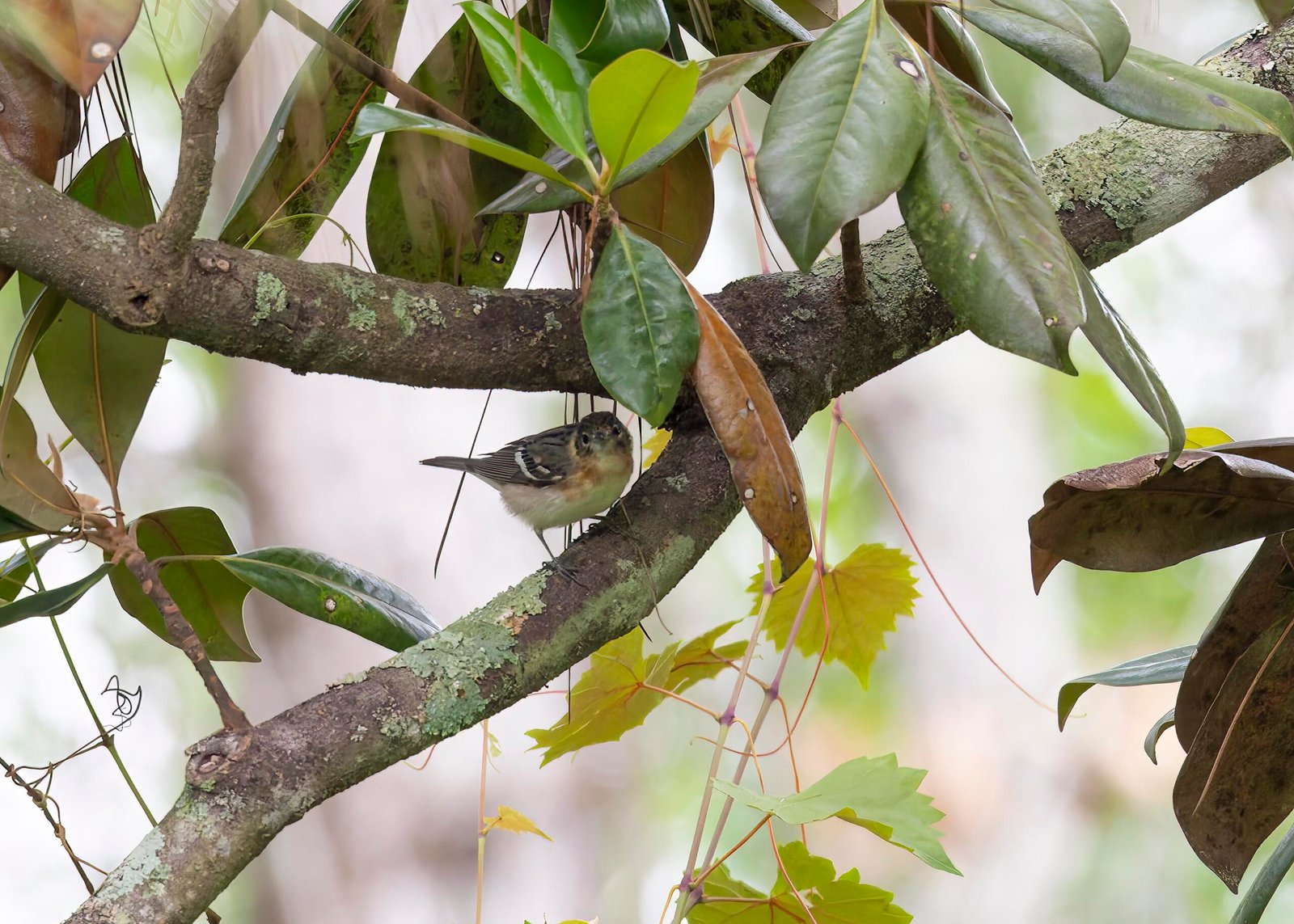


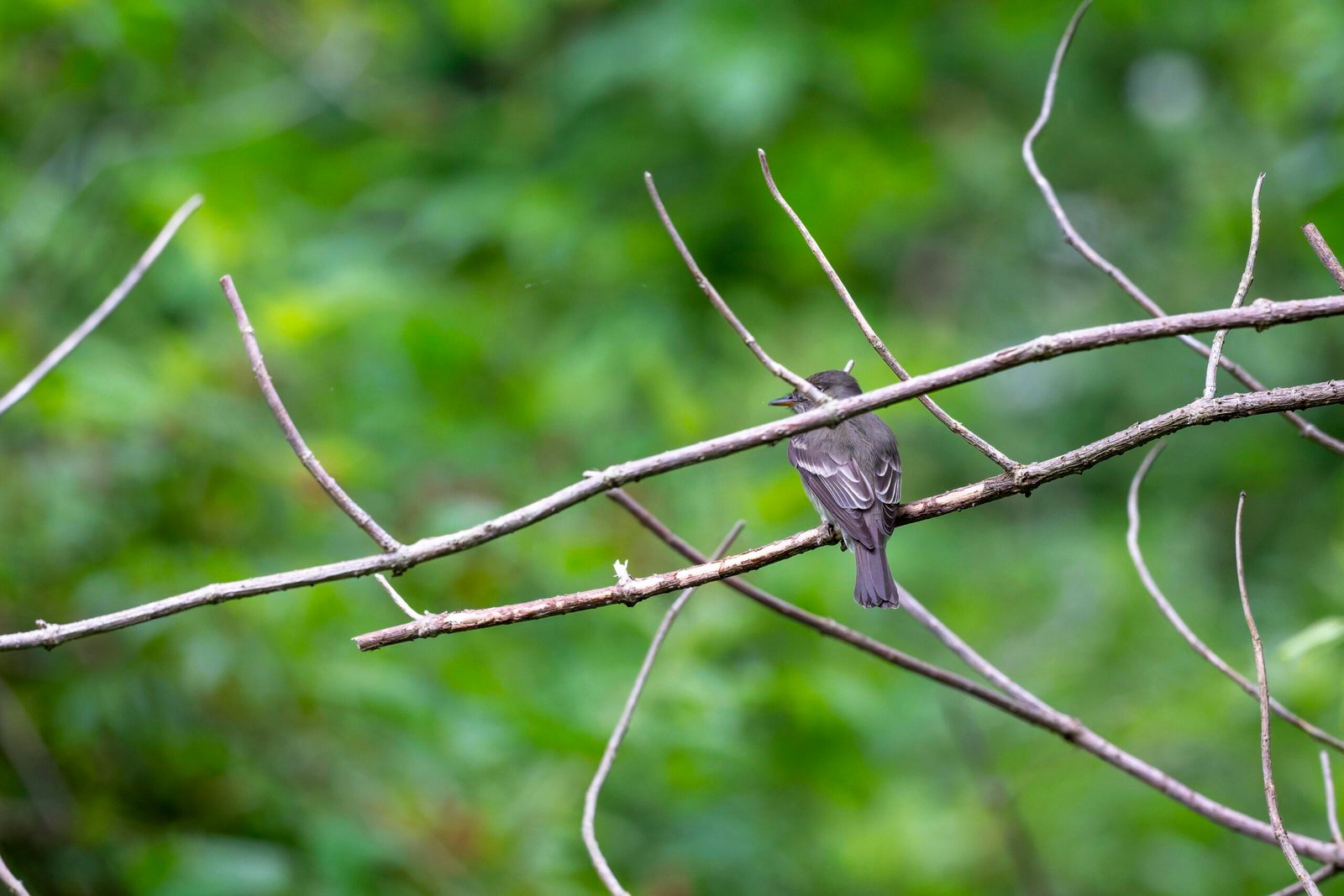


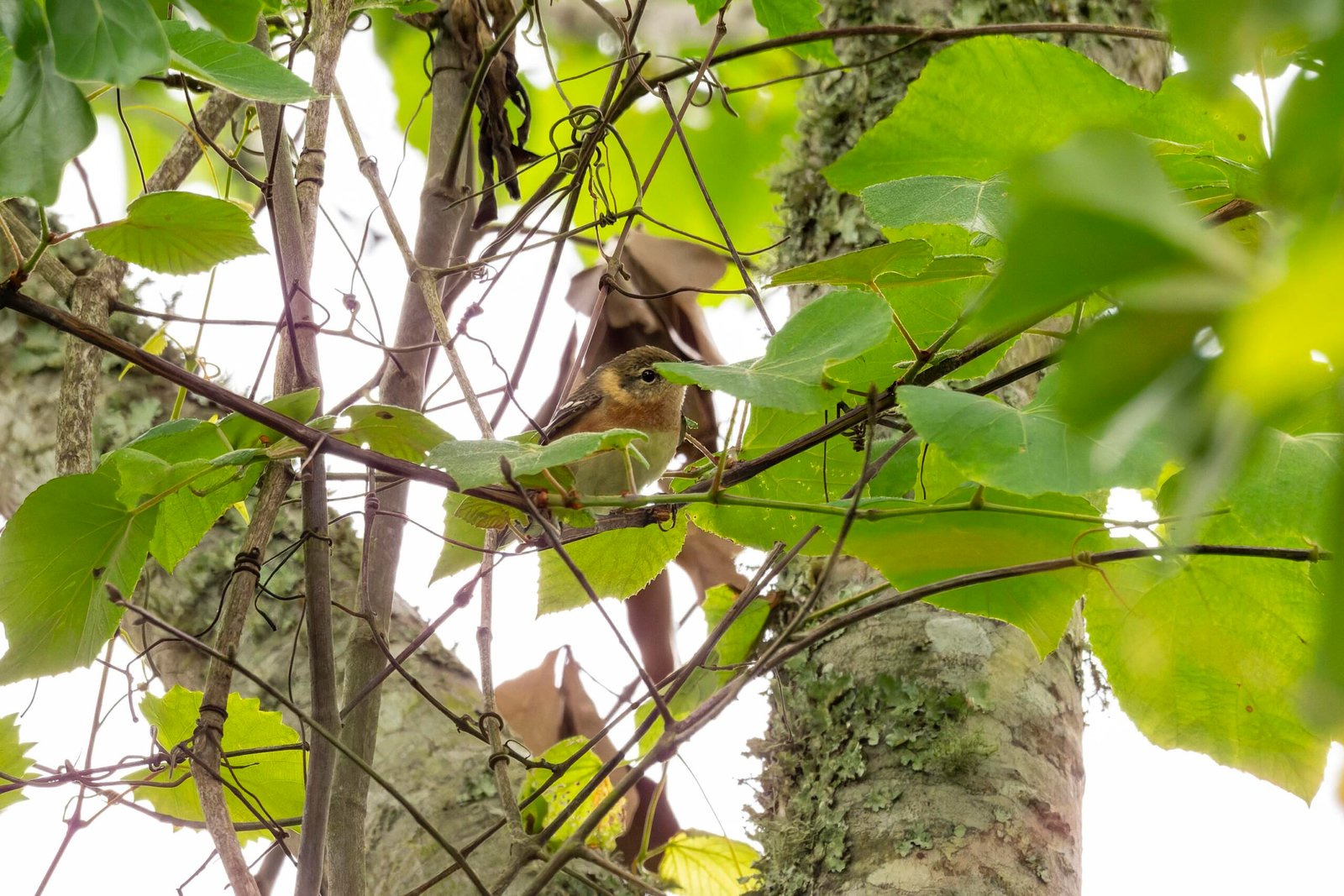

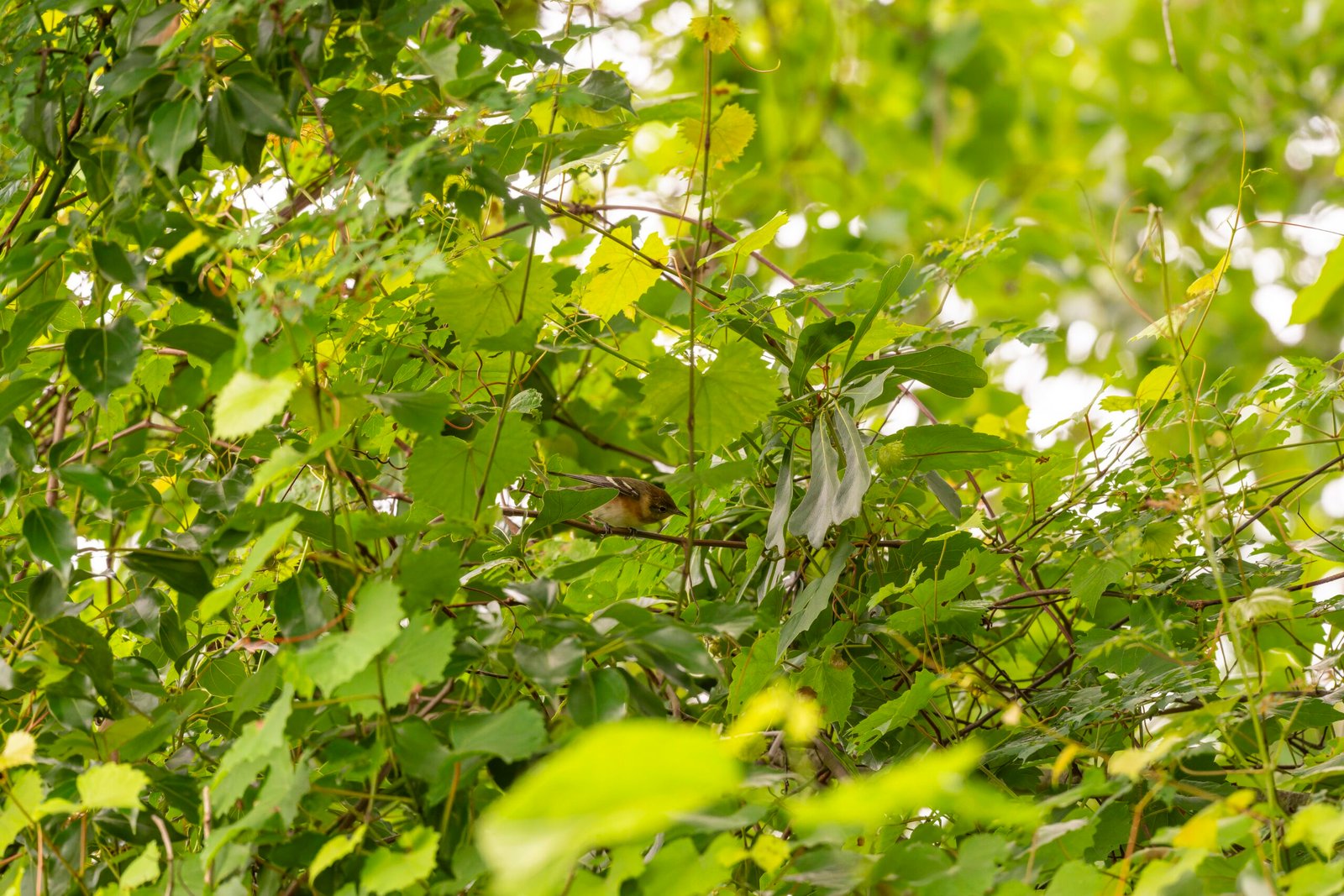

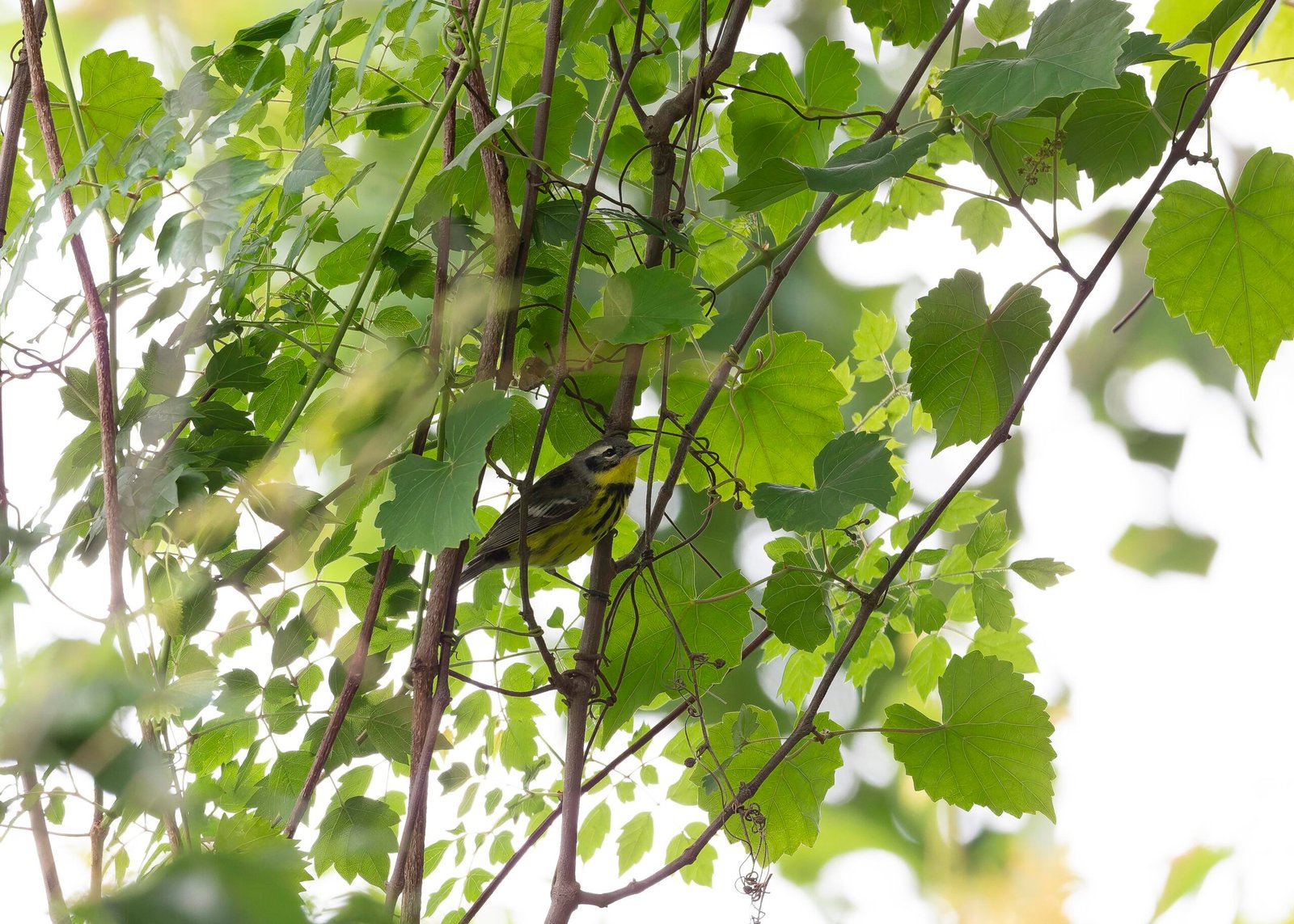


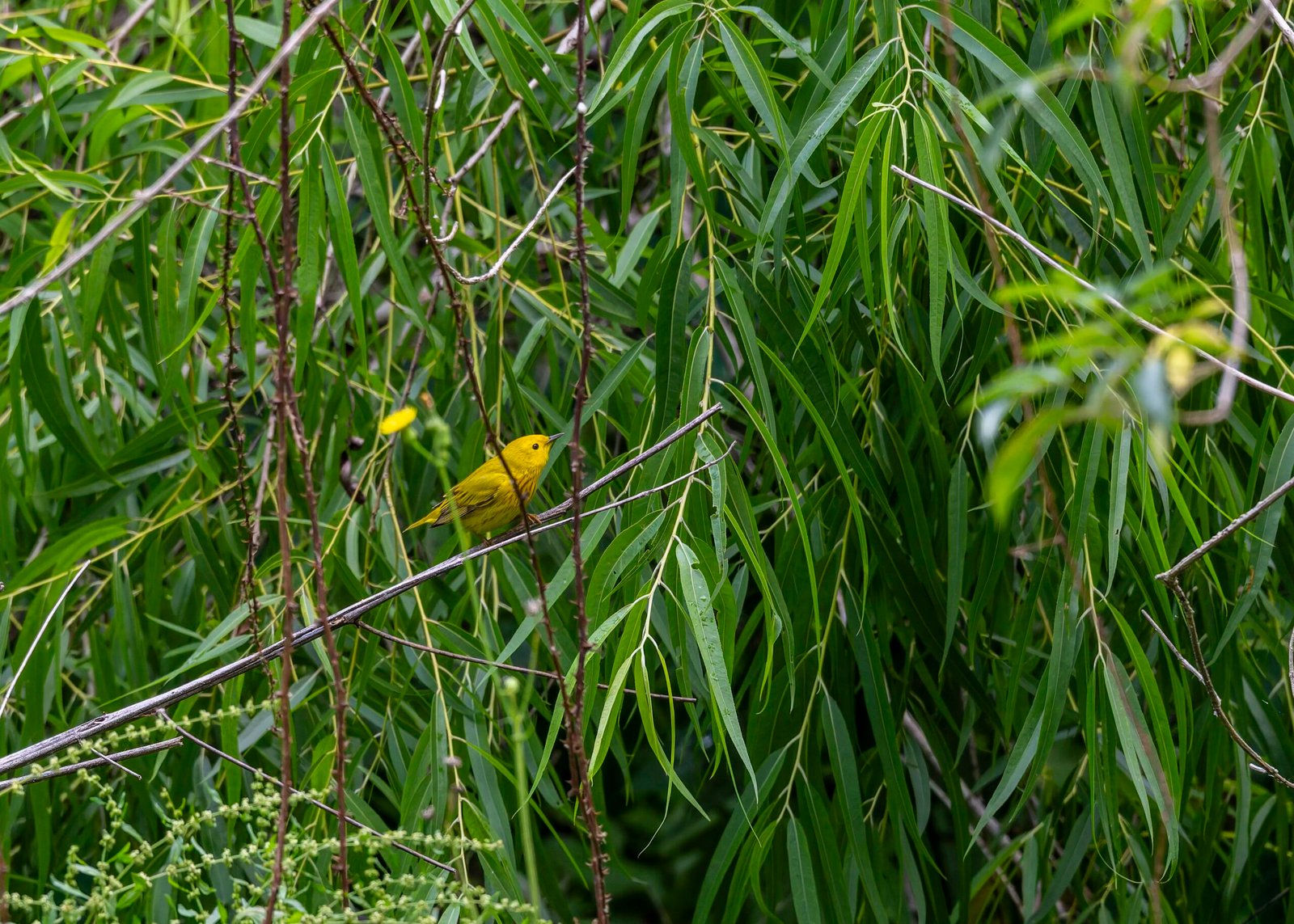
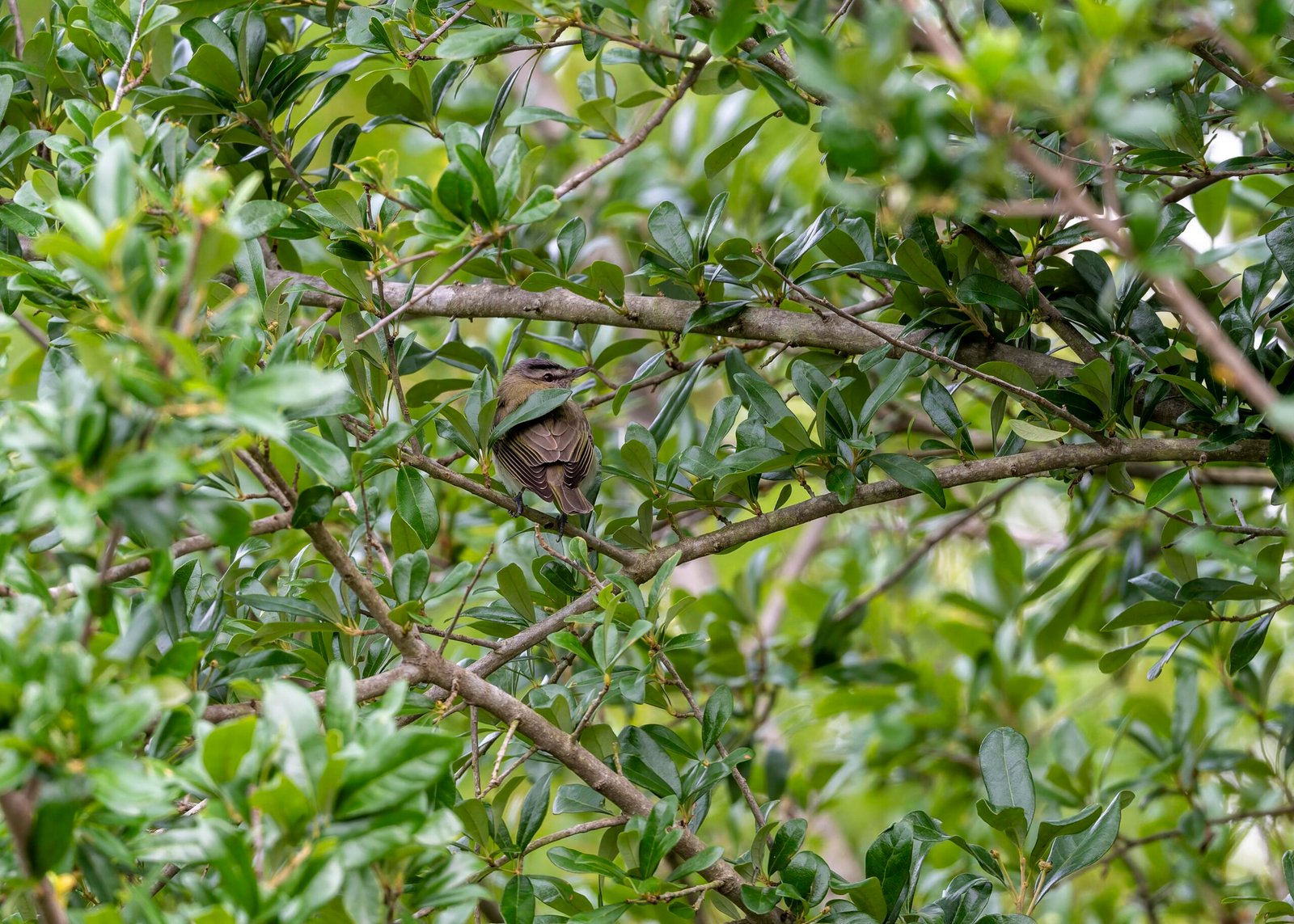

“You are not Atlas carrying the world on your shoulder. It is good to remember that the planet is carrying you.”
Vandana Shiva
Migratory Bird Fallout
A migratory bird fallout is a spectacular, sudden, and temporary concentration of migrating birds that are forced to land in large numbers due to severe weather conditions (like rain or headwinds) during their journey. These exhausted birds, often in large numbers and high diversity, “fall out” of the sky to rest, refuel, and wait for better weather.
Key Aspects of a Fallouts:
- When & Where: Primarily occurs during spring migration when birds are flying from Central/South America to North America, particularly along the Gulf Coast, coastlines, and major water bodies.
- Cause: Migrants, such as warblers, vireos, and tanagers, encounter storms, strong head winds, or heavy fog over large water bodies, exhausting their energy reserves, which forces them to land immediately upon reaching land.
- The Scene: Trees and shrubbery can become filled with thousands of birds, frequently in bright breeding plumage, allowing birders to see many species simultaneously.
- Impact: While a thrilling event for birders, it is stressful for birds, which immediately start searching for insects or nectar to replenish their energy.
For example, on the Gulf Coast in spring, birds crossing the Gulf of Mexico may hit a cold front, forcing them to land in coastal Texas, Louisiana, Mississippi in immense numbers.
Nice shots – i particularly like the one in the facebook post.