September 6, 2026
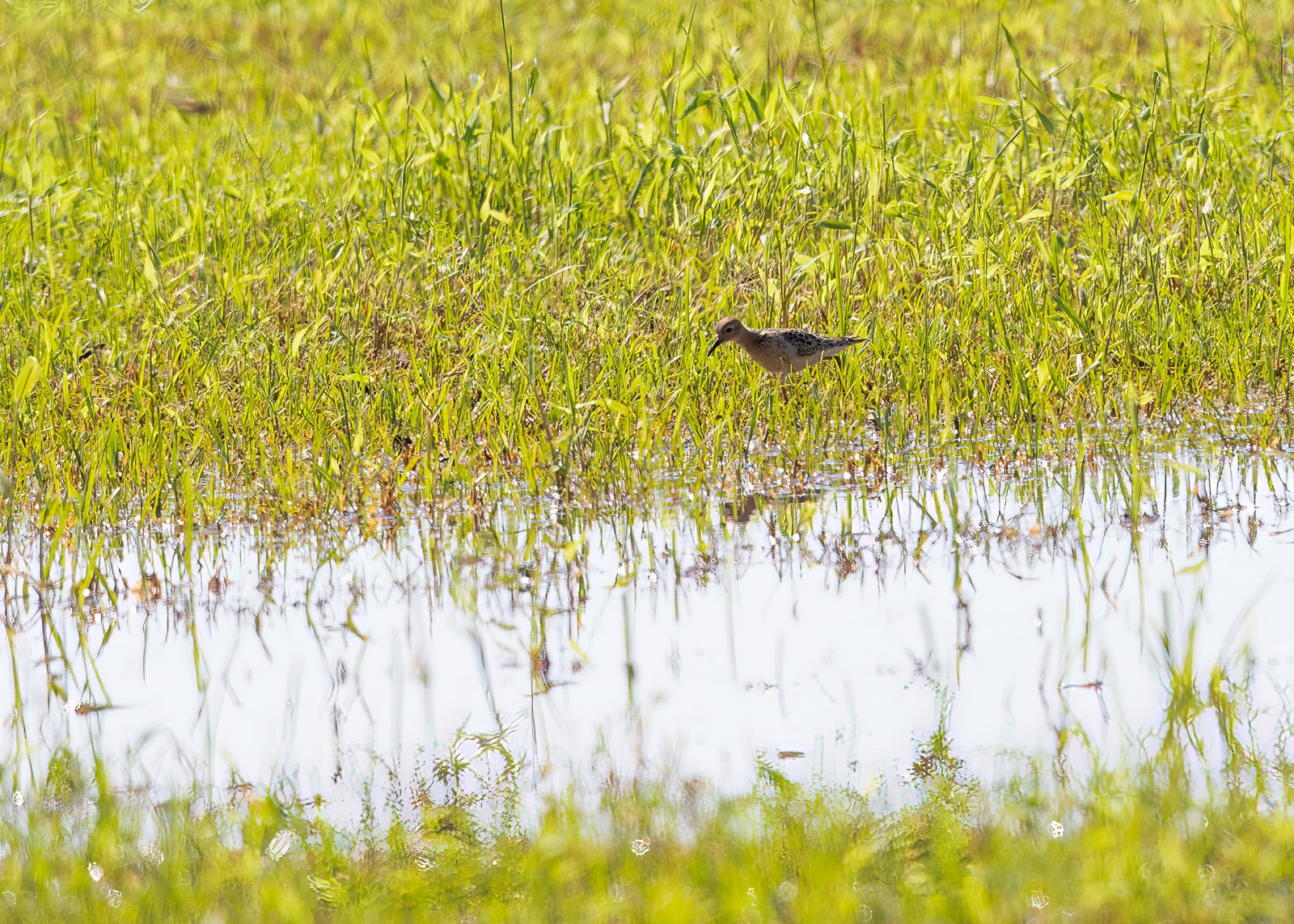
Patty, the kids, and I had our Sunday morning breakfast at Fat Spoon. Midway through, Patty got word of a sighting on the coast in Biloxi — a Buff-breasted Sandpiper on the large lawn in front of Harrah’s. They’re an unusual bird and a species of growing conservation concern. And a life bird for Patty.
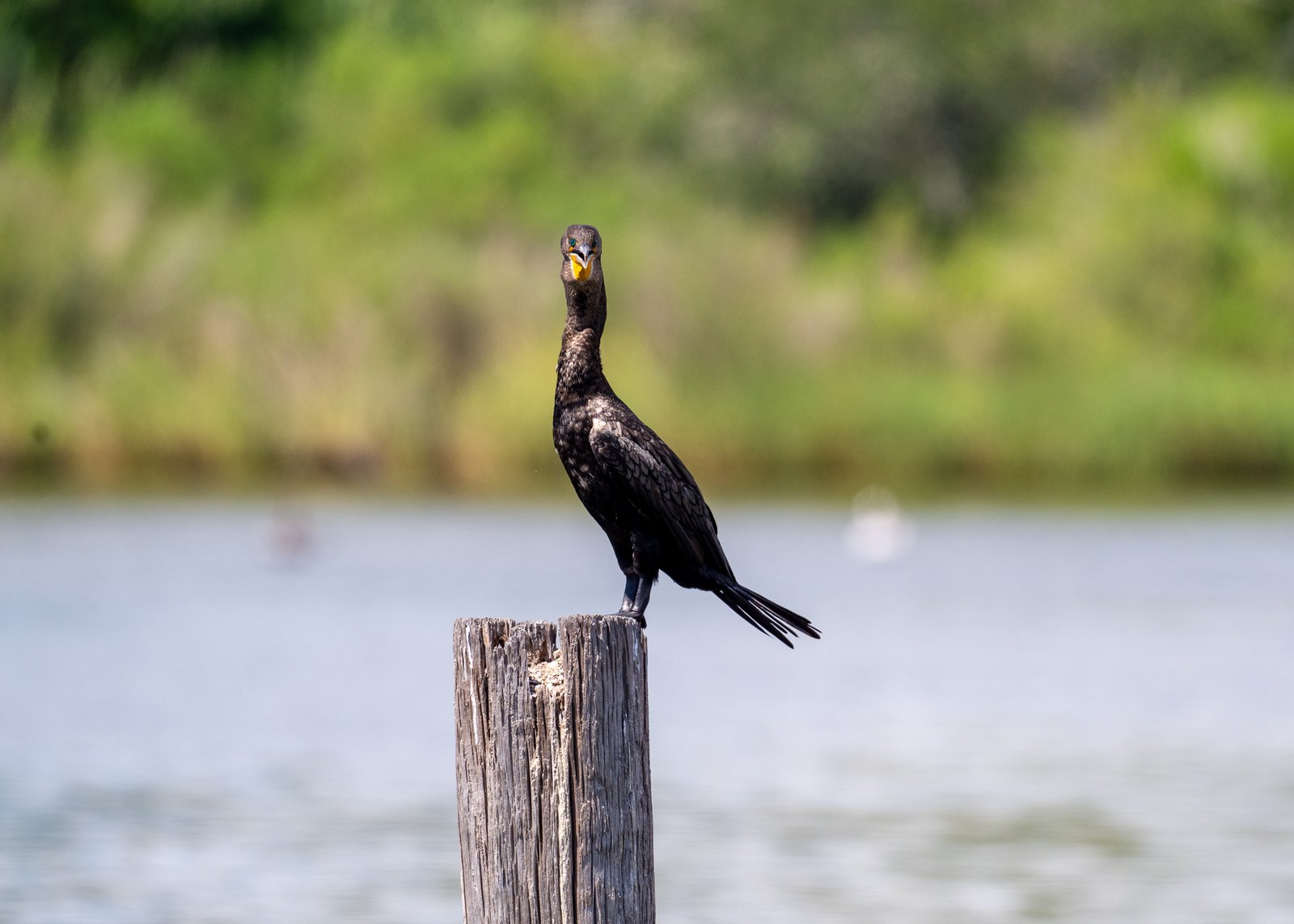
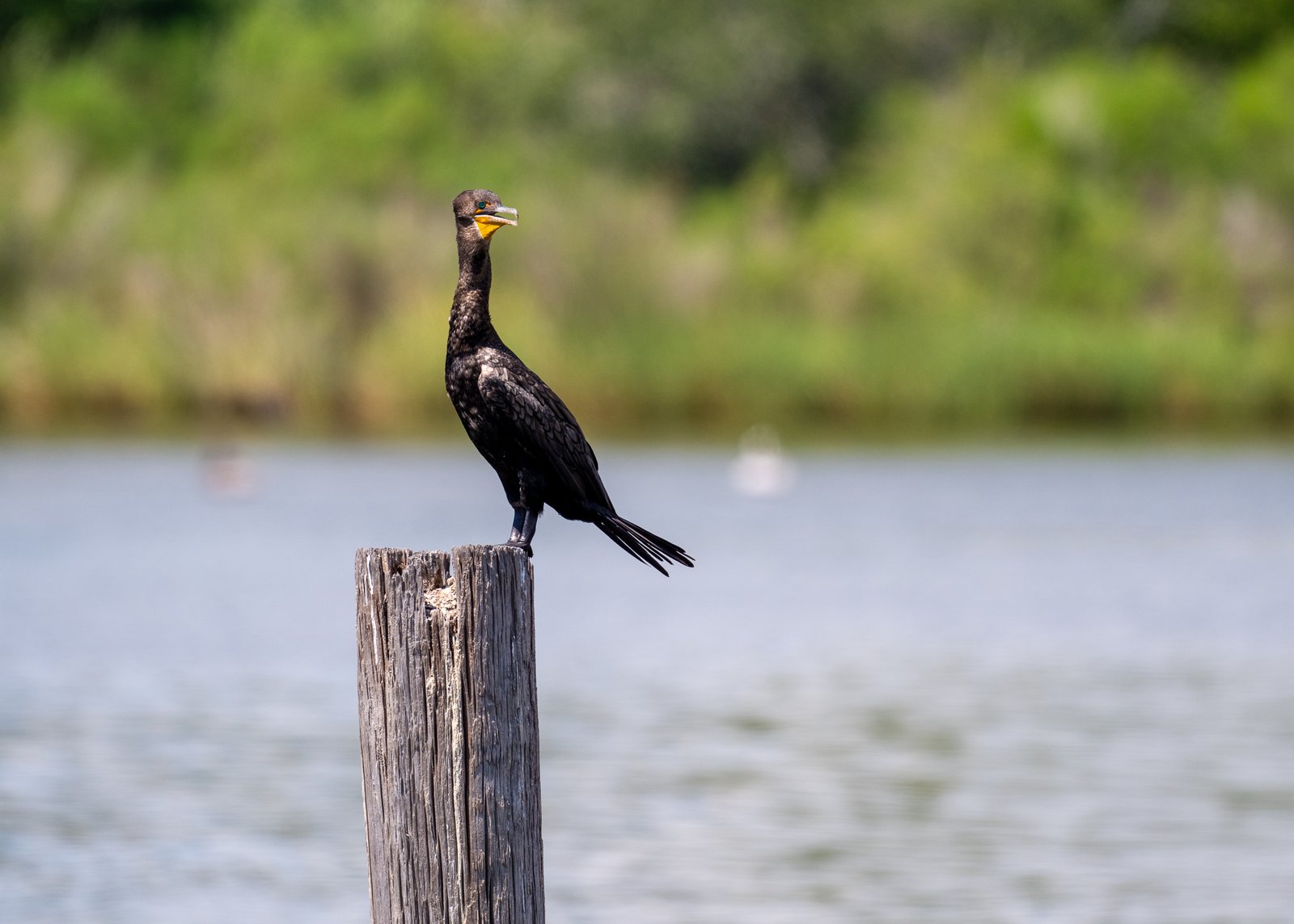
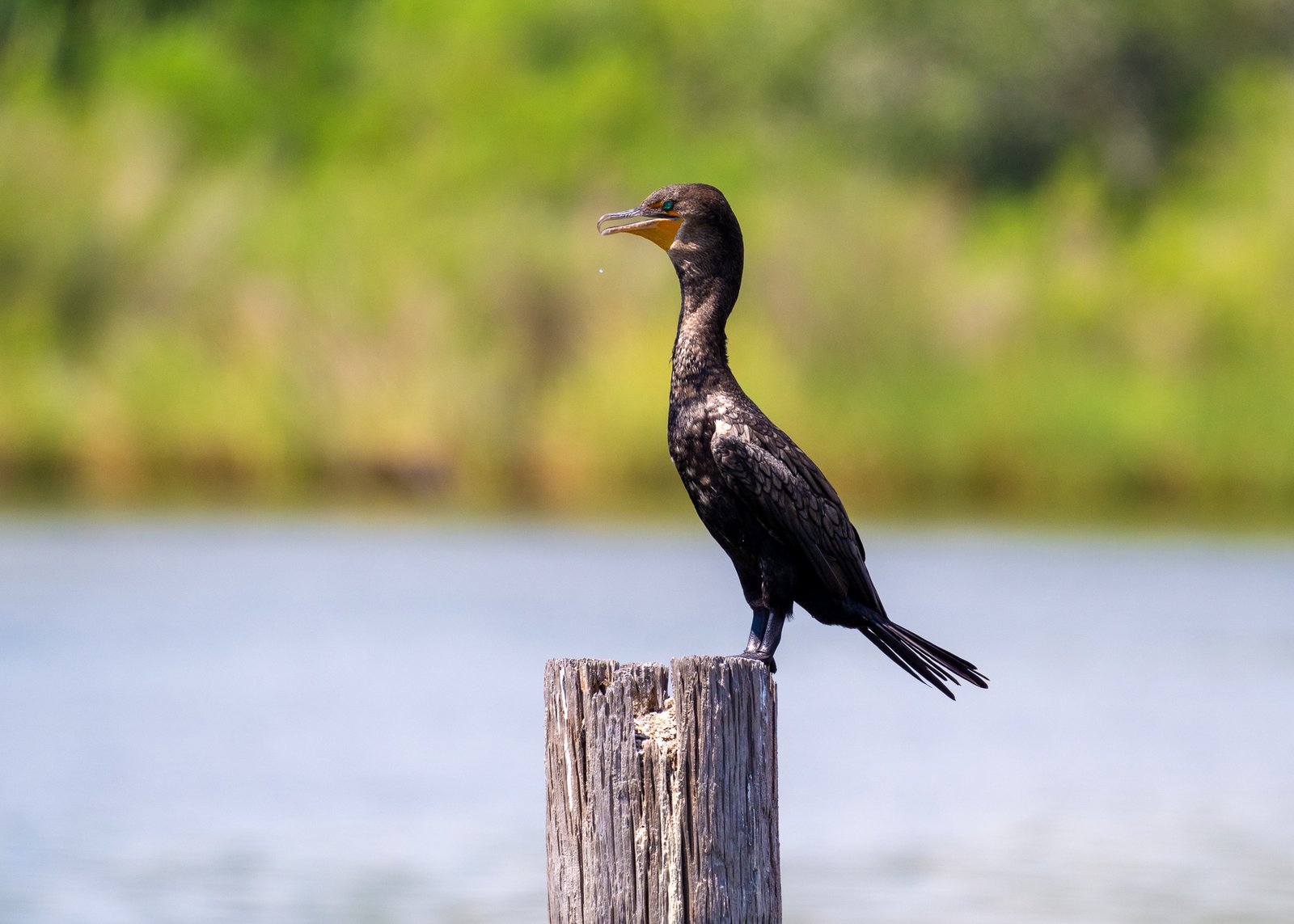
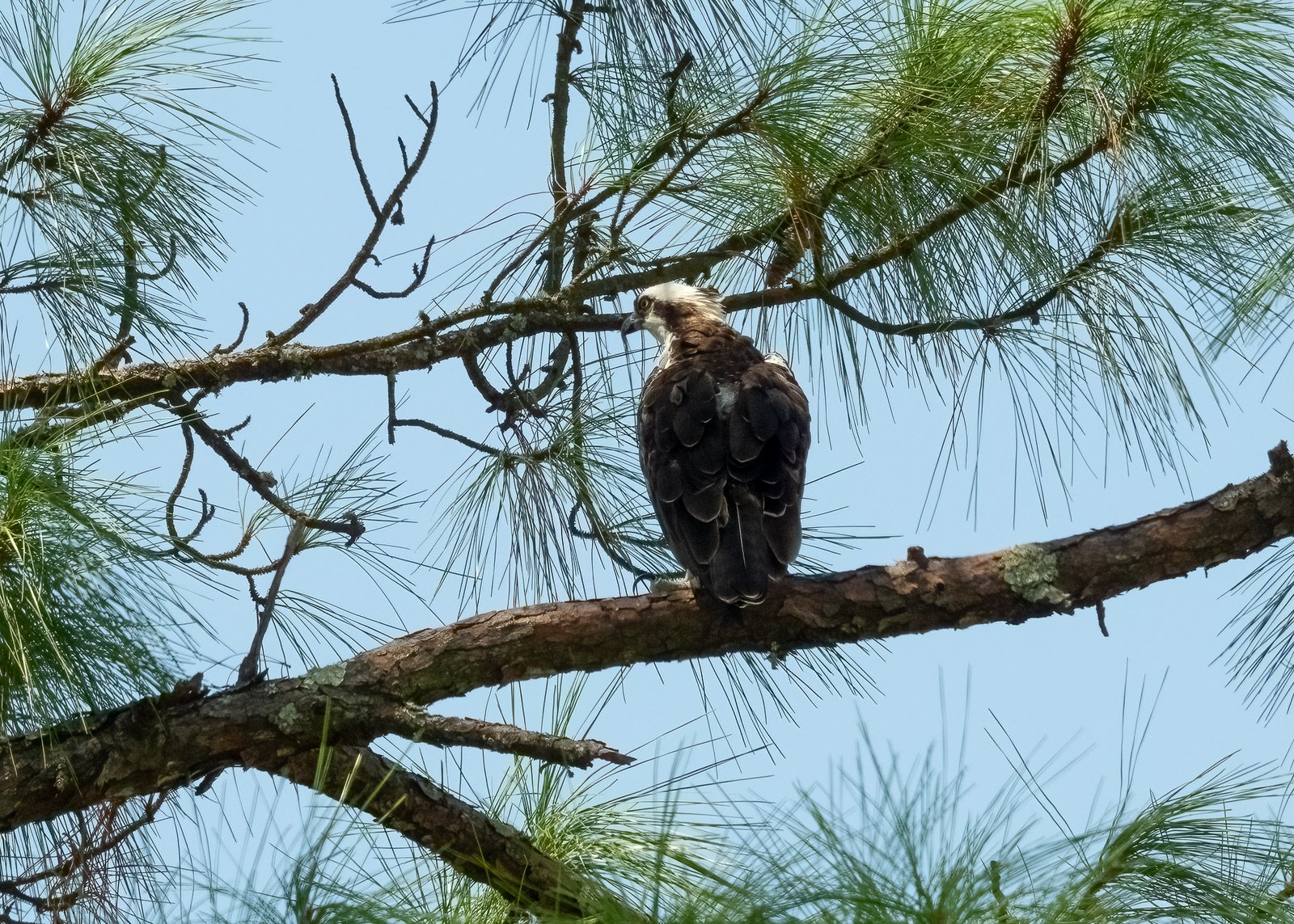
We took off across the bridge to Biloxi, and sure enough, there it was. Patty did her life bird dance, which never gets old, and I got the pictures you see below. From there we headed back to Back Bay Boulevard to check in on some of the usual residents, and you’ll find those below as well.
The Buff-breasted Sandpiper’s story is at the bottom of the post.
Click the image to view full size and browse the gallery.


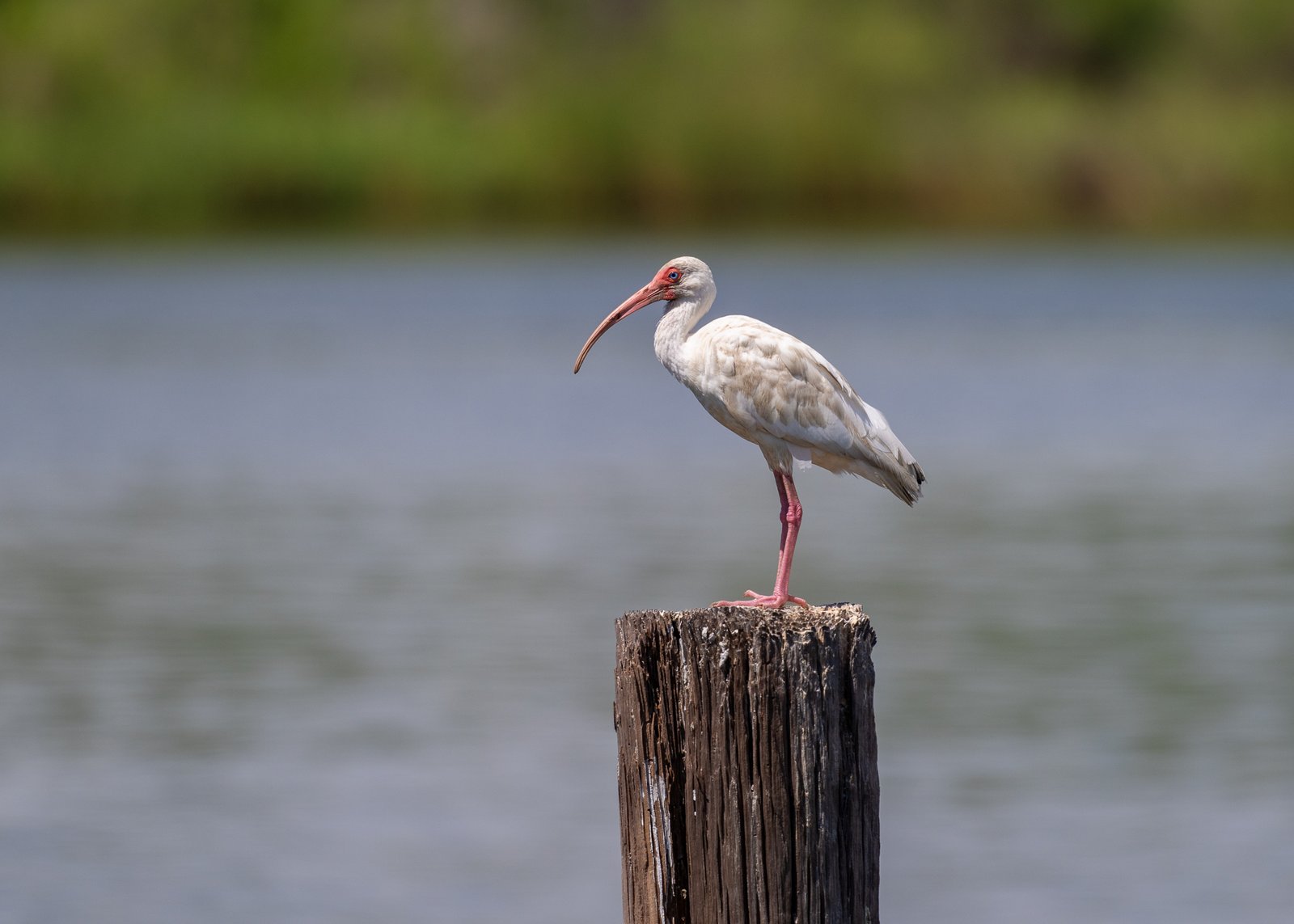
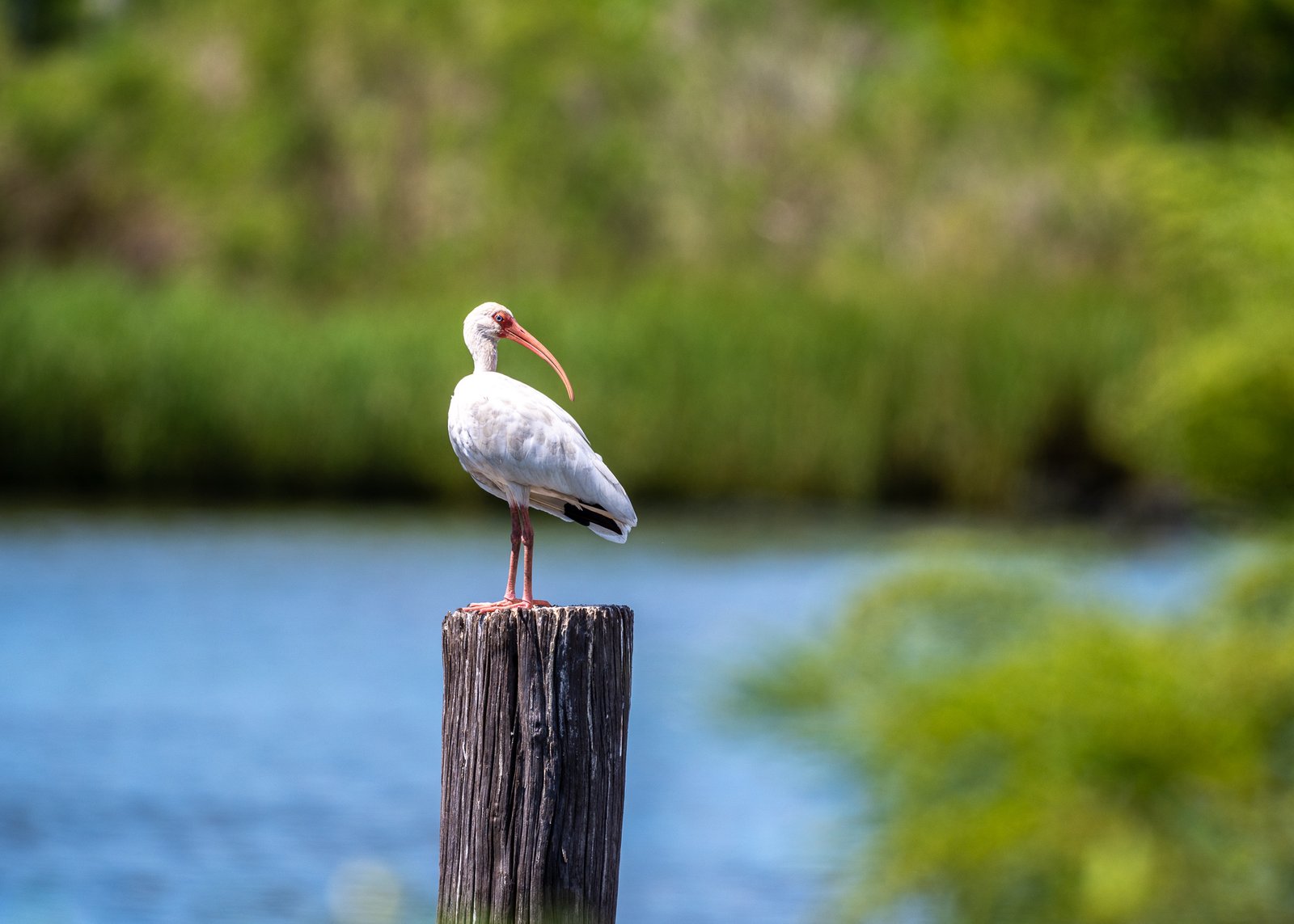
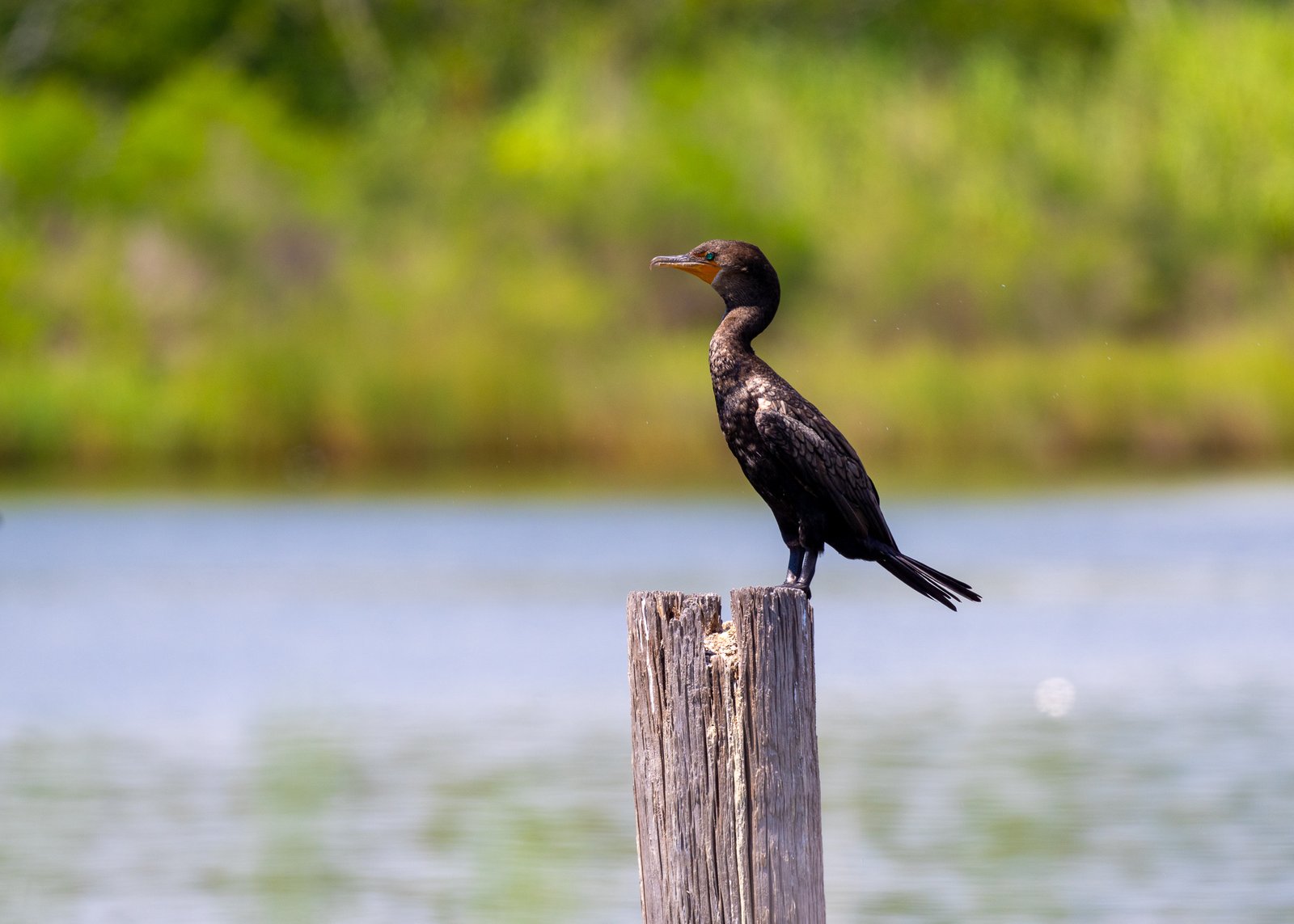
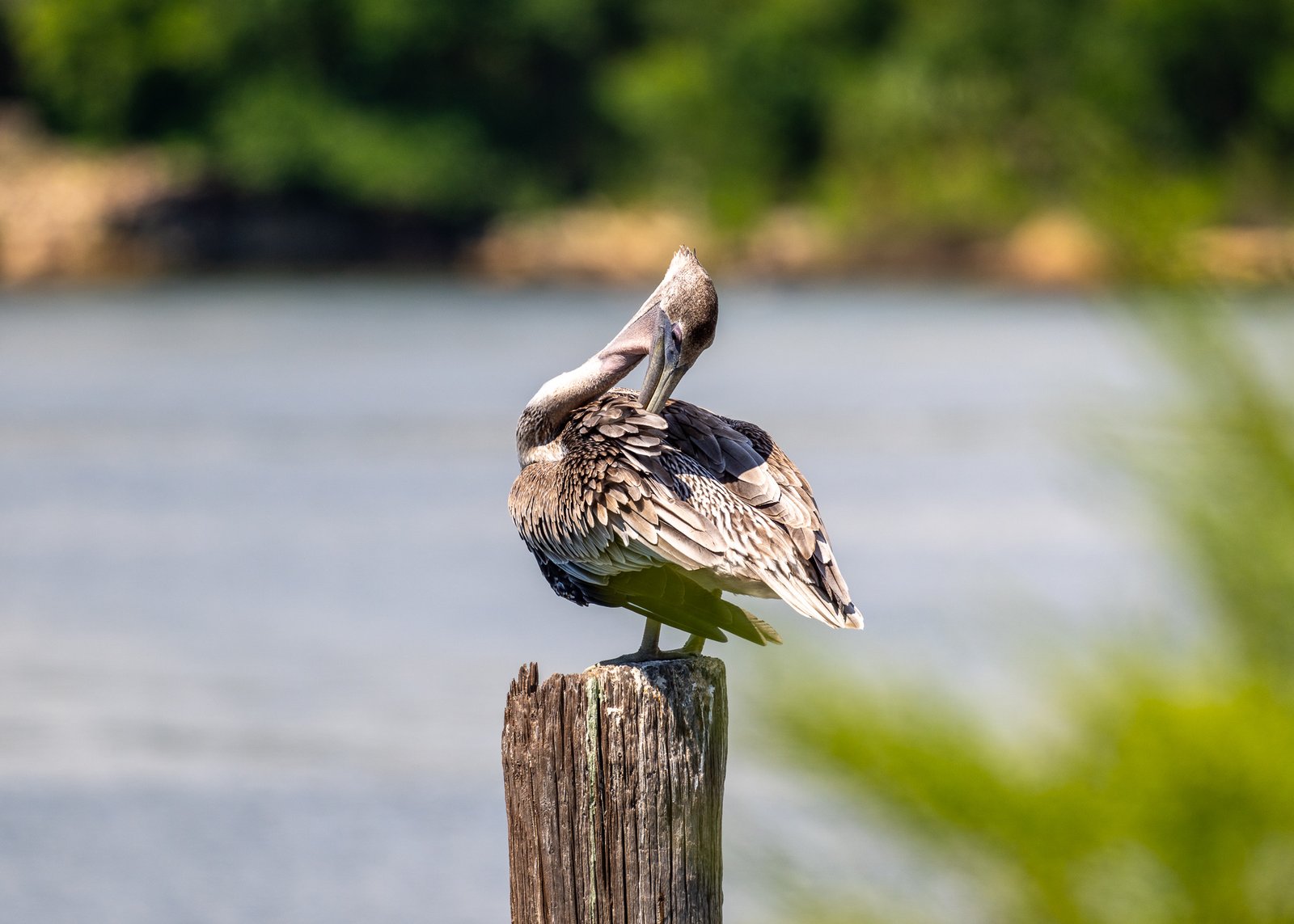
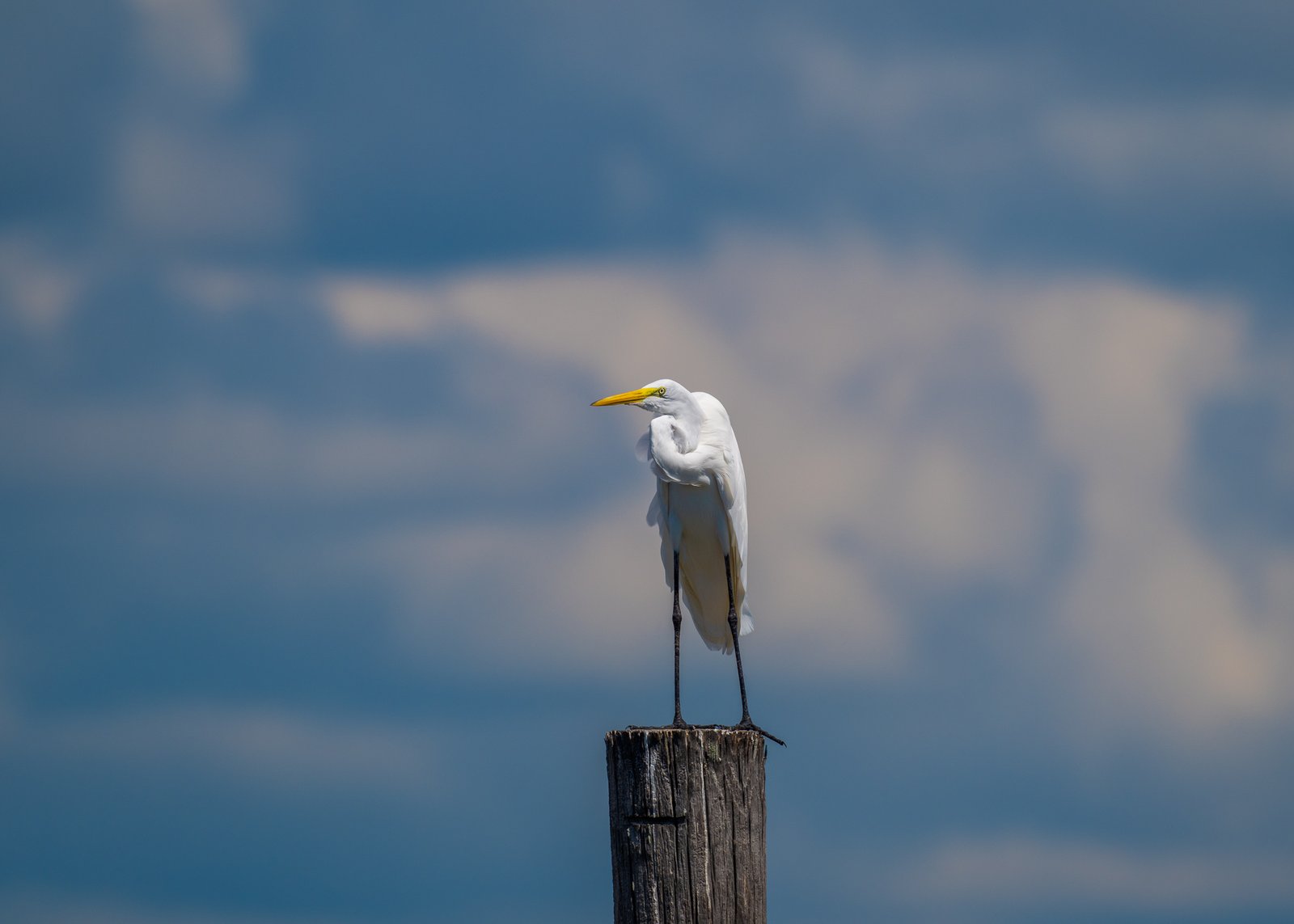

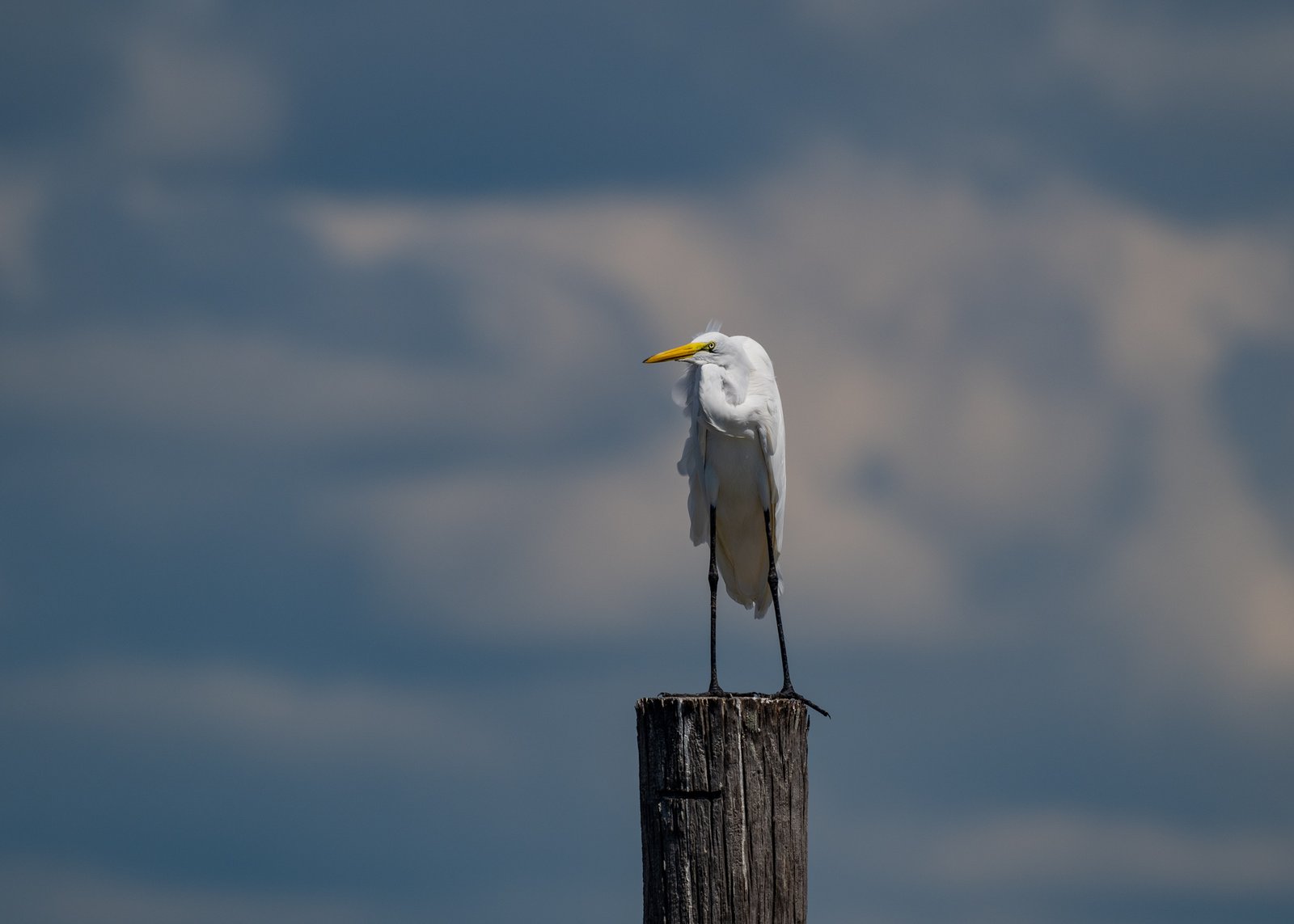

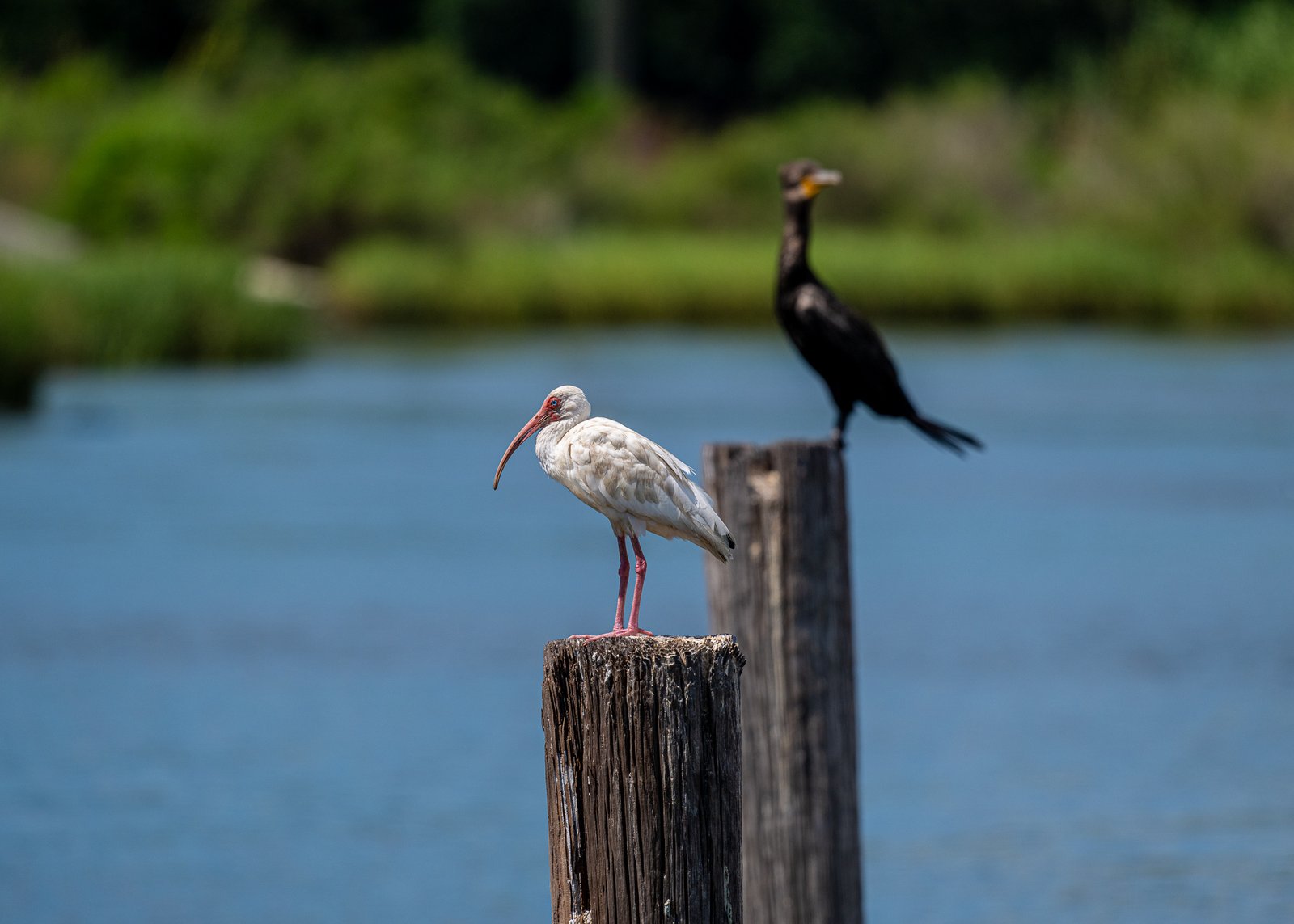
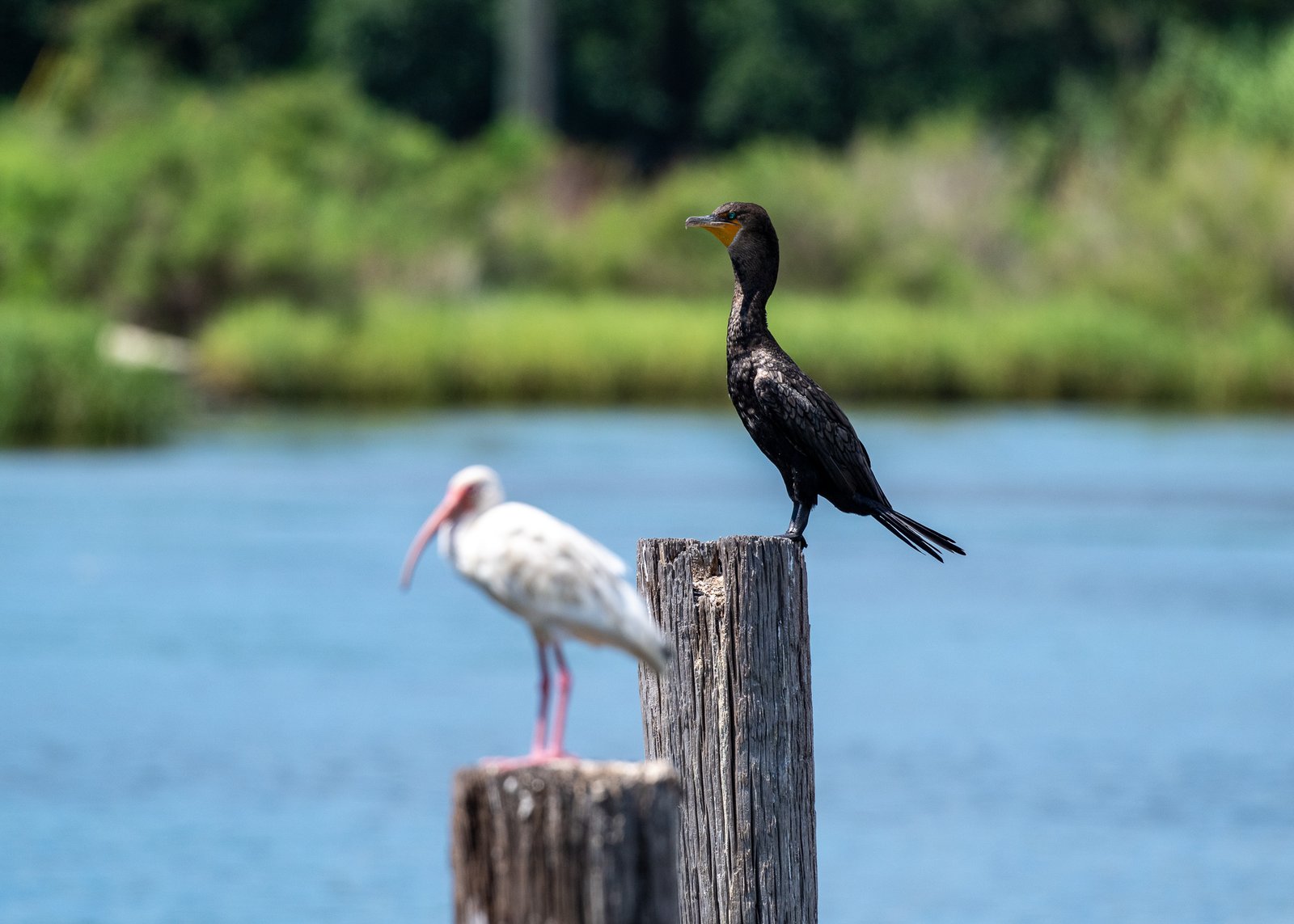
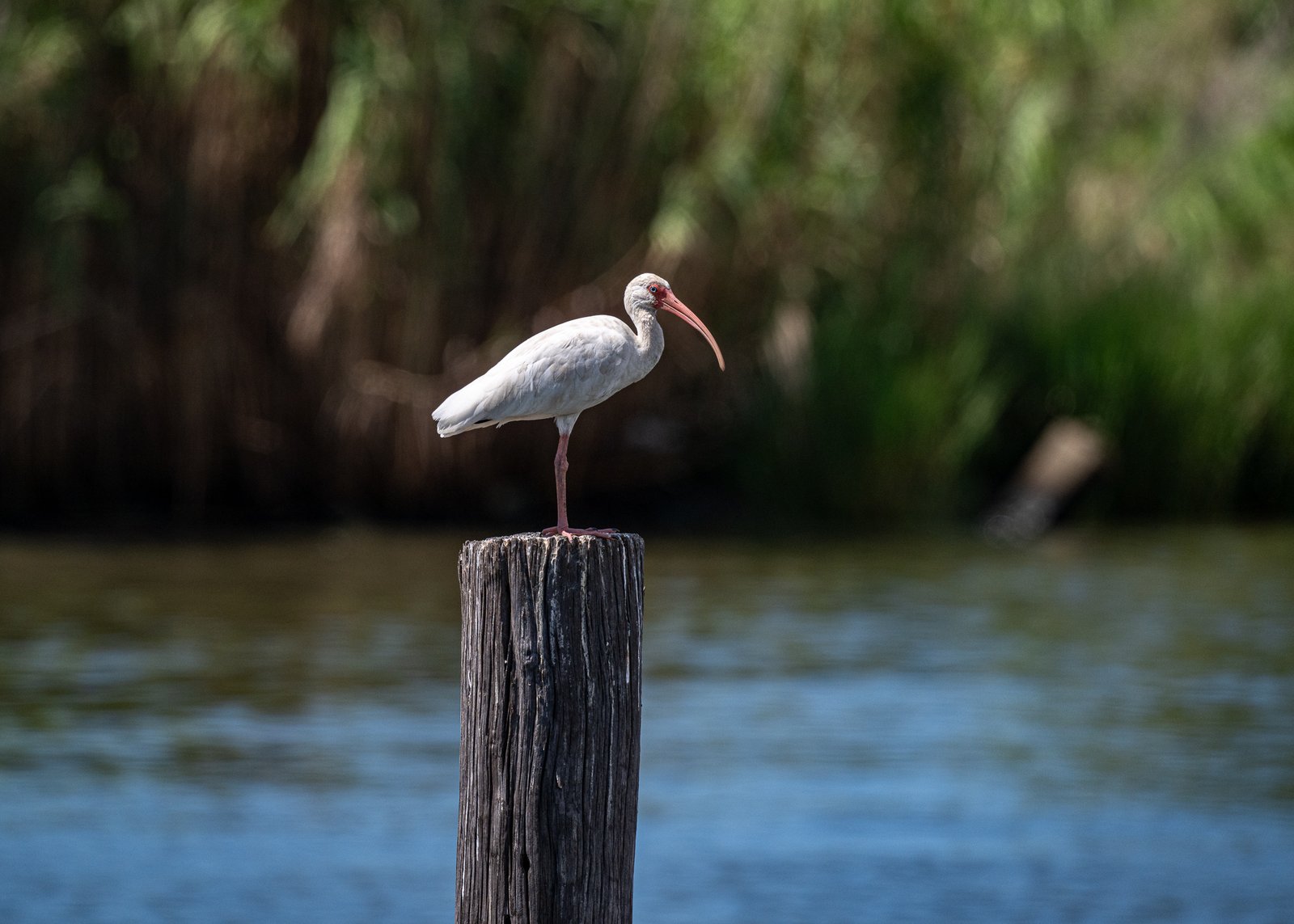


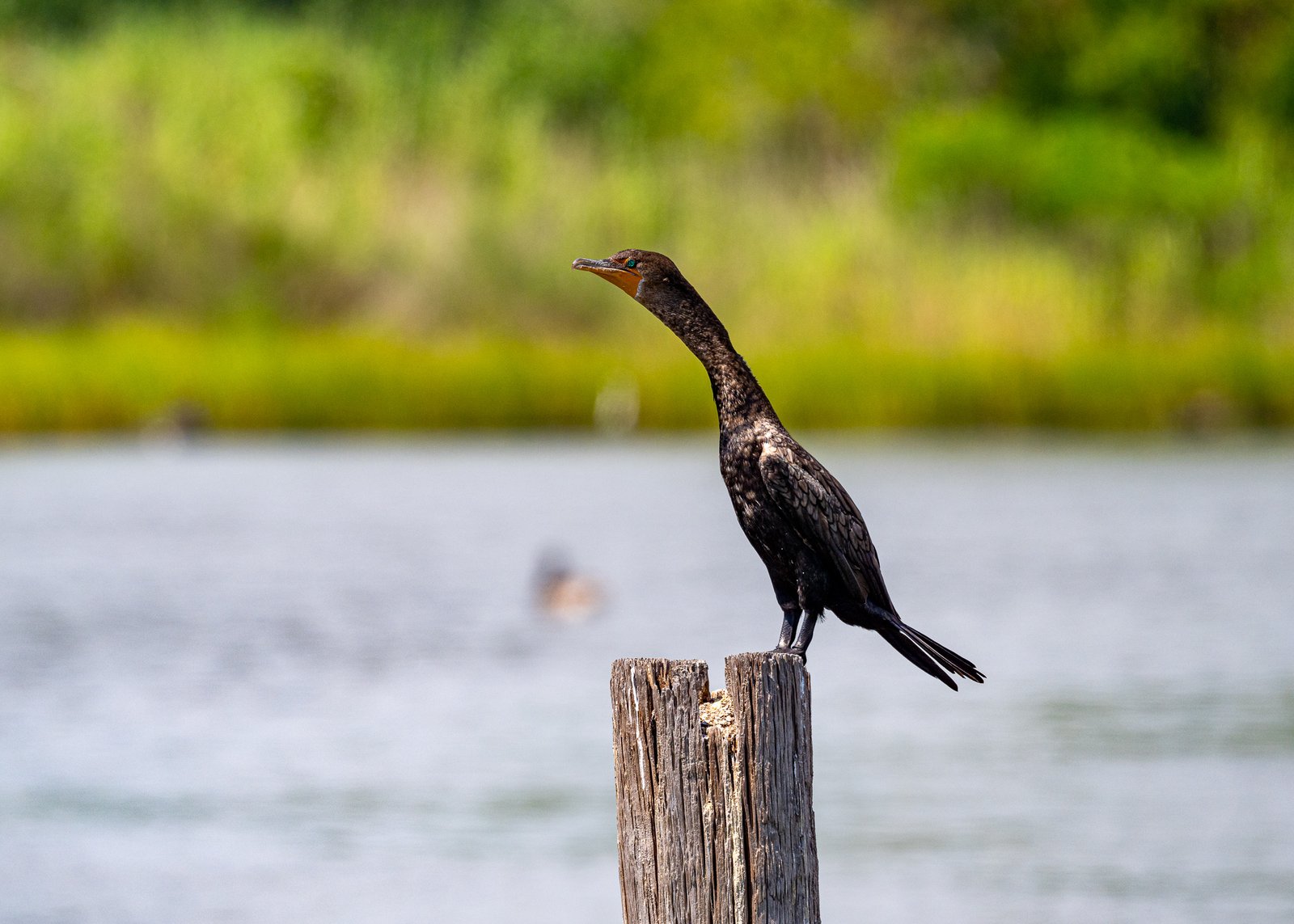
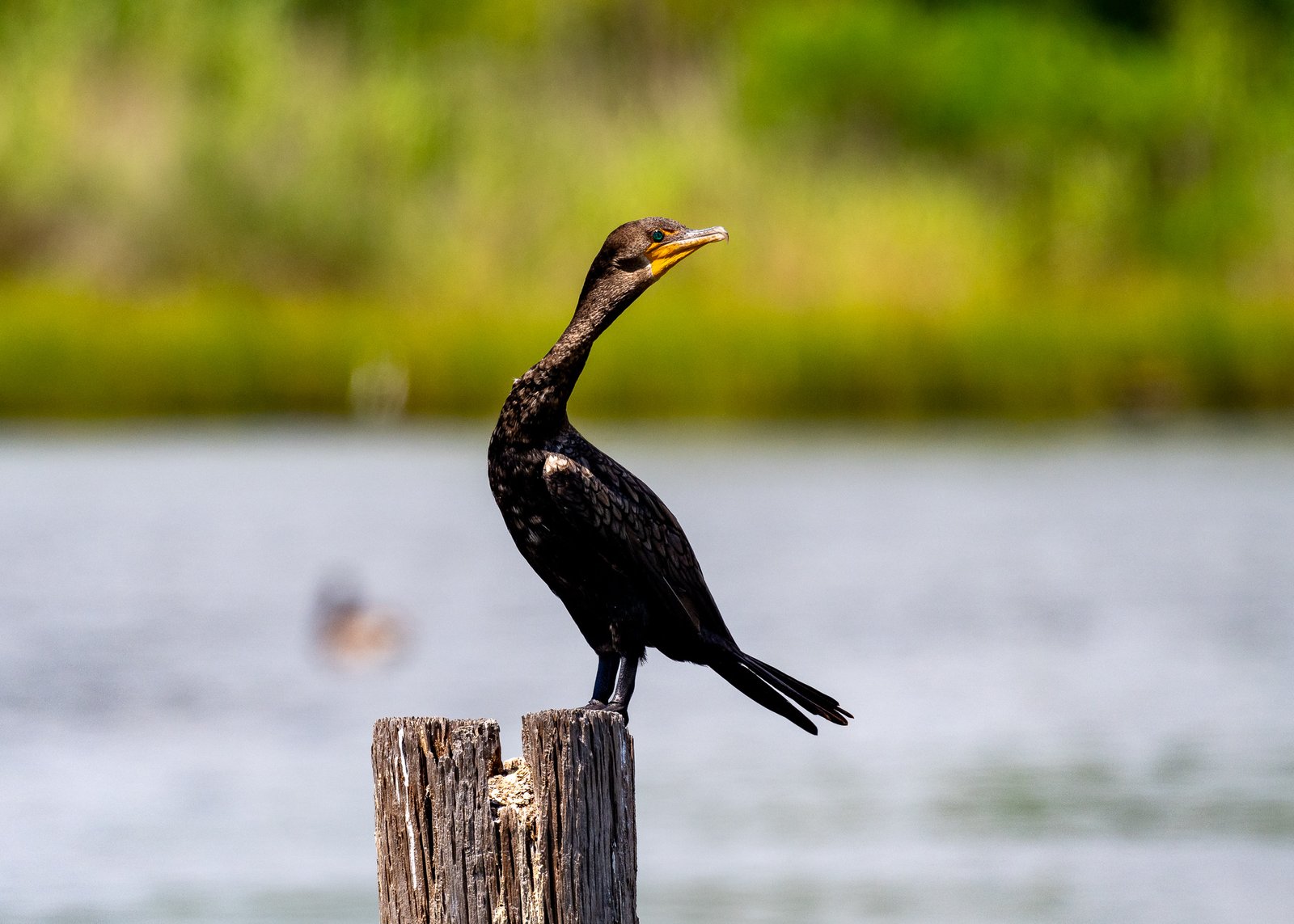


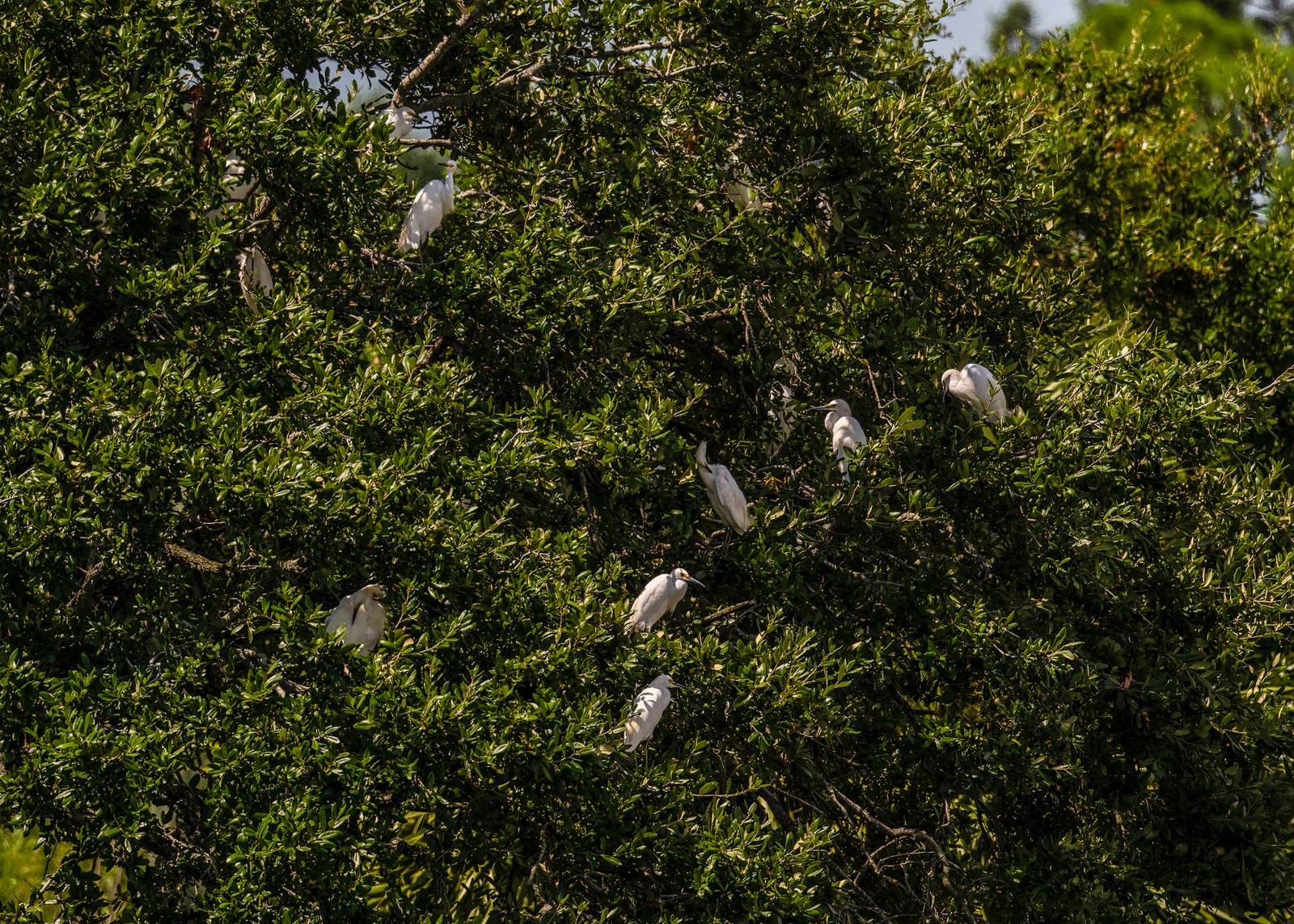
“The earth has music for those who listen.”
William Shakespeare
The Buff-Breasted Sandpiper
The Buff-breasted Sandpiper (Calidris subruficollis) is one of the most delicately beautiful and unique shorebirds in the Americas. Unlike most of its wetland-loving relatives, this slender bird prefers dry, short-grass habitats. It stands out with a warm, buffy tan coloration, a neat scalloped feather pattern on its back, and a distinct round head with large dark eyes that give it a gentle, dove-like appearance. On their High Arctic breeding grounds, males put on a spectacular, ebullient courtship display by raising their wings to reveal bright white linings, pointing their bills to the sky, and puffing out their breasts.
An Epic Long-Distance Migration
This remarkable species is one of North America’s longest-distance migrants, embarking on an annual round-trip journey that exceeds 30,000 kilometers.
- Breeding Grounds: They spend the boreal summer nesting in the high Arctic tundra across Alaska and northern Canada.
- Wintering Grounds: They fly across the Americas to spend the winter foraging in the lush Pampas grasslands of southern South America, spanning Argentina, Uruguay, and Brazil.
- Stopover Habitats: “On migration it typically stops on prairies, fields of short grass, and even dry plowed fields, seemingly odd settings for a shorebird.” — [Audubon Field Guide]. Because much of their historical short-grass prairie habitat has been lost to agriculture, migrating sandpipers now rely heavily on “surrogate” open spaces like sod farms, golf courses, pastures, and airports to rest and refuel.
Current Conservation Status
Once numbering in the hundreds of thousands or even millions, the Buff-breasted Sandpiper suffered catastrophic declines at the turn of the 20th century due to rampant market hunting. While legal protections under the Migratory Bird Treaty Act helped save them from the brink of extinction, their modern population remains precariously low. Partners in Flight estimates a global breeding population of just 56,000 individuals, and the species is categorized globally as Near Threatened on the IUCN Red List.
The 2025 State of the Birds report recently flagged the sandpiper as an Orange Alert Tipping Point species, a stark designation indicating that “it has lost more than 50% of its population in the past 50 years and has shown accelerated declines within the past decade.” — [All About Birds]. Today, their greatest threats include habitat loss from energy development and agricultural expansion, climate change disruptions in the Arctic, and exposure to toxic pesticides along their South American wintering grounds.
Mating
The Buff-breasted Sandpiper stands out among North American shorebirds for its highly unusual and complex lek mating system. Unlike most shorebirds that form monogamous pairs to defend a single territory, these sandpipers gather in a communal performance arena called a lek. In these designated display areas, multiple males congregate tightly together to aggressively compete for the attention of passing females, who visit purely to evaluate the eligible bachelors and choose a mate.
The males’ courtship choreography is an extraordinary, ebullient spectacle of visual signals. To catch a female’s eye, a male will execute a “wing-flash” display, raising one or both wings high into the air to reveal a strikingly bright, silvery-white underside that contrasts sharply with his buff-colored body. He will then puff out his chest, point his bill toward the sky, and rock his body forward while emitting a series of quiet, rhythmic ticking and clicking sounds.
What makes their behavior even more fascinating is the intense rivalry and deception that occurs on the lek. Dominant males aggressively defend tiny display territories just meters apart, frequently engaging in mid-air battles to prove their strength. However, some males employ a sneaker strategy known as “female mimicry.” These submissive males will suppress their dominant displays and adopt the posture of a female, allowing them to quietly infiltrate a dominant male’s territory without triggering a fight, waiting for a stealthy opportunity to mate. Once a female selects a partner, the bond is brief; the male plays no role in choosing a nest site, incubating the eggs, or raising the chicks, leaving the female to handle all parental duties alone in the Arctic tundra.