June 9, 2026
If Iran agrees to reopen the Strait of Hormuz, a return to normal shipping will not happen overnight. Even with a diplomatic breakthrough, the global energy supply chain will take months to normalize — and retail gas prices will experience a slow, frustrating decline rather than a sudden drop.
A full return to normal operations requires navigating three distinct phases: security clearance, technical recovery, and a staggered financial correction.
Phase 1: What It Will Take to Reopen
A simple declaration of “open for business” from Tehran will not convince commercial fleets to re-enter the Persian Gulf. Before ships flow freely, several conditions must be met.
Mine Clearance and Safety Verification: Iran has published a map showing portions of the Strait that it has mined. A multinational mine-clearance effort led by specialized naval forces will be required to map and sweep safe transit lanes before commercial operators will risk sending vessels through.
Removal of Dual Blockades: Reopening requires mutual withdrawal. Iran must drop its checkpoint regime, while the U.S. must lift the counter-blockade it imposed on ships seeking to reach Iranian ports in April. Currently both sides are using the Strait as leverage in Pakistan-mediated negotiations.
The Return of Maritime Insurance: Lloyd’s of London and global marine underwriters have designated the Strait a maximum-risk zone and largely withdrawn war-risk coverage. Insurers will demand legally binding commitments to freedom of navigation from both Washington and Tehran before reinstating affordable policies. Without insurance, commercial operators will not send ships through regardless of what governments declare.
Phase 2: Getting Back to Normal
Once the waterway is deemed physically safe, a massive logistical backlog must be untangled.
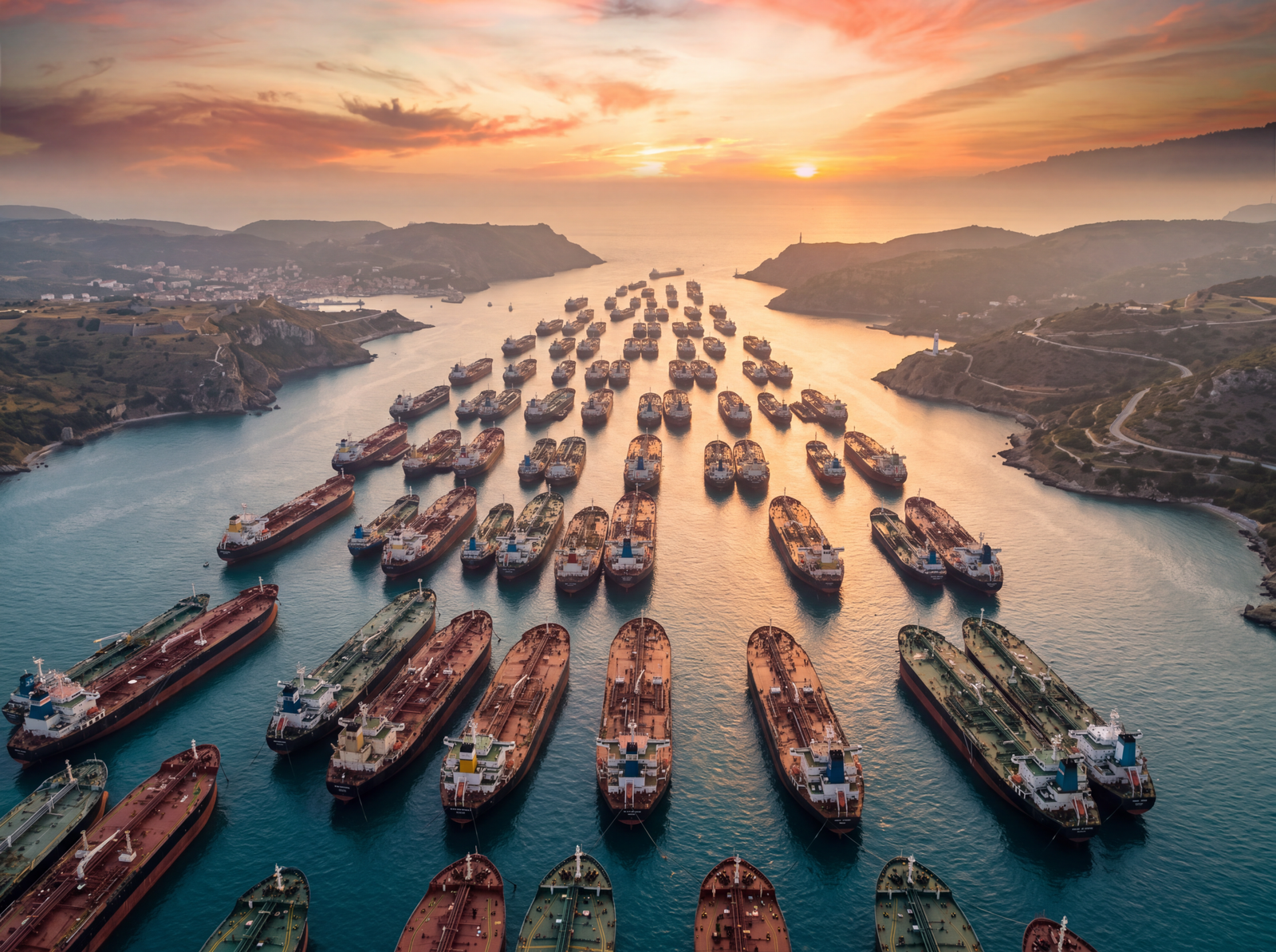
Clearing the Tanker Traffic Jam: Vessel transits are currently more than 90% below normal. Hundreds of crude oil and LNG tankers are backlogged on either side of the Strait. Safely scheduling and sequencing these vessels through the navigable channel — just two miles wide in each direction — will take at least two to three weeks of intense maritime traffic management.
Restarting Idled Oil Fields: Across Saudi Arabia, Iraq, Kuwait, and the UAE, countries were forced to choke back or completely shut down production because onshore storage filled to capacity when exports stopped. Safely restarting pressurized wells and stabilizing production to pre-crisis levels takes two to three months.
Repairing Infrastructure Damage: Reopening the channel does not instantly repair the physical damage from the conflict. The closure has already cut more than 10 billion cubic feet per day of global LNG supplies — roughly 20% of the world total — mostly from Qatar’s Ras Laffan export facility, the world’s largest LNG terminal. Engineers project it will take three to five years to fully restore that capacity. Damaged refineries supplying Europe’s jet fuel face months of reconstruction as well.
Phase 3: What Happens to Gas Prices
Oil markets will celebrate a diplomatic breakthrough immediately. Consumers at the pump will feel the effect considerably later.
Ceasefire Signed → Oil Futures Drop Instantly → Refinery & Shipping Lag (6–8 Weeks) → Slow, Gradual Drop at the Pump
International crude benchmarks like Brent and WTI will likely drop $5 to $10 per barrel the moment a deal is signed as the panic premium leaves the market. However, because of the prolonged supply deficit and infrastructure damage, analysts project oil will maintain a high baseline through the remainder of the year — potentially ranging from $90 to over $110 per barrel depending on how quickly physical volumes recover.
Retail gasoline prices take weeks to reflect falling crude costs. Refineries must first purchase the cheaper oil, process it, and distribute it to local stations. Because physical volumes through the Strait will remain constrained during the normalization window, fuel supplies will stay tight well into the summer. Consumers should expect a slow, incremental downward drift — not a dramatic crash — with prices remaining notably higher than pre-war levels for the foreseeable future.
Where Do We Go From Here?
The Strait of Hormuz crisis didn’t create our dependence on oil — it simply made it impossible to ignore. The next question is harder and more important: what would it actually take to change that? That is where this series goes next.
Thanks for your perspective on this Rich. I appreciate the research that you’ve put into it. I think I’m going to start riding my bike in to work!
Hey brother, good hearing from you. I am fascinated with this process learning a lot and with my team of AI’s it is so quick, efficient, and easy to check and cross check. Love to you and Robin