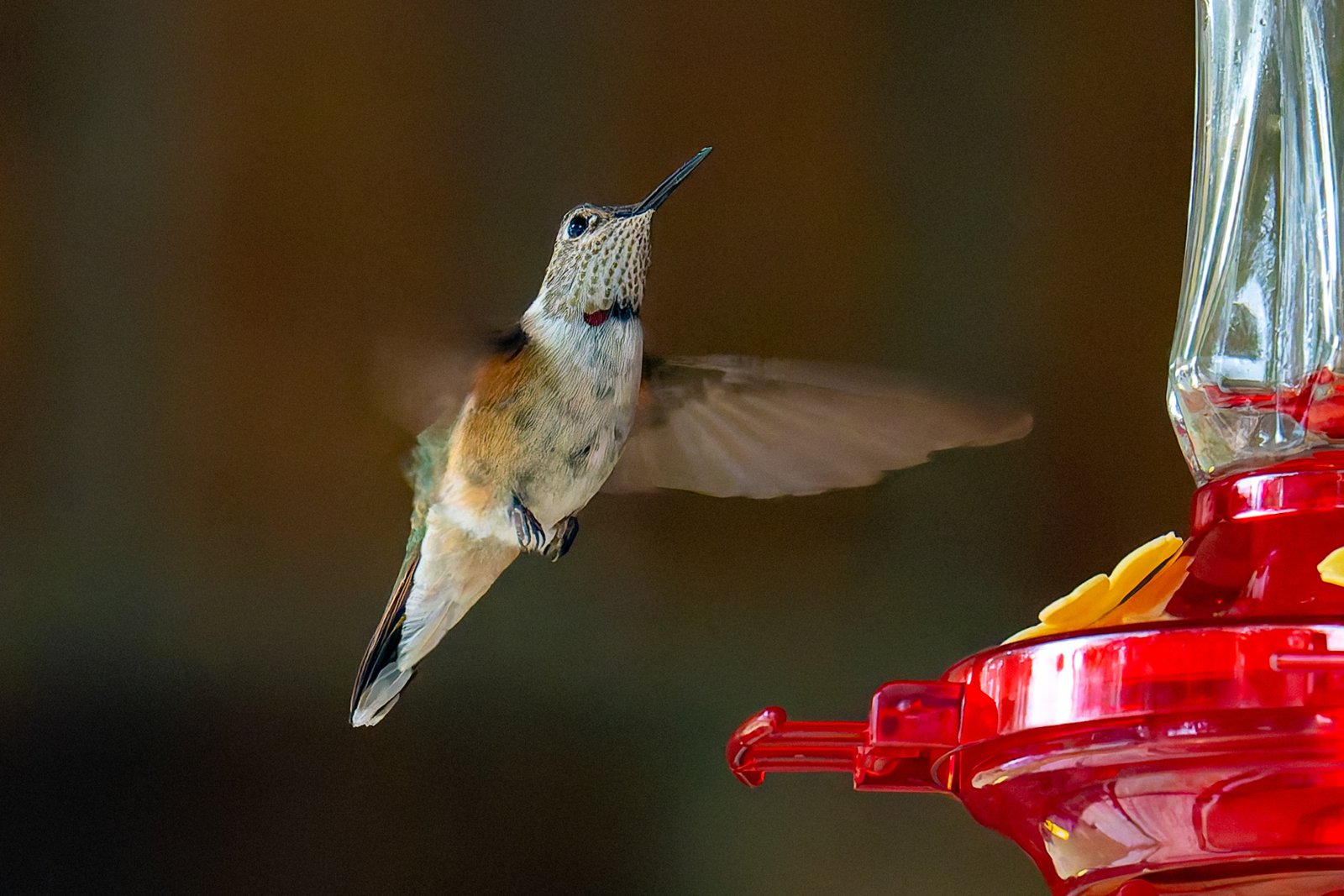
Who is the Broad-tailed Hummingbird
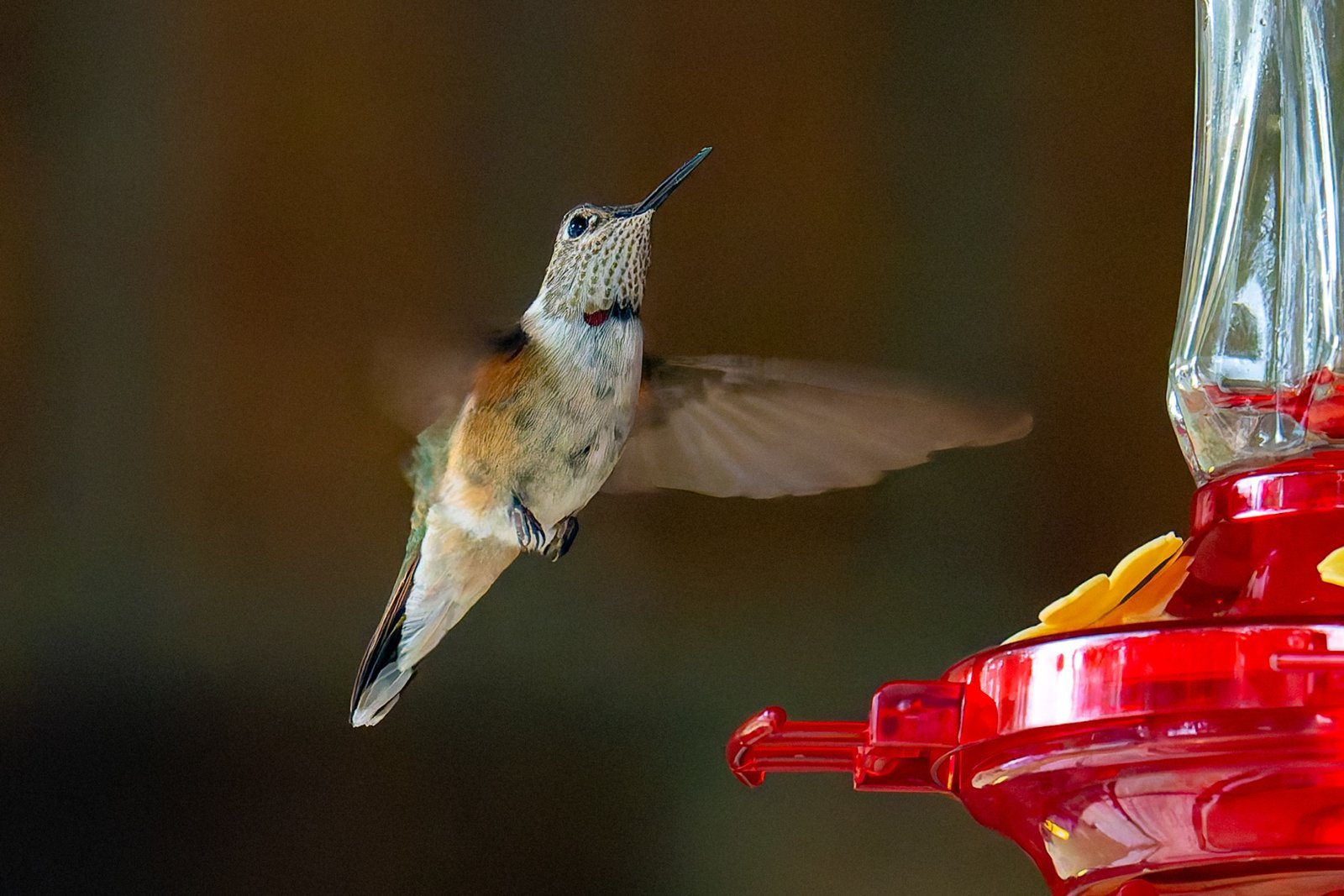
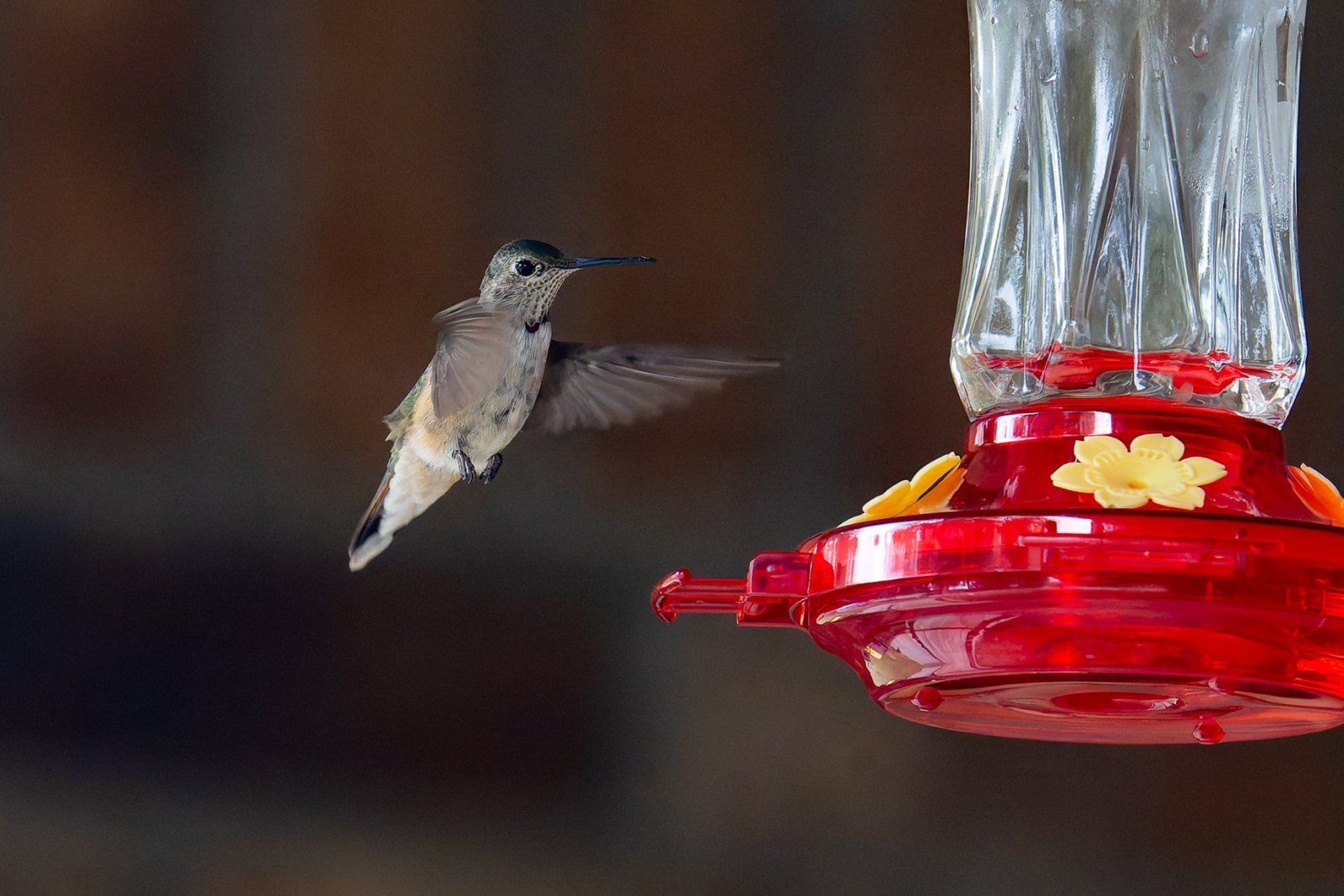
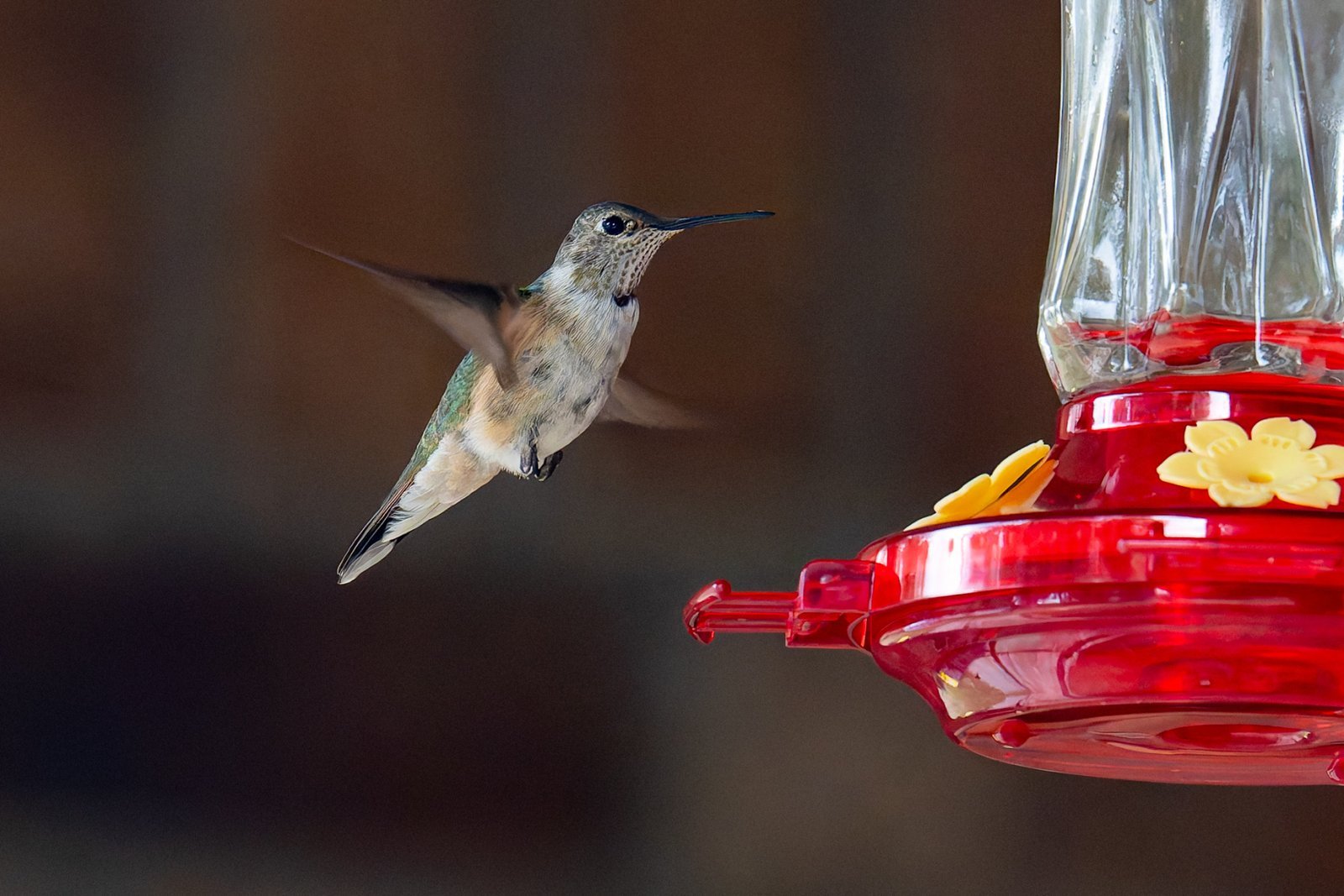
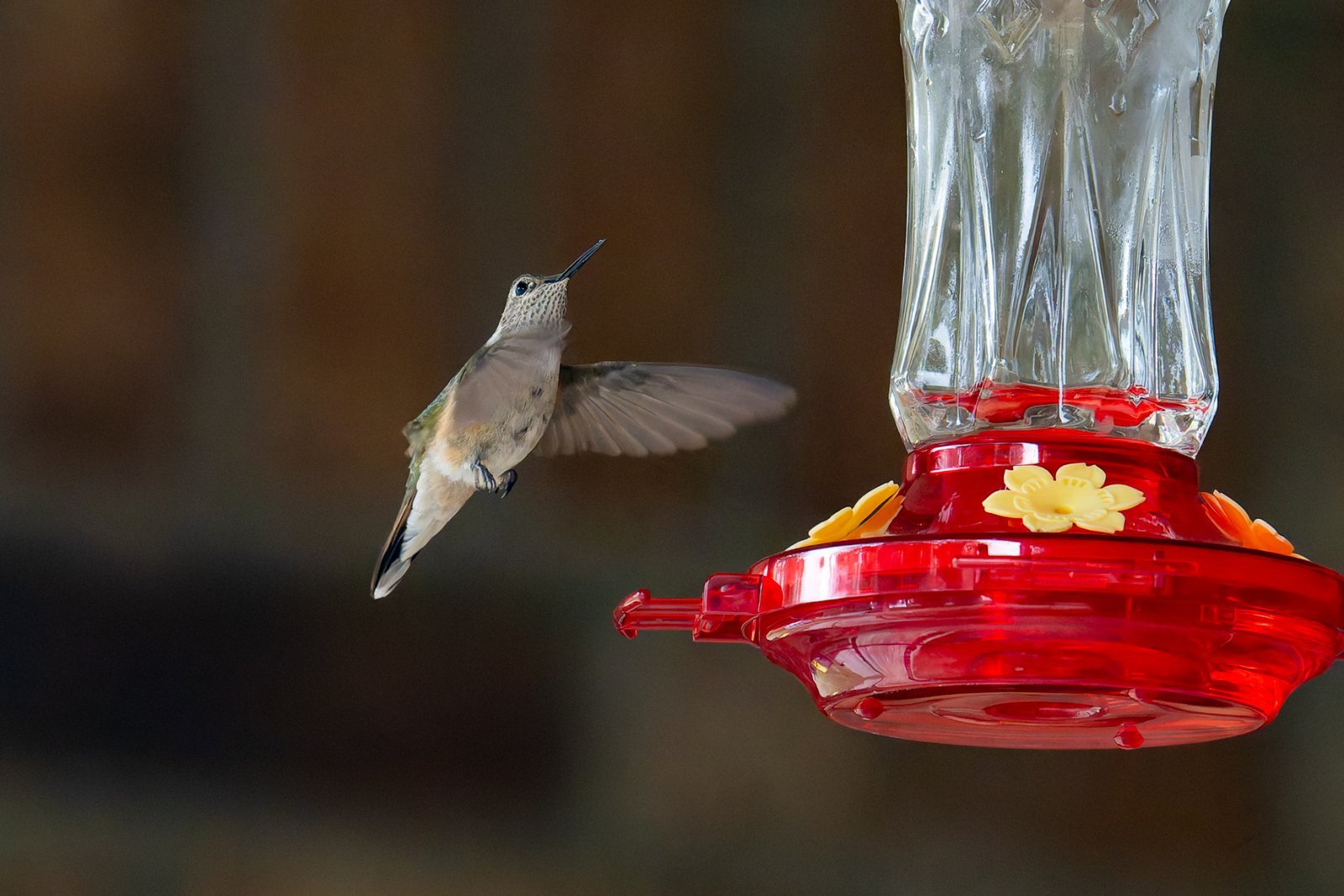
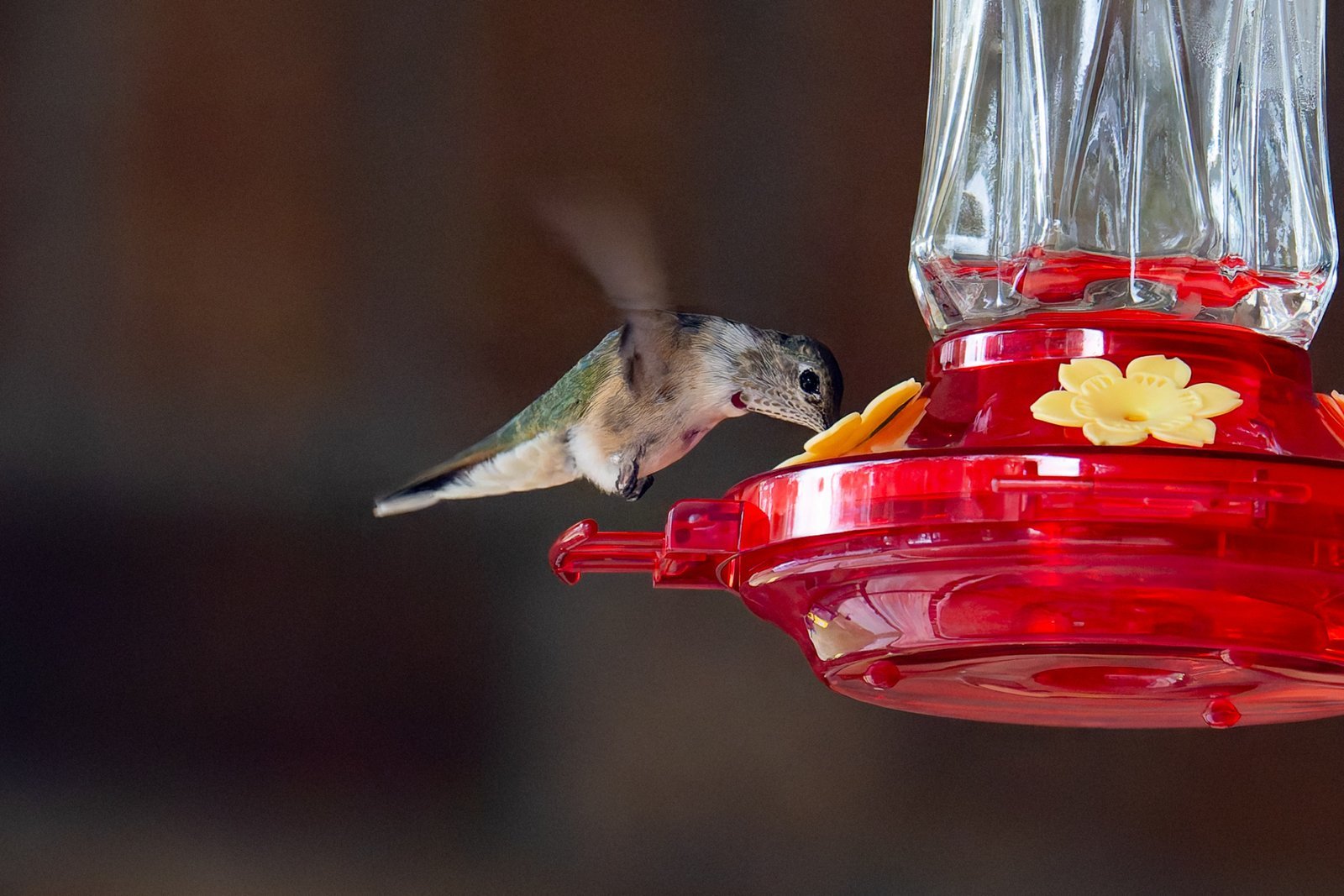
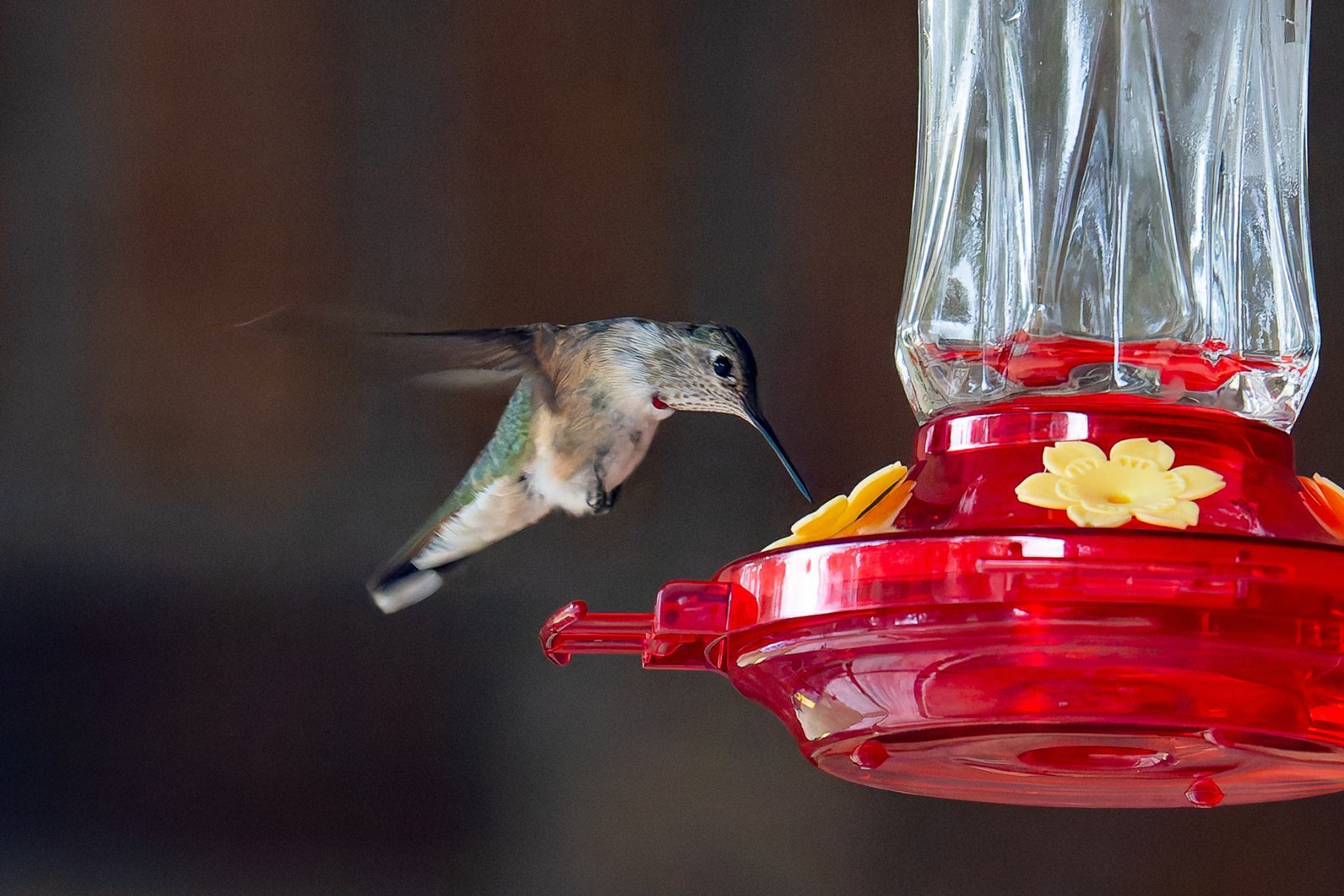
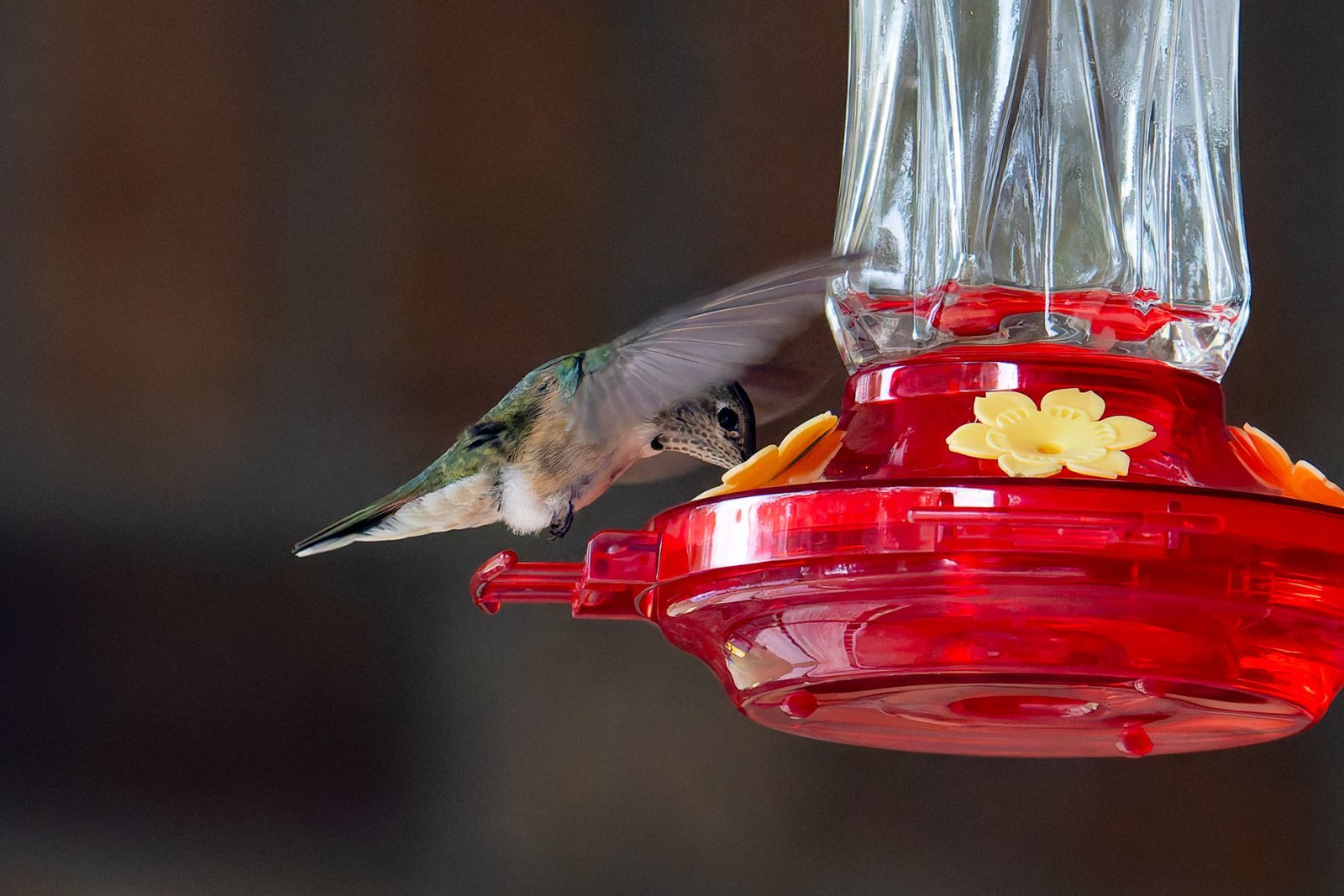
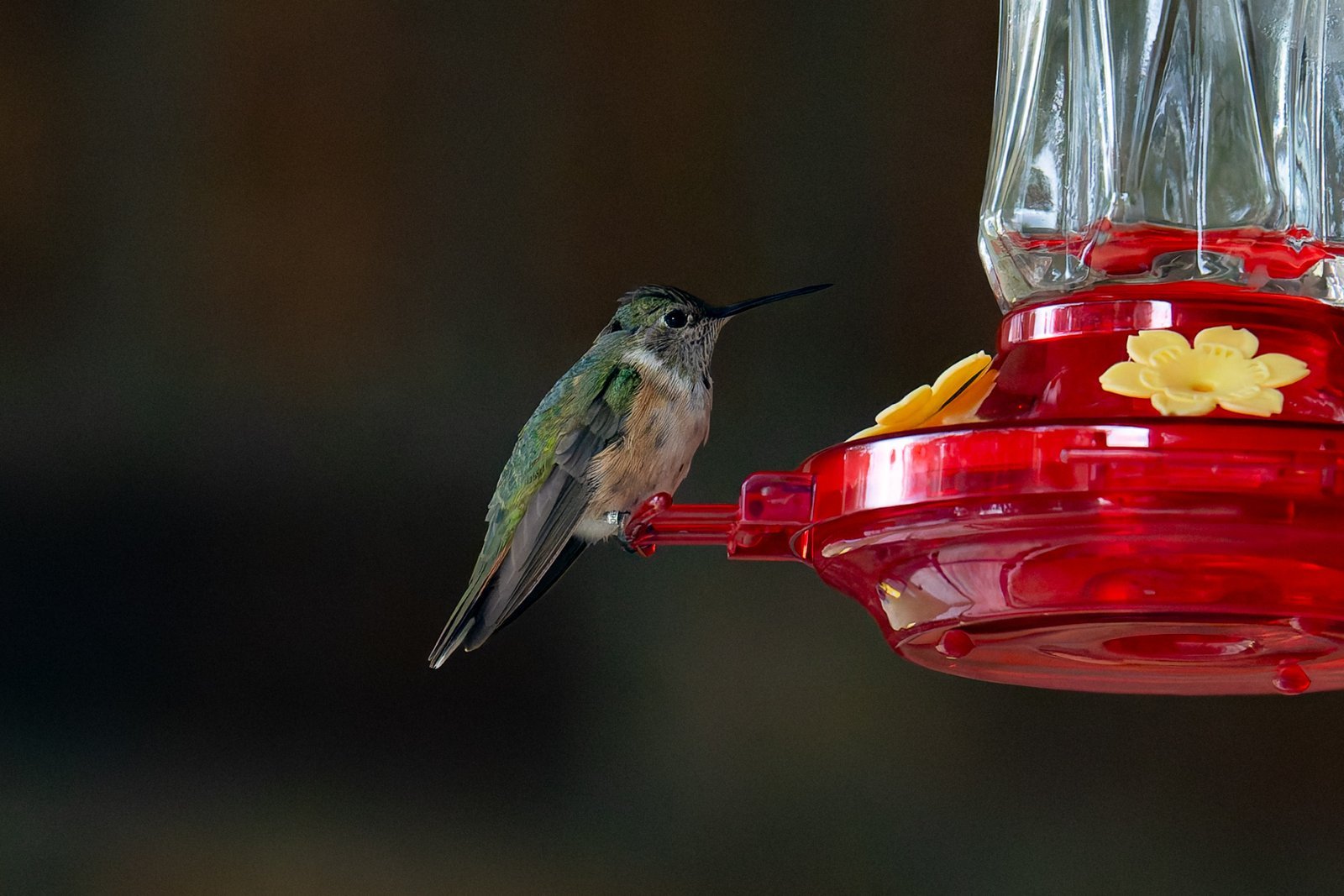
Meet the Broad-tailed Hummingbird (Selasphorus platycercus) — a hummingbird built for mountain meadows, pine-oak woods, and high-altitude life. Think of a small, sleek “zoom-bird” with glossy green upperparts and a long tail that sticks out even when perched.
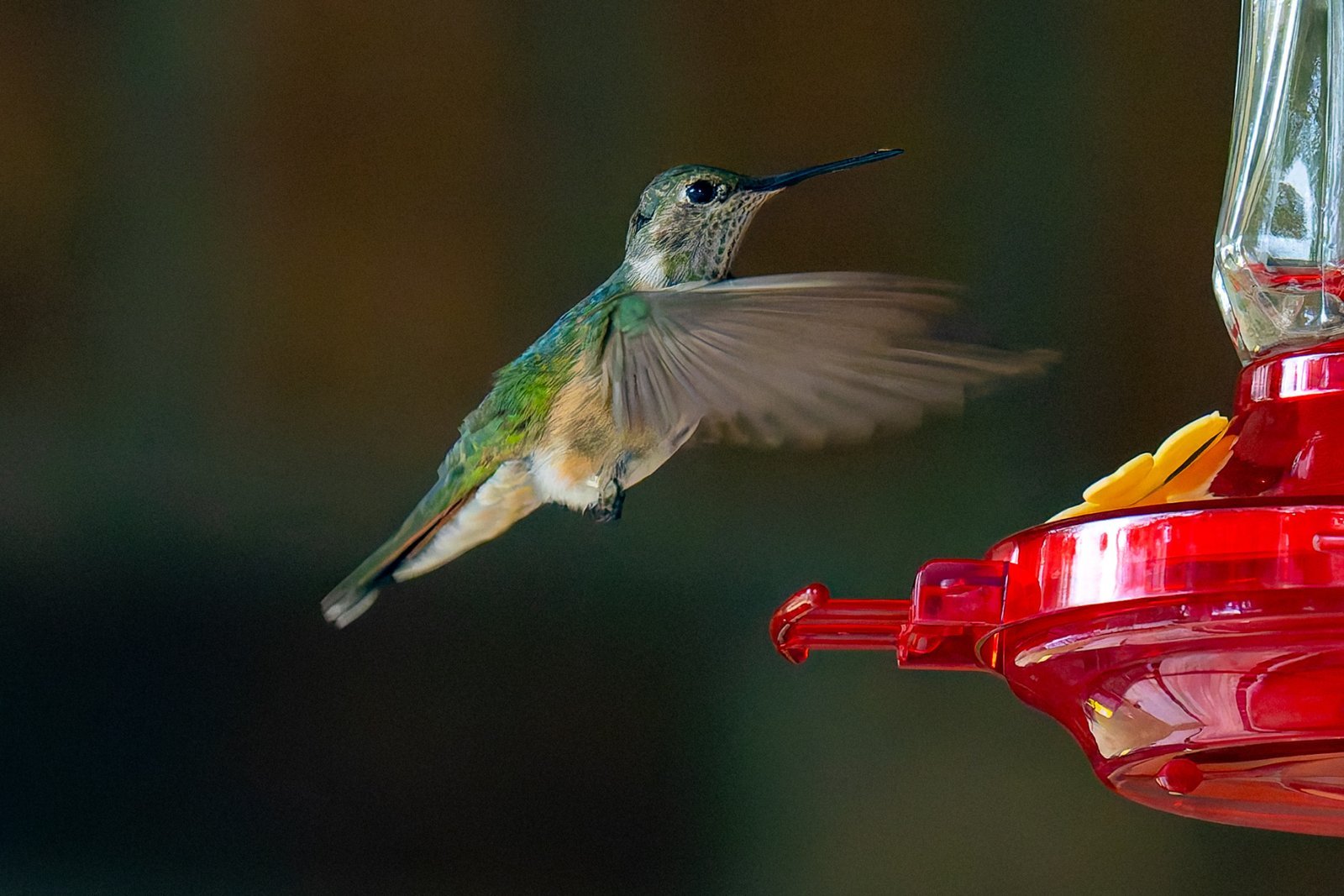
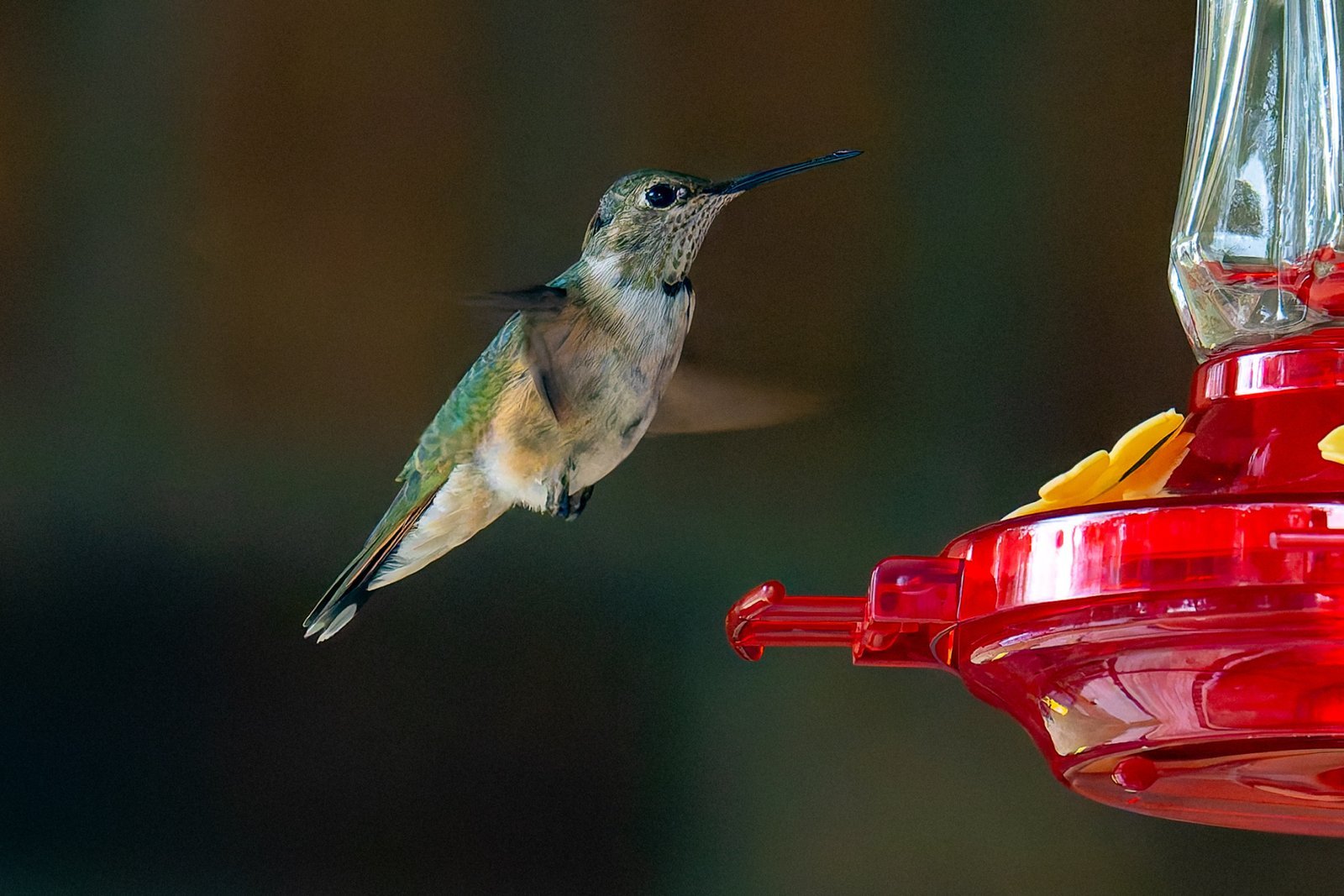
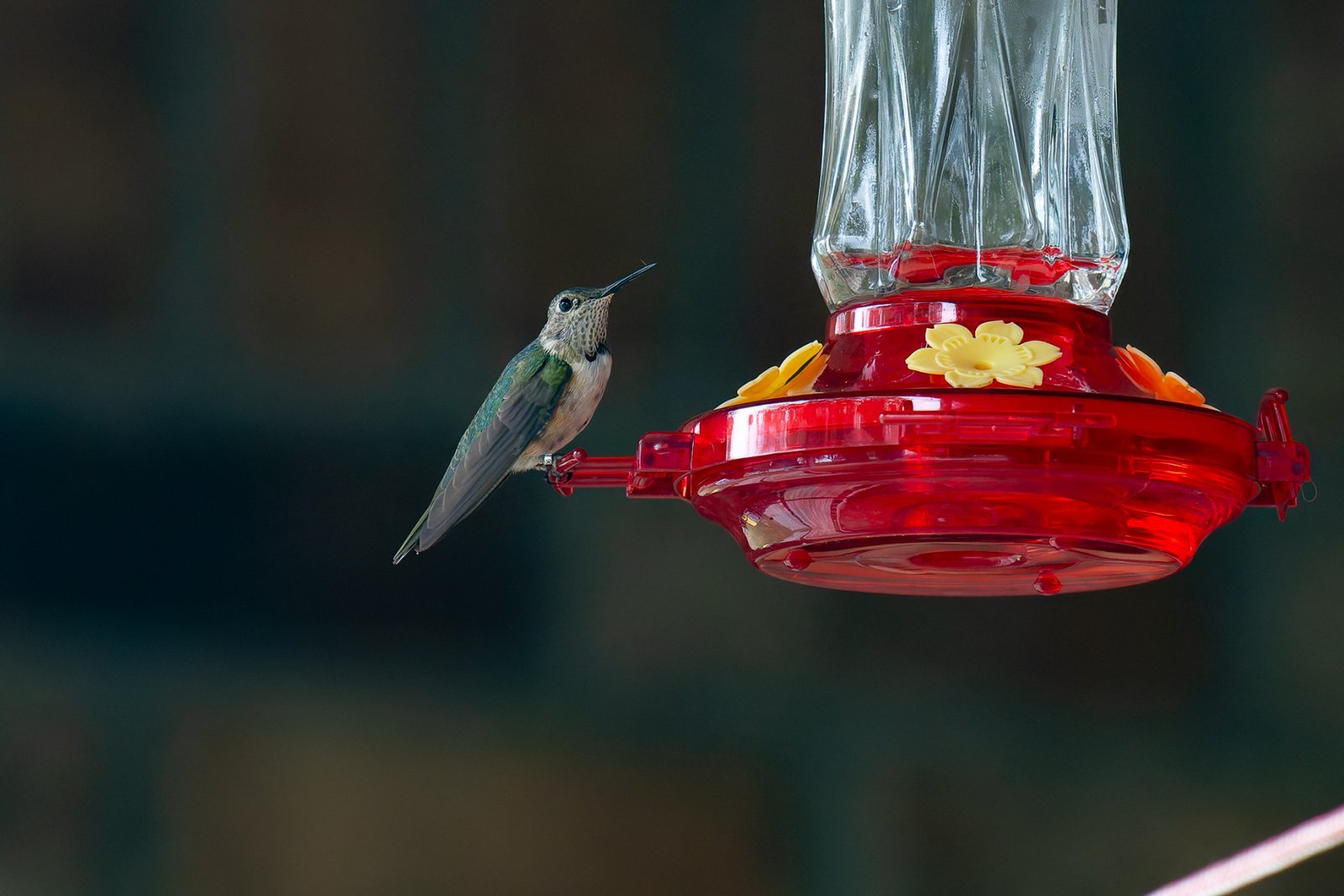
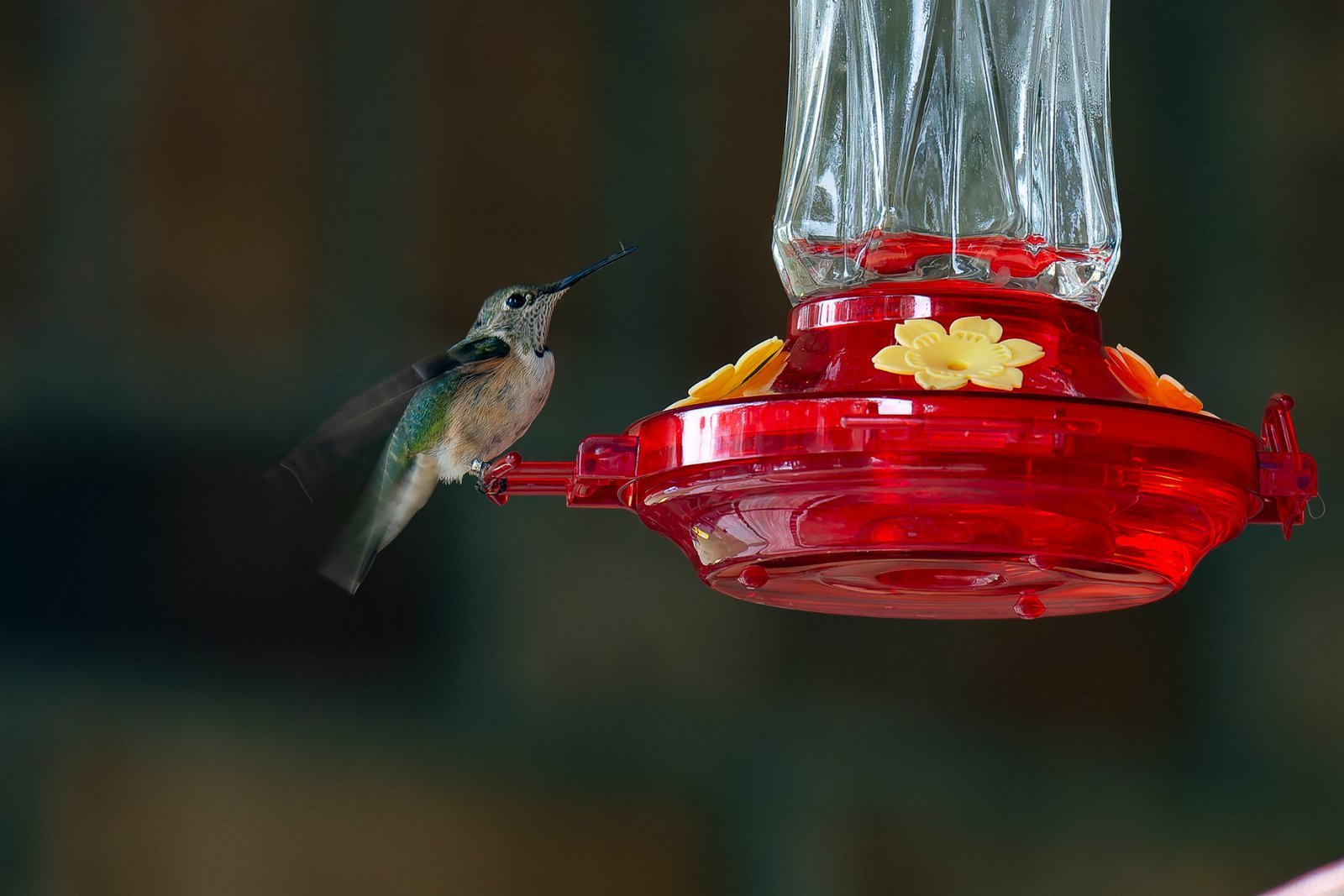
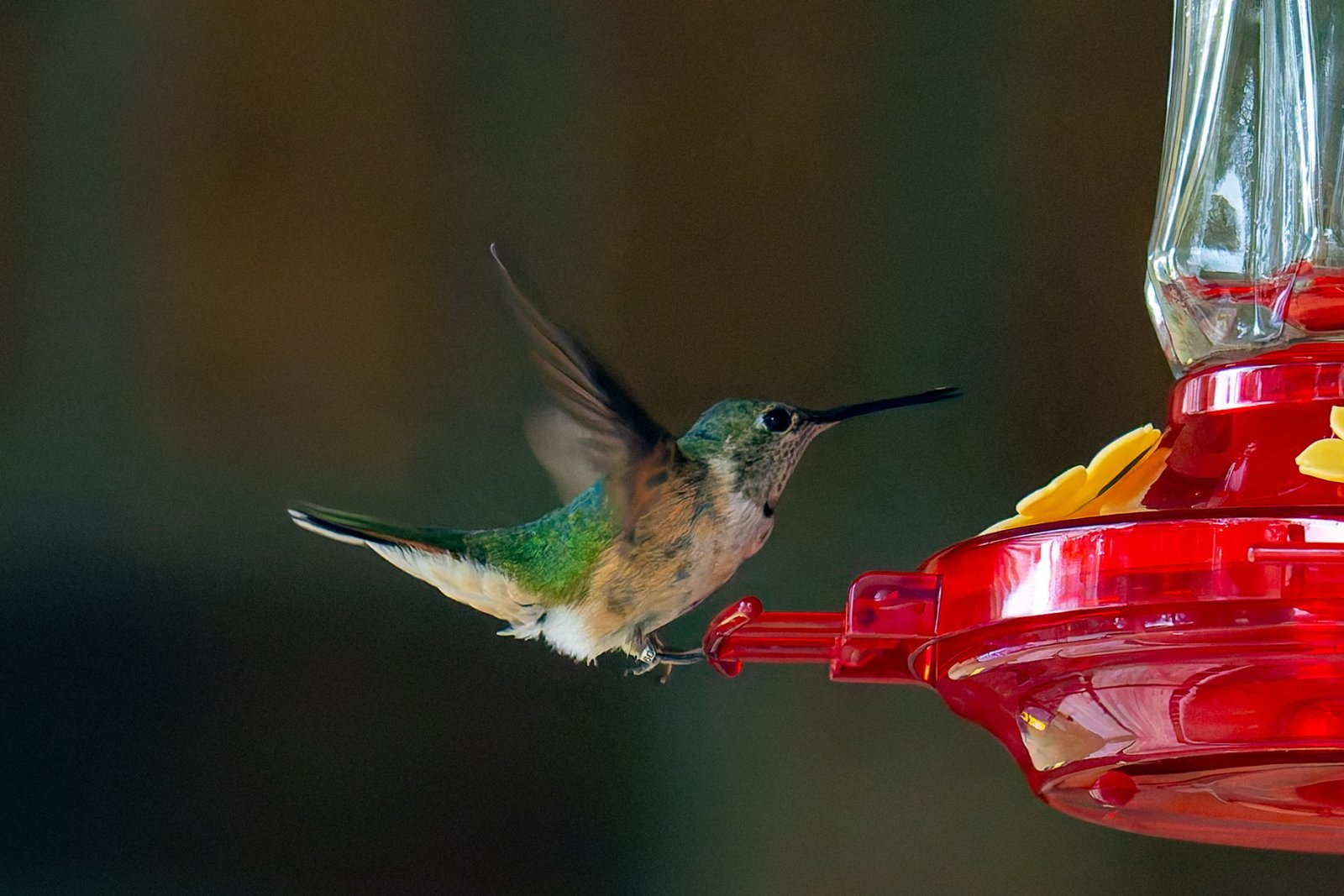
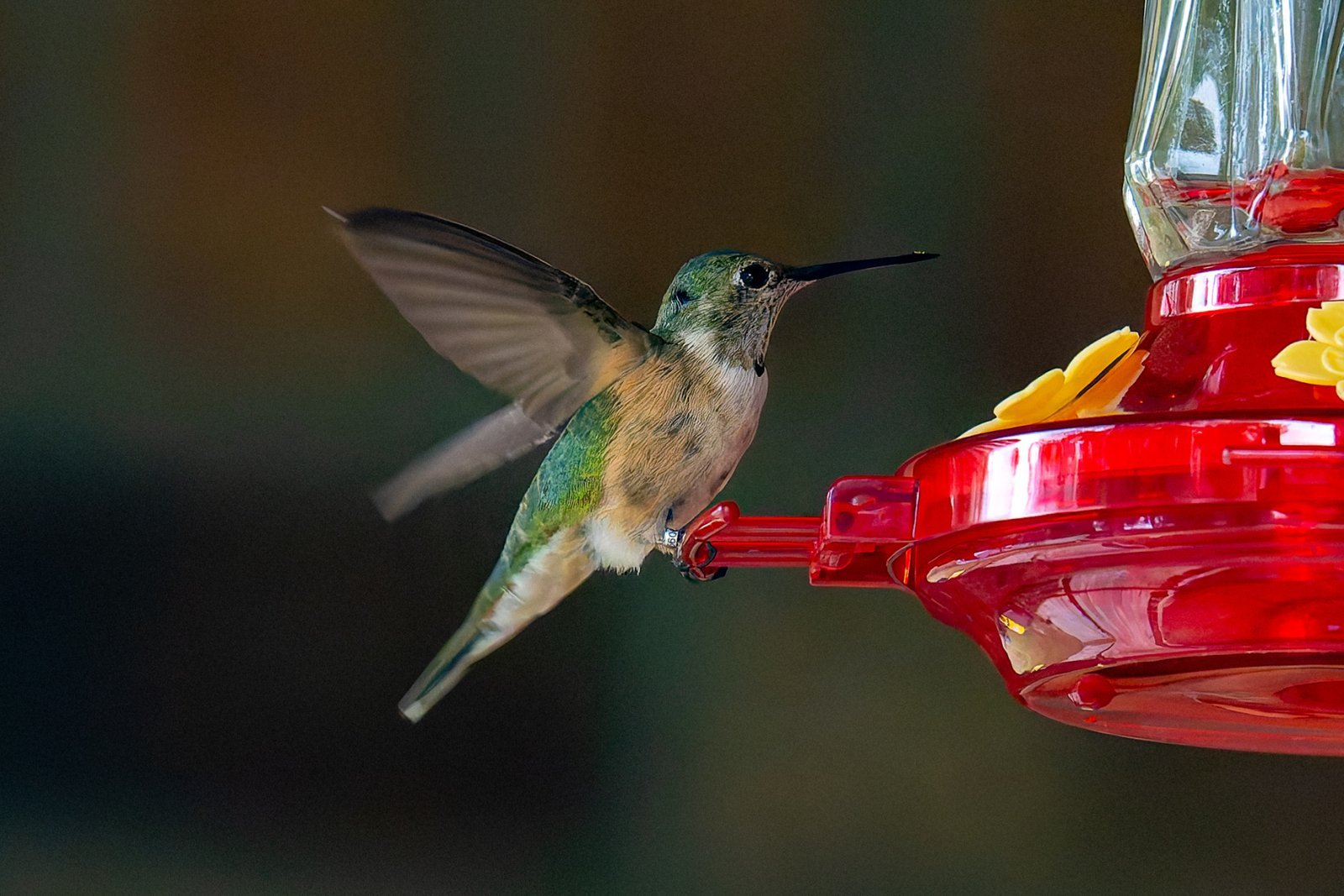
- Sexual dimorphism shows up in color. The male sports a shimmering rose-to-magenta throat patch (a “gorget”) that flashes in the sunlight, while the female is more understated — green on top, buffy or cinnamon on the flanks, with subtle spots or speckles on her cheeks and throat.
- Size and shape: Roughly 4 inches long, with a wingspan around 5.25 inches. Slender body, big head, long straight bill, and a long tail.
- Where they live and move: In summer they breed in mountainous regions of western North America — subalpine meadows, juniper or pine-oak woodlands, forests near clearings. When winter comes, many migrate down to Central Mexico or Guatemala; some Mexican populations stay year-round.
What makes Broad-tailed Hummingbirds special
- Wing-trill & aerial displays: Males often perform a dramatic courtship and territorial display — climbing high, hovering, then diving with a loud buzzing from their wings. That “wing trill” is characteristic, and helps identify them even if you don’t see color details.
- Nests fit for the high country: Females build delicate little cup nests of plant down and spider silk under overhanging branches, often camouflaged with lichen and bark fragments. They lay two eggs, incubate them alone for 16–19 days — and the chicks fledge a few weeks later. Males take no part in nest building or raising young.
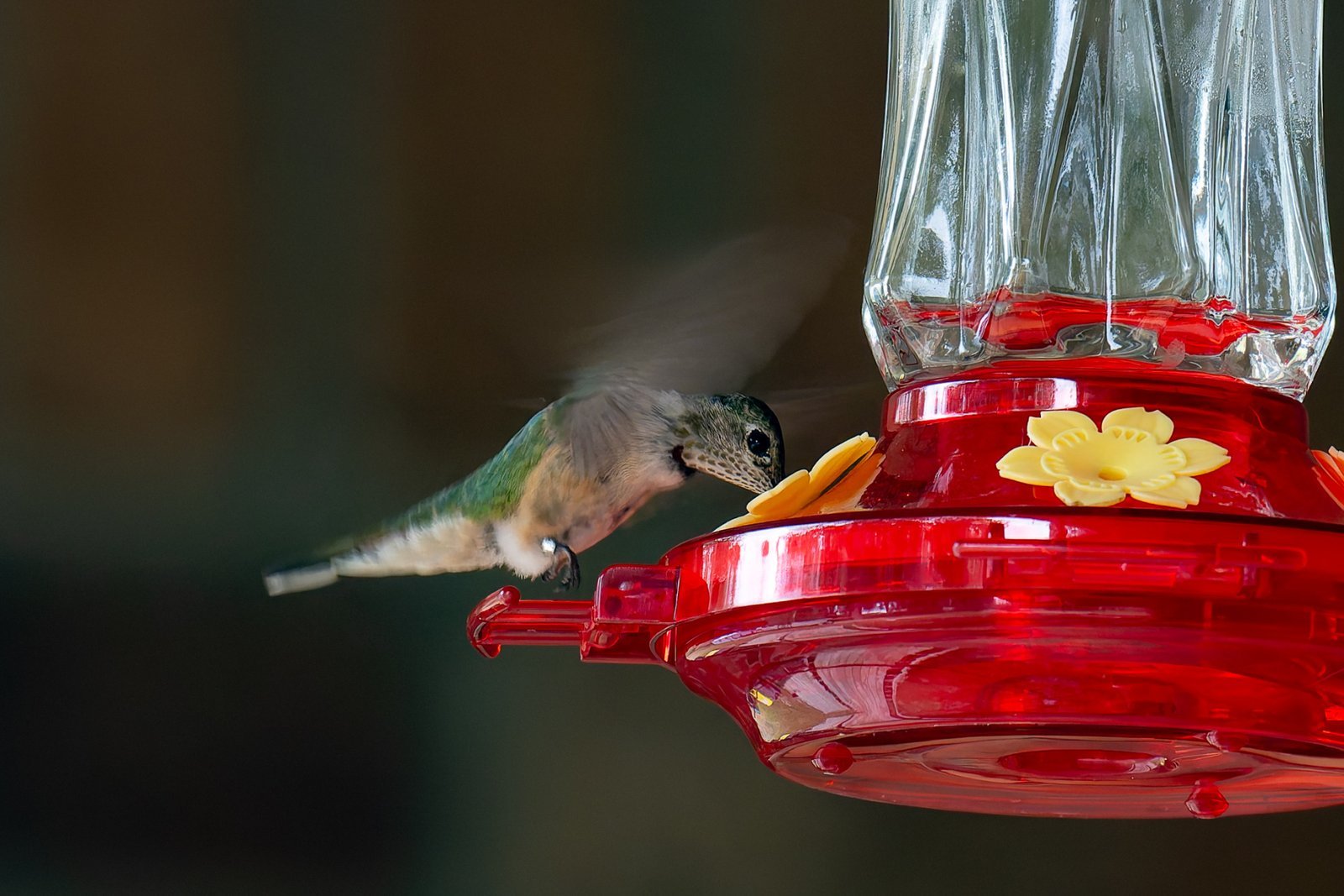
- Feeding & pollination: They feed mainly on nectar from tubular, “hummingbird-friendly” flowers — often red or bright — and also catch tiny insects for protein, especially during nesting season. That makes them important pollinators for many meadow and woodland plants.
- Surviving nights high in the mountains: Because they nest at high altitudes with cold nights, females may enter a state of torpor to conserve energy when roosting — a graceful adaptation to a harsh environment.
Good Sources for Further Reading
“Broad-tailed Hummingbird (Selasphorus platycercus)” species overview from the Texas Breeding Bird Atlas / TBBA project. https://txtbba.tamu.edu/species-accounts/broad-tailed-hummingbird/Write Your Story Here
“Broad-tailed Hummingbird — Species Account” at the Cornell Lab of Ornithology / All About Birds site. https://www.allaboutbirds.org/guide/Broad-tailed_Hummingbird/id All About Birds+1
“Broad-tailed Hummingbird” entry on the Audubon Society Field Guide. https://www.audubon.org/field-guide/bird/broad-tailed-hummingbird Audubon+1
“Look deep into nature, and then you will understand everything better.”
Albert Einstein
Click any image to view full size and browse the gallery.
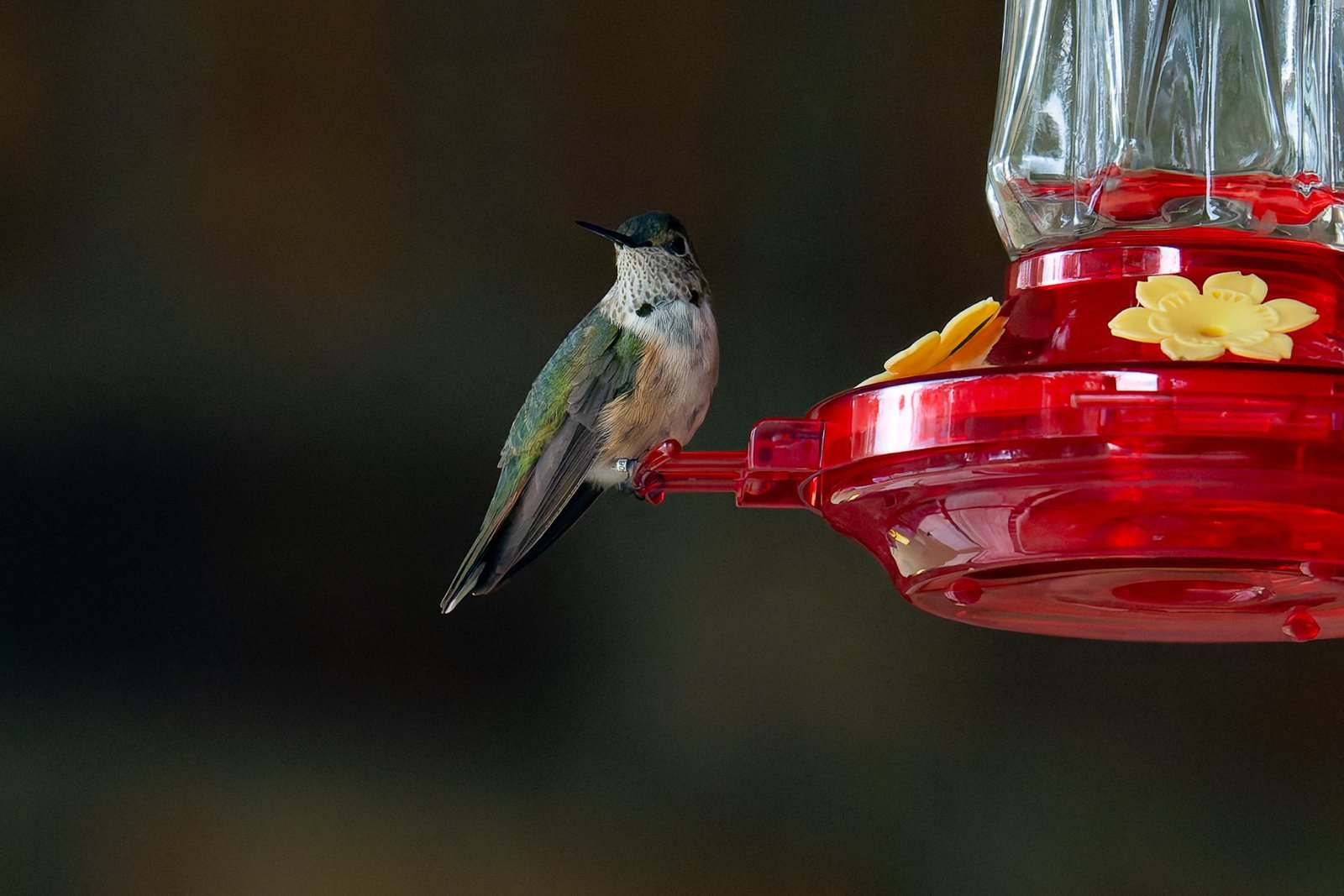
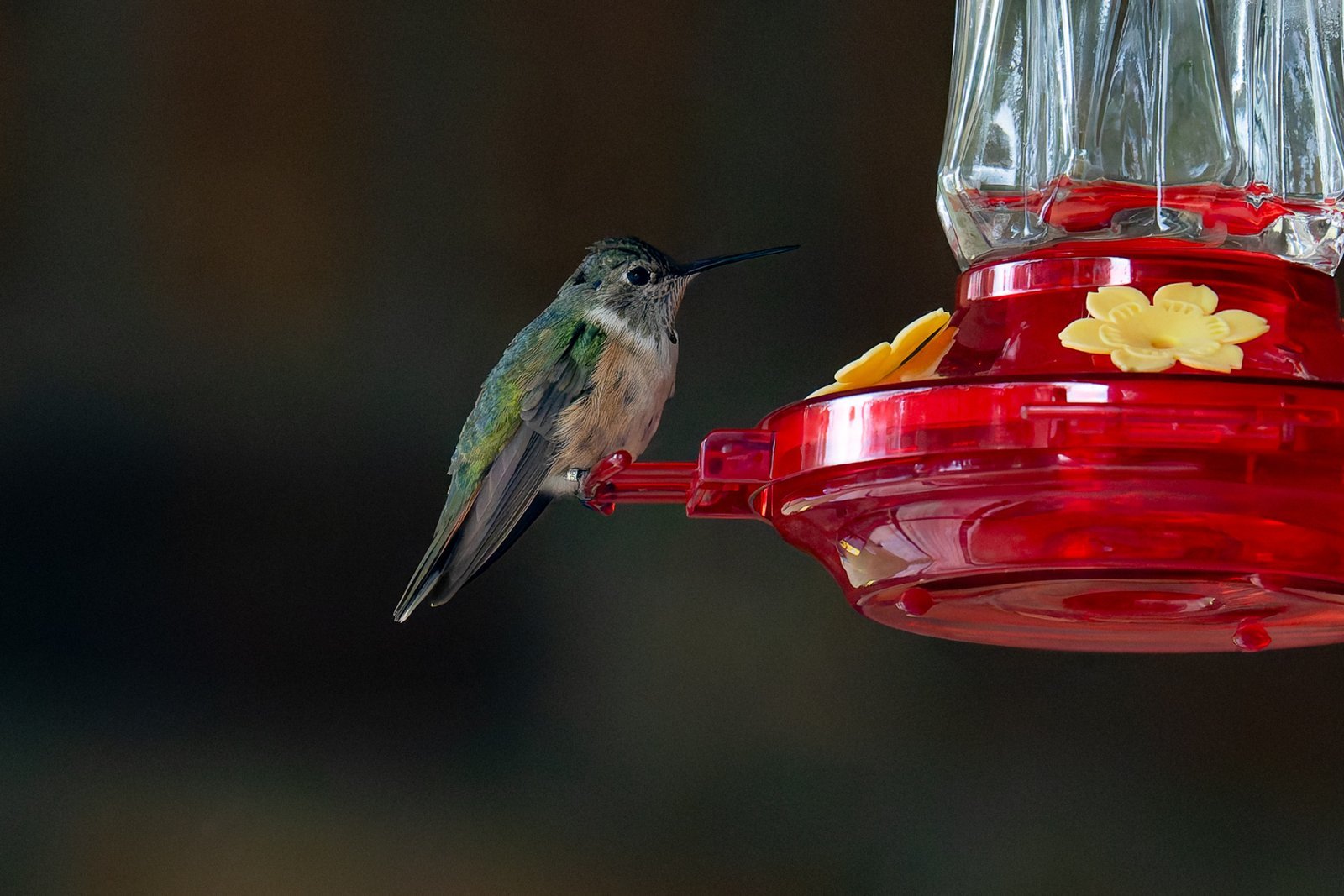
Great pics
Thanks, David!!
Stunning pictures of Percy!! How or why did he get tagged? Just wondering, as I love birds but have not come to a time in my life where I have been a birder.
How did you get the band on?
Lovely!
It’s amazing to me that he stuck around after the banding/blood work!
I agree, but it did not seem to phase him at all.
Just beautiful! I hope he moves on b4 the next freeze!